7-Day Meal Plan For Gastritis: Balancing Nutrition and Gastritis
Do you often experience gnawing and burning sensations in your abdomen, particularly in the upper stomach portion? This could be a visible sign of gastritis.
Many people consider taking antibiotics, antacids, painkillers, or traditional home remedies for gastritis, but it usually won’t go with that or have short-term relief.
The problem here differs from the treatment method you’re using to cope with your condition; the problem is your eating plans and dietary choices. For instance, you take your antacids properly on time, but what if you drink soda with it, sugar tea, or junk food? These food choices will increase your stomach distress and raise the inflammation of the stomach lining, which could further cause gastritis symptoms, no matter if you were on gastritis medicine.
So, careful dietary choices and food options are needed for gastritis treatment. It is usually recommended to include high fiber, high protein, and healthy fats, and avoid junk, spicy, high fat, and fried foods for gastritis.
Here we come up with a 7 day meal plan for gastritis which you can combine with your improved healthy lifestyle and medication (in case you’re on gastritis medicines) and get rid of this life-disturbing condition for a long time.
7-Day Meal Plan For Gastritis
The Gastritis diet plan and food choices should be very gentle on the stomach, which allows better digestion and does not erode the stomach’s lining. Below is the 7 days diet plan, which includes the meals option well-tolerated and effective for gastritis patients.

This gastritis diet plan is very simple and effective for upset stomach conditions. However, ensure not to eat too much, make your portion small, eat slowly, and stay hydrated to help your condition. Find relief with our comprehensive 7 day meal plan for gastritis, expertly crafted to balance nutrition and soothe symptoms effectively.
Day 1 (Monday)
Morning Drink: Ginger tea with Manuka honey
Breakfast: Scrambled eggs with spinach
Noon Snacking: Boiled carrots
Lunch: Turkey and avocado wrap (whole-grain wrap only)
Evening Snack: Apple slices
Dinner: Grilled tofu, cooked green veggies, and brown rice
Mid-Night Snack: Chamomile tea
Day 2 (Tuesday)
Morning Drink: Peppermint tea
Breakfast: Greek yogurt topped with berries
Noon Snacking: Rice cake with tuna
Lunch: Lentil stew with whole grain roll
Evening Snack: Mixed nuts
Dinner: Baked chicken breast, steamed asparagus with couscous
Mid-Night Snack: Herbal tea
Day 3 (Wednesday)
Morning Drink: Hot water with Manuka honey
Breakfast: Unsweetened oatmeal with almond milk
Noon Snacking: Rice cake or plain unsalted crackers with almond butter
Lunch: Grilled chicken salad (leafy green vegetables, capsicums, etc.) with avocado
Evening Snack: Greek yogurt
Dinner: Baked salmon and steamed veggies with quinoa
Mid-Night Snack: Herbal tea
Day 4 (Thursday)
Morning Drink: Fennel tea
Breakfast: Kiwi, banana, and spinach smoothies
Noon Snacking: Rice cakes with peanut butter
Lunch: Grilled vegetable wrap
Evening Snack: Low-fat dairy
Dinner: Turkey meatballs with zucchini noodles
Mid-Night Snack: Melon slices
Day 5 (Friday)
Morning Drink: Aloe vera juice
Breakfast: Banana, spinach, and almond milk smoothie
Noon Snacking: Rice pudding (made with plant-based milk, preferably almond milk)
Lunch: Quinoa stir fry with vegetables
Evening Snack: Rice cake or unsalted crackers with cottage cheese
Dinner: Grilled salmon, mashed sweet potato, and broccoli
Mid-Night Snack: Low-fat milk or yogurt
Day 6 (Saturday)
Morning Drink: Licorice root tea
Breakfast: Scrambled eggs with cherry tomatoes
Noon Snacking: Steamed edamame
Lunch: Grilled turkey burger side with mixed salad
Evening Snack: Mixed nuts
Dinner: Baked fish with quinoa, and steamed broccoli
Mid-Night Snack: Banana
Day 7 (Sunday)
Morning Drink: Chamomile tea
Breakfast: Whole grain toast with avocado
Noon Snacking: Baked apple with cinnamon
Lunch: Quinoa salad with leafy green vegetables
Evening Snack: Greek yogurt with Manuka honey
Dinner: Grilled tofu with cooked carrots and brown rice
Mid-Night Snack: Turmeric tea
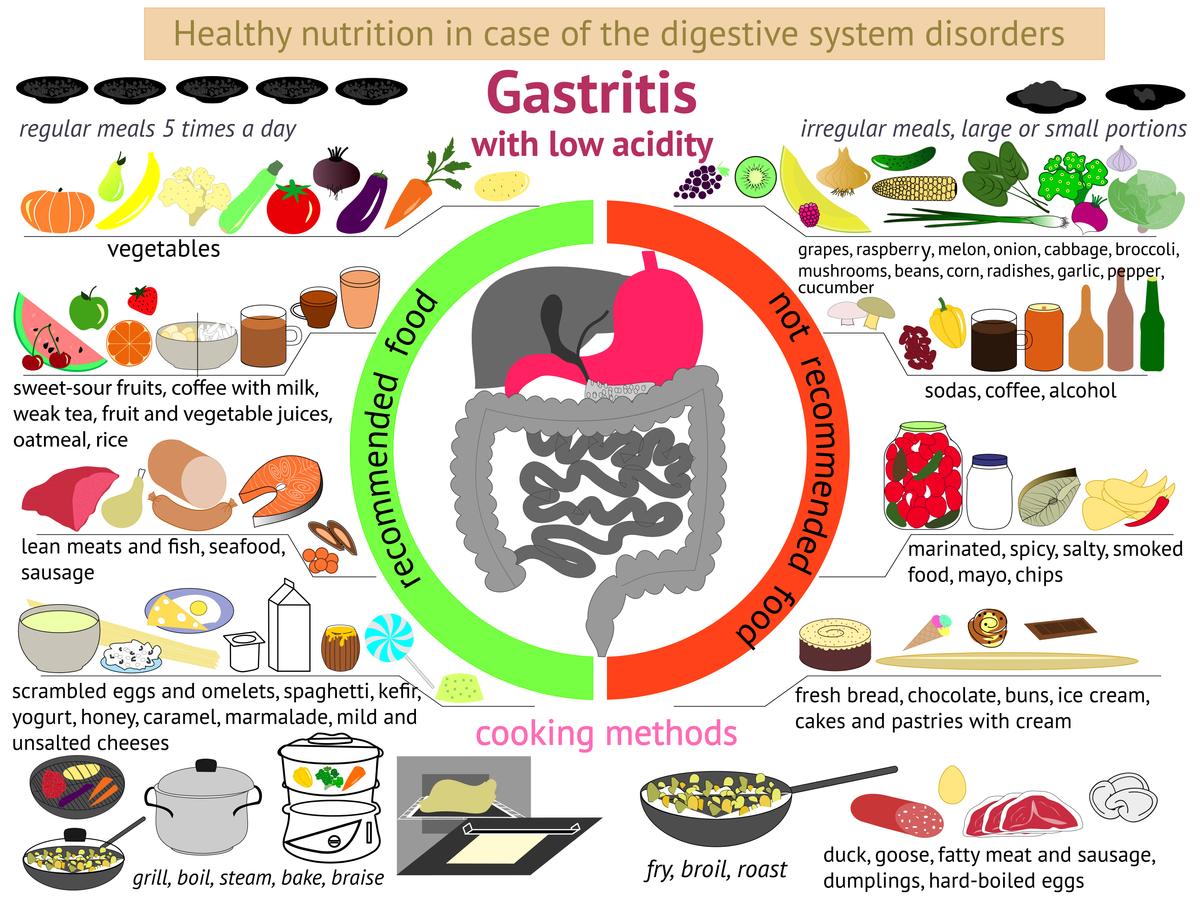
Gastritis Foods with Low Acidity
High acidity foods are more likely to trigger gastritis and worsen its symptoms. So you should include food with low acidity in your diet plans.
Anyhow, What Is Gastritis?
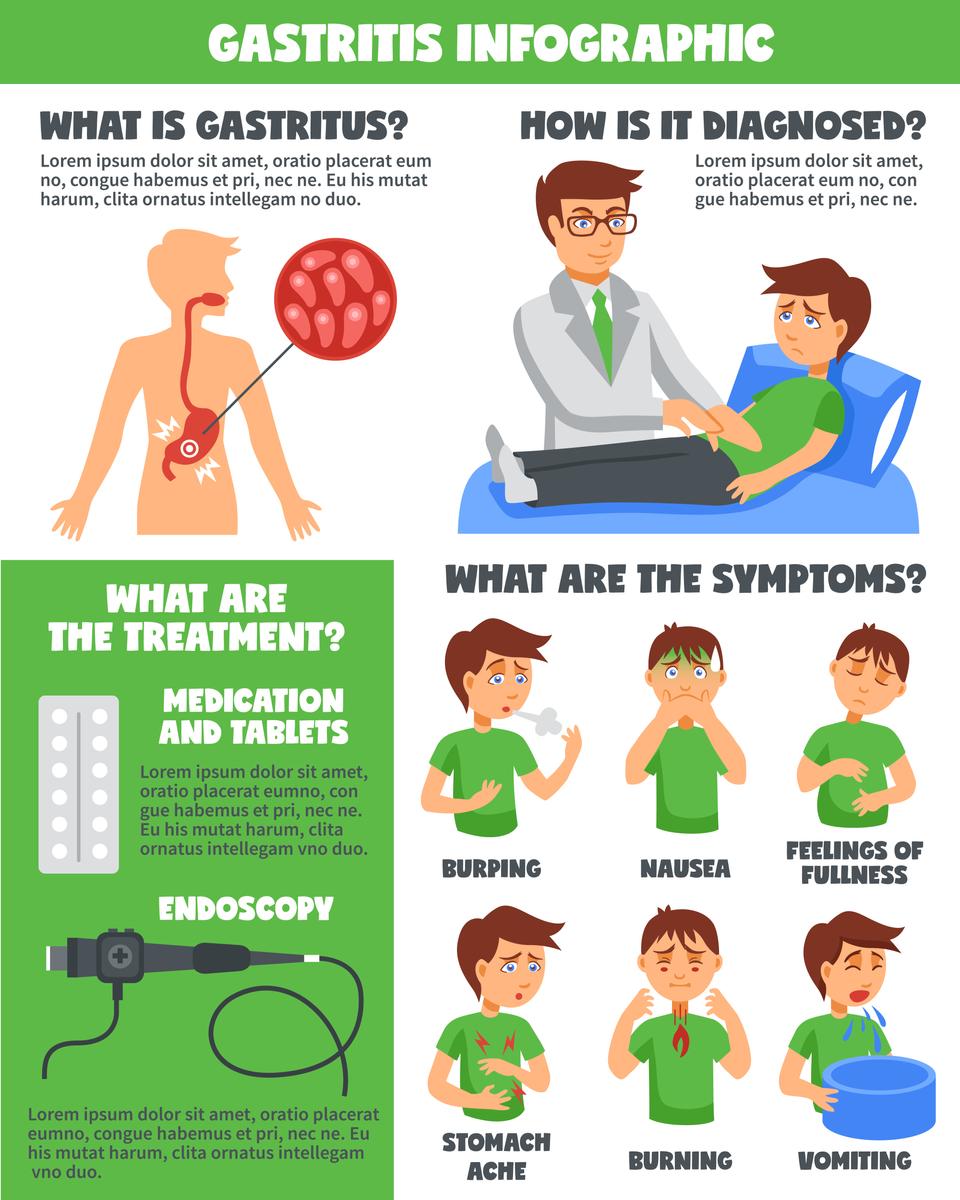
Gastritis is a medical condition categorized by the damage or inflammation of gastric mucosa (stomach lining). In this condition, your stomach lining may have some sores, thinning, redness, or swelling at some points, which causes a great deal of discomfort and digestive problems. If left untreated, this condition can become chronic or erosive.
Symptoms of Gastritis
Gastritis symptoms are generally manageable and aside on their own. Still, if you’re suffering from chronic or erosive gastritis (ulcer in the stomach or bleeding inside the stomach), it can manifest as bleeding in the stools or vomiting and severe pain. This condition needs immediate diagnosis and treatment.
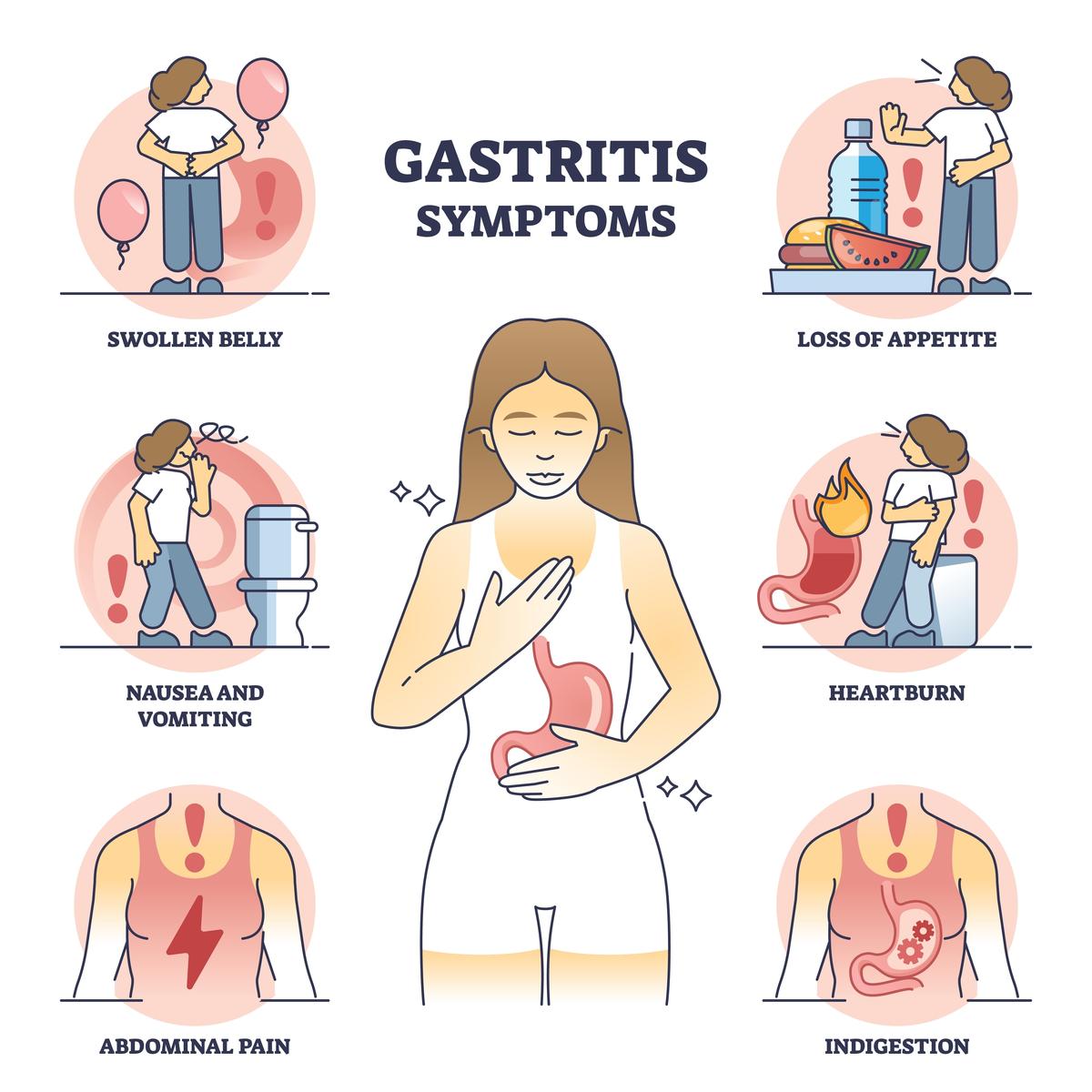
Following are some signs which help a doctor to indicate gastritis condition:
- Belching
- Hiccups
- Constant feeling of sickness
- Stomach pain
- Chest pain
- Burning sensation in the stomach
- Black or bright red blood in the vomit
- Bloody, stinky, and sticky poop
- Nausea
- Bloating
- Loss of appetite or feeling full without eating anything
- Indigestion
Anyhow, gastritis symptoms may vary from person to person, so it is very important to consult a gastroenterologist expert.
Cause of Gastritis
Gastritis is generally caused by harmful agents which interfere with and tear the lining of the stomach walls leading to inflammation and irritation.
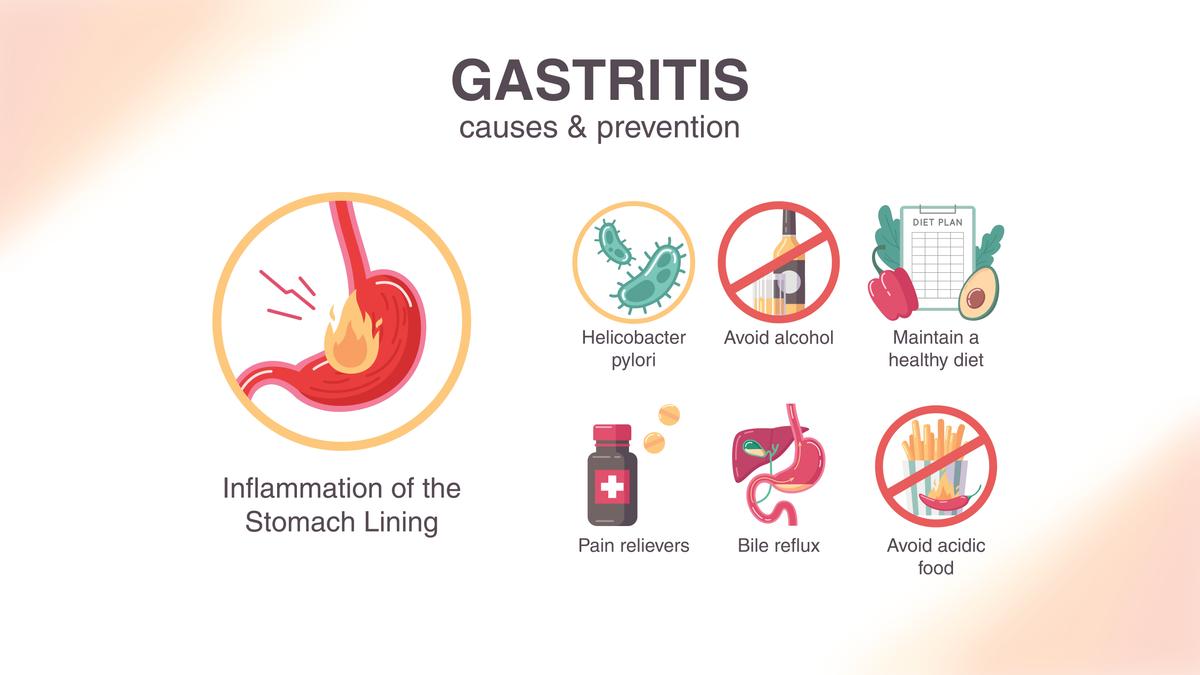
It is usually triggered by smoking, alcohol, medication, and junk eating. Gastritis is also caused by bacterial infection (Helicobacter Pylori) and internal injury. Moreover, the high use of NSAIDs, potassium supplements, antibiotics, and chemicals are other irritants of the stomach lining which contribute to gastritis and stomach ulcer.
Aging and stress can also worsen gastritis; as we age, our stomach muscles become fragile and prone to more devastating damage. However, gastritis in kids and young are mostly caused due to unhealthy eating habits such as high intake of fatty and fried stuff, highly acidic foods, late-night eating, and no physical movement after eating.
What Diet Is Best for a Gastritis Condition?
Most doctors prescribe antacids or antibiotics (depending on the cause of the problem), but acute conditions can be cured with some dietary changes.
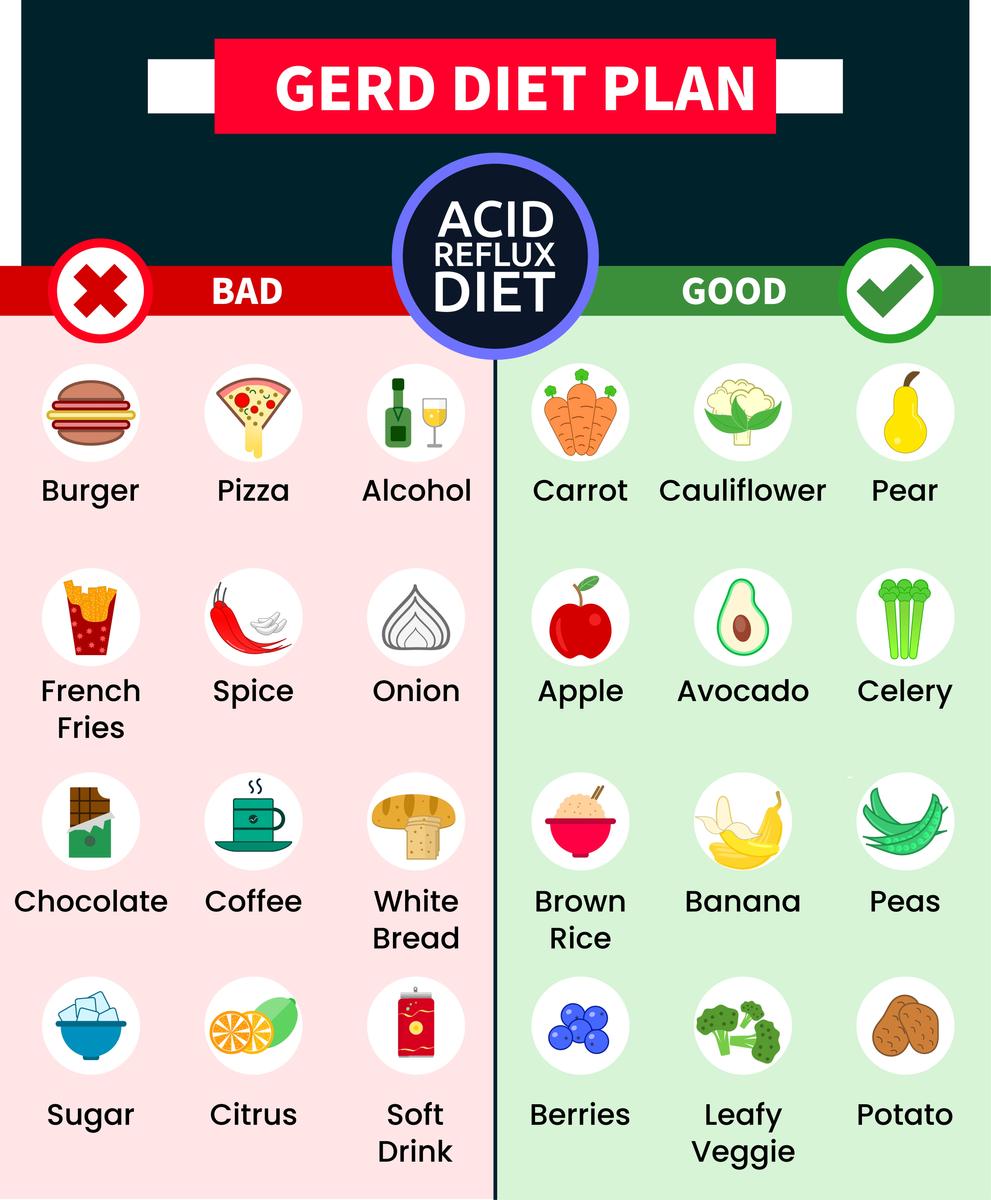
Here are some tips on diets for gastritis:
- Increase your fiber intake because it is easier for digestion and helps reduce inflammation.
- Increase your protein intake, sourced from plants (tofu, legumes, beans) or lean meats such as chicken breast, lean turkey, or seafood. These agents help in cell regeneration and alleviate gastritis symptoms.
- Include foods enriched with healthy fats such as olive oil, seafood, fatty fish, and nuts; it helps to lessen the gastritis pain and symptoms.
- Steamed or cooked vegetables such as leafy greens, zucchini, cucumber, sweet potatoes, and carrots are gentle on the stomach and good for gastritis.
- When you have gastritis, avoid eating citrus fruits such as lemon or orange but intake non-citrus fruits such as bananas, apples, etc. Citrus fruits have high acid content, making them more likely to interact with the stomach lining and trigger gastritis.
- Avoid high-fat milk; opt for almond milk or low-fat milk for gastritis.
- Drink herbal tea (turmeric, chamomile, ginger, or green tea) once daily because they have anti-inflammatory and soothing properties.
- Avoid alcohol, spicy foods, acidic food, high caffeine, fried and bakery goods.
- Avoid artificial sweeteners, processed foods, spicy condiments, and carbonated beverages; these items are bad for stomach health.
- Moreover, keep your meal in smaller portions to avoid stress on your stomach; you may have frequent meals.
Conclusion
Dietary moderation has a significant influence on the symptoms of gastritis. However, unfortunately, this doesn’t get much attention from medical experts, and they still consider antacids and other treatment options for this condition. Nevertheless, you should consult a healthcare expert before adding any meal plan to your gastritis diet.
FAQs
What Can I Drink in the Morning for Gastritis?
You can have green tea, chamomile, or turmeric tea with raw honey for gastritis. These teas have strong anti-inflammatory, soothing, and healing properties, which help treat gastritis.
What Foods Are Anti-inflammatory for Gastritis?
Leafy green vegetables, fatty fish, berries, green tea, avocado, mushrooms, olive oil, bell pepper, grapes, turmeric, cruciferous veggies, nuts, and seeds are highly anti-inflammatory and efficient for gastritis.
What Is a Good Lunch for Gastritis?
A suitable lunch for gastritis can be a salad with grilled chicken, leafy green vegetables, cucumber, bell peppers, and cooked quinoa. Moreover, avoid anything spicy, greasy, high-acidic, and junk food.
Is Milk Good for Gastritis?
Dairy milk may help temporarily relieve gastritis discomfort but can’t help its cure. Dairy milk has high acids, fats, and antibodies which can increase stomach acidity and act as irritants for stomach walls. However, you can opt for low-fat milk such as almond milk.
What Can I Eat on a Bland Diet for Gastritis?
On a bland diet for gastritis, you can eat plain rice, boiled potatoes, cooked vegetables, lean protein, non-citrus fruits, low-fat dairy, fresh fruits, and vegetable juices.
What Are Vegetarian Foods Good for Gastritis?
Vegetarians have a wide range of food items that can help gastritis and reverse its symptoms, such as oatmeal, quinoa, steamed vegetables, tofu, tempeh, non-citrus fruits, cruciferous vegetables, vegetable oils, lentils, beans, and plant-based milk.
Are Black Olives Acidic? Black Olives and Acid Reflux

When dealing with acid reflux, choosing the right foods can be critical. Black olives, commonly used in Mediterranean dishes and salads, often raise questions about their compatibility with an acid reflux-friendly diet. Are black olives acidic? Let’s dive into the facts and explore whether they are suitable for individuals managing acid reflux.
Are Black Olives Acidic or Alkaline?
Black olives are mildly acidic, with a pH ranging from 3.6 to 4.6, depending on how they are processed and preserved. Despite their acidity, they are generally considered safe for consumption in moderate amounts for most individuals, including those with acid reflux.
The preservation process, which often involves soaking olives in brine or vinegar, contributes to their acidity. However, once digested, black olives are thought to have a neutral to slightly alkaline effect on the body due to their rich mineral content, including magnesium and potassium.
Related to Read: Are Green Olives Acidic?
Acidic vs. Alkaline Foods and Acid Reflux
Acid reflux occurs when stomach acid flows back into the esophagus, causing discomfort and irritation. Choosing foods with alkaline properties can help neutralize excess stomach acid and soothe reflux symptoms. While black olives are not strongly alkaline, their nutritional profile provides several benefits for digestive health.
Author Tip: 7 Kinds of Foods to Avoid with GERD
Black Olives and Acid Reflux: Benefits
1. Rich in Healthy Fats
Black olives are a source of monounsaturated fats, which promote overall gut health. Unlike high-fat processed foods, these healthy fats do not typically trigger acid reflux when consumed in moderation.
2. High in Antioxidants
Black olives contain antioxidants like vitamin E and polyphenols. These compounds have anti-inflammatory properties that can protect the esophagus from irritation caused by acid reflux.
3. Good Source of Minerals
Minerals like magnesium and potassium in black olives help regulate stomach acid production, reducing the risk of reflux episodes.
4. Low in Calories
With approximately 35 calories per 10 olives, black olives are a low-calorie snack that won’t overload the stomach—a common trigger for acid reflux.
Potential Concerns with Black Olives
1. Sodium Content
Many black olives are cured or preserved in brine, which significantly increases their sodium content. High sodium intake can lead to water retention, bloating, and an increased risk of acid reflux. Opt for low-sodium or rinsed olives to reduce this risk.
2. Portion Control
Overeating black olives, like any food, can overload the stomach and increase the chances of acid reflux. Stick to moderate portions.
3. Processing Ingredients
Check for added ingredients like vinegar or spices, which can heighten acidity and potentially aggravate reflux symptoms.
How to Include Black Olives in an Acid Reflux-Friendly Diet?
- Choose Low-Sodium Options
Look for black olives labeled “low-sodium” or rinse regular olives to remove excess salt. - Pair with Alkaline Foods
Combine black olives with alkaline foods like leafy greens, cucumbers, or quinoa for a balanced meal. - Limit Processed Dishes
Avoid black olives in heavily processed dishes like pizza or nachos, as these may include high-fat and acidic ingredients that trigger reflux. - Monitor Your Reaction
Everyone’s body reacts differently. Start with small portions and observe how your body responds before making olives a regular part of your diet.
Author Tip: 7-Day Meal Plan For Gastritis
Black Olive Recipes for Acid Reflux
1. Mediterranean Black Olive Salad
Ingredients:
- 1 cup fresh spinach or arugula
- 10 sliced black olives (low sodium)
- 1/2 cup diced cucumbers
- 1 tbsp olive oil
- A pinch of salt and oregano
Instructions:
Combine all ingredients in a bowl. Toss with olive oil for a refreshing, reflux-friendly salad.
2. Black Olive Hummus
Ingredients:
- 1/2 cup black olives (rinsed)
- 1 cup cooked chickpeas
- 2 tbsp tahini
- 1 tbsp lemon juice
- 1 garlic clove (optional, depending on tolerance)
Instructions:
Blend all ingredients in a food processor until smooth. Serve with cucumber slices or whole-grain crackers
Scientific Evidence Supporting Black Olives and Acid Reflux
- Monounsaturated Fats and Digestion: Studies in the Journal of Gastrointestinal Health highlight that monounsaturated fats, such as those in black olives, improve digestion without exacerbating reflux.
- Anti-Inflammatory Benefits: Research in Nutrients (2021) emphasizes the role of polyphenols in reducing esophageal inflammation caused by reflux.
- Mineral Support: A study in the American Journal of Clinical Nutrition (2019) links magnesium and potassium intake to improved stomach acid regulation.
Final Thoughts
So, are black olives acidic? Yes, but only mildly. Their nutritional benefits, including healthy fats, antioxidants, and essential minerals, make them a potentially reflux-friendly food when consumed in moderation. By choosing low-sodium options and pairing them with alkaline foods, you can enjoy the rich flavor of black olives without aggravating acid reflux symptoms.
If you have specific dietary concerns, consult a healthcare professional or dietitian for personalized guidance. With mindful eating, black olives can be a flavorful and healthy addition to your diet.