
Rosemary Sage Pork Chops & Sage-Braised Tomatoes

Medically reviewed by Christiana George Updated Date: June 8, 2023

When Chris got back from California, I found myself seriously craving meat. After all, for the past week, I’d basically subsisted on eggs and cheese. And vegetarian I am not.
It’s not like Chris or I are huge meat eaters—in fact, we’re in agreement that large chunks of it, like in steaks or, er, roasts or whatever (I don’t even know any of the correct terminology to talk about meat), just don’t taste good. Furthermore, we rarely venture beyond ground turkey or chicken, out of ignorance I guess. I just don’t know how to handle anything else. (I aim to learn though, as a consequence of this blog!)
But, I do eat it more often than not, in slivers or in other bite-sized morsels, and for dinner usually. In fact, and this relates back to the difference between cooking for myself and cooking for my significant other and me, Chris thinks “eggs” and “cheese” are a poor substitute for meat. They’re not as filling. Or satisfying, I suppose. And that’s cool, we’re in accord. We’re totally in accord. We’re lucky how much in accord we are. In matters of taste, that is.
I could never be a vegetarian. Maybe a part-timer though.

These pork chops cook up beautifully. Was it the sage? The rosemary? The wonderfully aromatic flavor of the garlic? They were the only three ingredients after all, although I also attribute the chops’ satisfying (and not dry!) taste to the hot stove and the lid that kept all the moisture in.
And yes, I was totally sated afterward. I forget how much I like pork.

Avert your eyes if you find raw meat unappetizing!

heirloom tomatoes, condensation and all

I decided to cook up some tomatoes as well. I know, it’s blasphemy to apply heat to heirloom tomatoes. But I expect they’ll be in my kitchen pretty much nonstop for the rest of the summer, so I figured I could spare a few to go alongside the meat. (but I’ll be damned if I ever do anything to watermelon other than eat it in freshly-cut slices! I feel very strongly about this.) I’ll attribute this sentiment to Rose Carrarini of Rose Bakery—she seems to have a good eye for preparing vegetables deliciously.
I love the sweetness of cooked tomatoes. I mean, these guys were tender; they melted in my mouth; they accompanied the pork wonderfully.

ROSEMARY SAGE PORK CHOPS
Serves 2
From Big Oven
Ingredients:
2 pork chops, bone-in, about 8 ounces
2 Tbsp olive oil
2 Tbsp fresh sage, chopped
2 Tbsp fresh rosemary, chopped
2 large cloves of garlic, thinly sliced
salt and pepper to taste
Directions:
Pat dry pork chops and season with salt and pepper.
Heat the oil on medium in a skillet that will contain the pork chops. When the oil starts to shimmer, add the sage, rosemary, and garlic, and cook for 2 to 3 minutes, stirring. Increase the heat to medium-high and add the pork chops on top of the garlic mix. Cover and let cook undisturbed for about 5 minutes. Flip chops, re-cover the pan, and reduce heat to medium, for another few minutes, until the chops have cooked through.
SAGE-BRAISED TOMATOES
Serves 2
Ingredients:
2 Tbsp olive oil
1 medium onion
2 medium tomatoes
1 stalk celery
3 cloves garlic, crushed
8 to 10 leaves of sage
1/2 cup water or stock
Directions:
Heat olive oil in medium saucepan and cook onions until softened, about 5 minutes.
Add garlic, tomatoes, and celery and cook over medium heat for 2 minutes. Add water and sage and turn heat to low. Continue cooking until tomatoes are very soft and liquid has been reduced.
Related Posts






Subscribe for New Racipies
Get mental health tips, updates, and resources delivered to your inbox.
Is Fennel Acidic? Fennel’s Role in Acid Reflux and Digestive Health

Fennel is a unique vegetable that has been used in cooking and medicine for centuries. Known for its slightly sweet and licorice-like flavor, fennel is loved for its versatility and numerous health benefits. But did you know that it also plays a significant role in managing digestive health, particularly for those suffering from acid reflux?
Understanding whether fennel is acidic or alkaline is essential for anyone looking to maintain a balanced diet. The pH of your food can impact digestion, inflammation, and even long-term health. Acid reflux sufferers, in particular, are often advised to focus on low-acid or alkaline foods to help control their symptoms.
In this article, we will explore whether fennel is acidic or alkaline and delve into how it can benefit your digestive system. We’ll also look at the best ways to incorporate fennel into a low-acid diet. Whether you’re dealing with acid reflux or just want to improve your digestion, fennel could be the answer you’re looking for.
What Is Fennel and Its Role in Digestion?
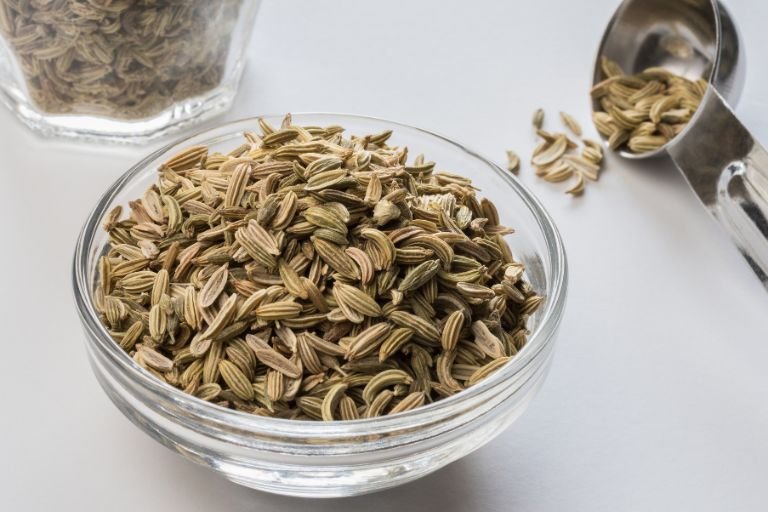
Fennel (Foeniculum vulgare) is a flowering plant in the carrot family. Its bulb, seeds, and fronds are all used in cooking and traditional medicine. Known for its slightly sweet, licorice-like flavor, fennel is packed with nutrients.
Nutritional Profile of Fennel
- Rich in Fiber: Fennel aids digestion and prevents constipation.
- Antioxidants: It contains vitamins A, C, and E, which combat oxidative stress.
- Essential Minerals: Fennel provides potassium, magnesium, and calcium for overall health.
Digestive Benefits of Fennel
Research proves that fennel has long been used to soothe the digestive system. It relaxes the stomach muscles, reducing bloating and gas. Its high fiber content promotes healthy bowel movements, while its essential oils stimulate the production of digestive enzymes.
Fennel is a go-to remedy for indigestion, stomach cramps, and flatulence. These properties make it particularly helpful for individuals with gastrointestinal discomfort.
Is Fennel Acidic or Alkaline?
Fennel is classified as an alkaline food. Its pH level is around 6.5-7.0, which is close to neutral. Unlike acidic foods, fennel does not aggravate acid reflux. Instead, it helps neutralize stomach acids and supports a balanced pH in the digestive system.
Why Is Alkalinity Important?
Alkaline foods like fennel counteract the effects of acidic foods. Consuming more alkaline foods can help reduce heartburn, acid reflux, and inflammation. Fennel’s alkalinity, combined with its anti-inflammatory properties, makes it a valuable addition to a low-acid diet.
Fennel pH Level and How It Affects Acid Reflux
Fennel’s pH level falls within the alkaline range, making it a soothing choice for acid reflux sufferers. Its natural compounds can reduce the production of stomach acid, alleviating symptoms like heartburn and regurgitation.
How Fennel Eases Acid Reflux Symptoms
- Neutralizes Acid: Fennel’s alkalinity neutralizes excess stomach acid.
- Relaxes the Esophagus: Its antispasmodic properties reduce the likelihood of acid reflux episodes.
- Aids Digestion: Improved digestion minimizes pressure on the lower esophageal sphincter, which can prevent acid reflux.
Regular consumption of fennel can provide long-term relief from acid reflux symptoms. It’s especially effective when combined with other low-acid foods.
Health Benefits of Fennel Beyond pH Levels
Fennel offers more than just pH balance. Its wide-ranging health benefits make it a powerhouse vegetable.
1. Supports Heart Health
Fennel is high in potassium, which helps regulate blood pressure. Its antioxidants reduce cholesterol levels, supporting cardiovascular health.
2. Boosts Immunity
With its high vitamin C content, fennel strengthens the immune system. It protects the body against infections and promotes faster recovery from illnesses.
3. Improves Hormonal Balance
Fennel contains phytoestrogens, plant compounds that mimic estrogen. This can help manage symptoms of menopause and improve menstrual health.
4. Promotes Weight Loss
Low in calories and high in fiber, fennel is ideal for weight management. It keeps you feeling full and supports healthy digestion.
5. Anti-Inflammatory Effects
Fennel’s compounds reduce inflammation throughout the body. This can benefit individuals with arthritis or other inflammatory conditions.
How to Incorporate Fennel into a Low-Acid Diet
Adding fennel to your diet is easy. Its versatility makes it suitable for various recipes. Here are some simple ways to enjoy fennel while managing acid reflux.
1. Fennel Tea
Fennel tea is a soothing remedy for acid reflux. Here’s how to make it:
- Ingredients: 1 teaspoon fennel seeds, 1 cup boiling water.
- Steps:
- Crush the fennel seeds.
- Steep them in boiling water for 10 minutes.
- Strain and enjoy warm.
2. Fennel Salad
Raw fennel adds a refreshing crunch to salads. Pair it with alkaline vegetables like spinach or cucumber for a reflux-friendly meal.
3. Roasted Fennel
Roasting fennel enhances its natural sweetness. Use olive oil and herbs for a flavorful side dish.
4. Fennel Soup
Include fennel in vegetable soups for a comforting, low-acid meal.
5. Fennel in Smoothies
Blend raw fennel with bananas and almond milk for an alkaline-friendly smoothie.
pH Levels of Fennel Compared to Other Vegetables
| Vegetable | pH Level | Classification |
| Fennel | 6.5-7.0 | Alkaline |
| Spinach | 7.0-7.5 | Alkaline |
| Broccoli | 6.5-7.0 | Alkaline |
| Tomatoes | 4.0-4.5 | Acidic |
| Potatoes | 5.5-6.0 | Slightly Acidic |
Acidic vs. Alkaline Food Chart
| Category | Acidic Foods | Alkaline Foods |
| Fruits | Citrus, Pineapple | Bananas, Melons |
| Vegetables | Tomatoes, Peppers | Fennel, Spinach |
| Grains | Wheat, Rice | Quinoa, Millet |
| Dairy | Cheese, Yogurt | Almond Milk |
Author Tip: 7 Kinds of Foods to Avoid with GERD
FAQs on Fennel and Acidity
1. Is fennel acidic or alkaline?
Fennel is classified as an alkaline food. Its pH level ranges between 6.5 and 7.0, making it a neutralizing choice for individuals managing acid reflux or looking to balance their dietary pH levels.
2. Does fennel help reduce acid reflux symptoms?
Yes, fennel is known to soothe the digestive tract. Its alkalinity helps neutralize stomach acids, while its antispasmodic properties relax the muscles of the gastrointestinal tract. This combination can effectively alleviate symptoms of acid reflux, such as heartburn and indigestion.
3. How often should you consume fennel for digestive health?
To reap fennel’s digestive benefits, it is recommended to consume it 2-3 times a week. Whether you include it as a raw snack, in a salad, or as a tea, fennel can promote a healthier digestive system and reduce symptoms like bloating or acid reflux.
4. Can fennel be consumed by individuals with severe acid reflux?
Fennel is generally well-tolerated by most individuals, including those with severe acid reflux. However, responses can vary. If symptoms persist after consuming fennel, consult a healthcare provider to rule out any underlying conditions or sensitivities.
5. Is fennel tea better than raw fennel for acid reflux?
Both fennel tea and raw fennel are effective for acid reflux. Fennel tea offers a more concentrated form of its soothing compounds and is easier to digest, making it ideal for those experiencing acute symptoms. Raw fennel, on the other hand, provides additional fiber, which can aid long-term digestive health.
6. Are there any side effects of consuming fennel?
Fennel is safe for most people, but excessive consumption may cause mild side effects like nausea or allergic reactions in sensitive individuals. As fennel contains phytoestrogens, individuals with hormone-sensitive conditions should consult their doctor before consuming it in large amounts.
7. Can fennel replace medications for acid reflux?
While fennel is a natural remedy that can reduce acid reflux symptoms, it should not replace prescribed medications for severe conditions. Always consult with a healthcare provider for personalized treatment recommendations.
Conclusion
Fennel is not only delicious but also a powerful tool for digestive health. Its alkaline nature makes it a great choice for those managing acid reflux, as it helps neutralize stomach acids and ease symptoms like heartburn. Beyond its pH, fennel offers a wealth of health benefits, from supporting heart health to improving hormonal balance and boosting immunity.
Including fennel in your meals is easy and versatile. You can enjoy it raw in salads, roasted as a side dish, or brewed into a soothing tea. For those looking to balance their diet and improve their digestion, fennel is an excellent choice.
Take control of your digestive health by making fennel a regular part of your diet. Its soothing properties, combined with its nutritional richness, make it a must-have for anyone striving for a healthy and balanced lifestyle.
Related Posts



Subscribe for New Racipies
Get mental health tips, updates, and resources delivered to your inbox.