
Mini Cinnamon Egg Nog Donuts with an Egg Nog Glaze

Medically reviewed by Christiana George Updated Date: December 17, 2022


Before I share this recipe with you, I want to give a shout out to the wonderfully talented Ashton from Something Swanky that I met while attending Online BlogCon. She is the artist behind my new blog design. I have been wanting a face-lift for my blog for a while now, but didn’t have the know how to do it myself. So I contacted Ashton and told her what I wanted and she brought my ideas to life. Now every time I click on my page, I have a huge smile on my face. If you are looking for your own blog face-lift, check out her Etsy shop here. She has great prices, is very friendly, and does a fabulous job.
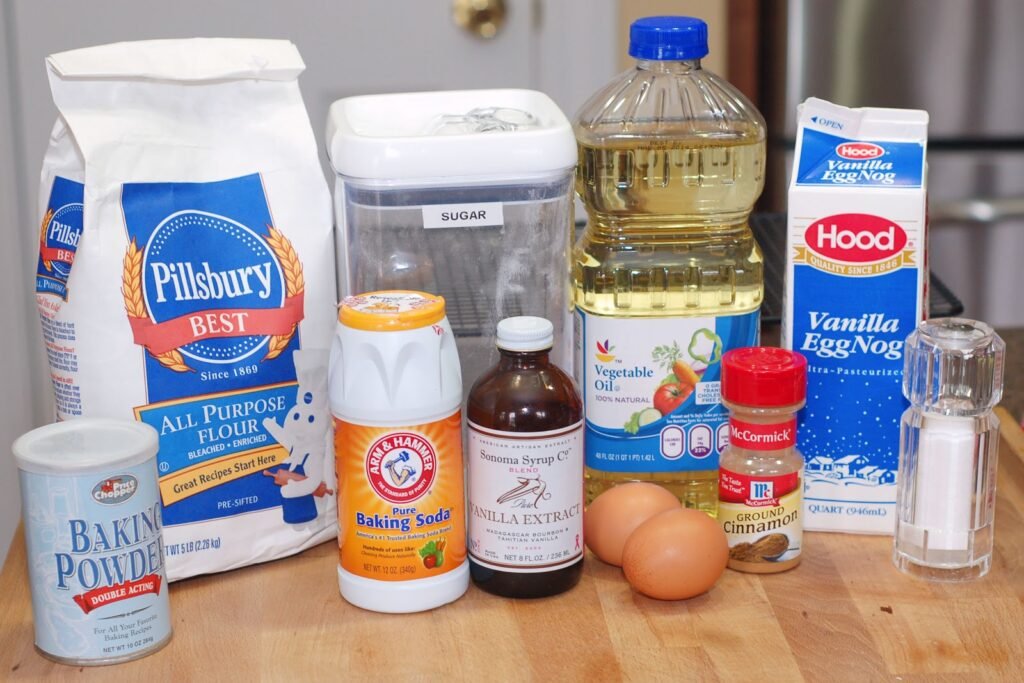
Last weekend, while my Babycakes donut maker was still warm from baking my Mini Chocolate Ginger Donuts, I put together this recipe. I simply replaced the milk and vinegar in my Mini Churro Donuts, with Hood Vanilla Egg Nog and reduced the amount of sugar. I can’t say I have every been a fan of egg nog. I did not grow up drinking it. I may have had some here and there. I have never had it with any alcohol added. I did have a glass while making this recipe and it was delicious, but one glass is enough. It is pretty rich and sweet. Perfect for baking though. It really goes well with cinnamon and adds a moist texture and rich flavor to the donuts.

I got to use my Tovolo Pancake Pen again. This time I smartened up though. I mixed my batter in my Pampered Chef batter bowl. It was much easier to pour the donut mixture in the pen this way.

Ooh, just look at all those beautiful speckles of cinnamon goodness. After making the first batch, I did realize that unlike my other donuts, 2 minutes is enough baking time for these. Any more than 2 minutes and the donuts became hard and dry when cooled. Two minutes was enough time for the insides to bake and still remain moist and soft after cooled.

I also replaced the milk in my regular glaze recipe for egg nog to really bring out the flavor.

Oh yeah, just let the glaze drip off the sides. Tell me this doesn’t make you drool right now.

I sprinkled a little cinnamon sugar on top to finish them off. I didn’t have any granulated sugar left, so I used brown sugar. I think I like it better for a topping because it is not so gritty.
Mini Cinnamon Egg Nog Donuts with an Egg Nog Glaze
by The Sweet Chick
Prep Time: 15 minutes
Cook Time: 2 minutes
Keywords: bake dessert egg nog cinnamon Christmas donuts
Ingredients (36 donuts)
For the donuts
- 1/3 cup vegetable oil
- 1/2 cup sugar
- 2 eggs
- 1 1/4 cup Hood Vanilla Egg Nog
- 1/2 teaspoon vanilla
- 2 cups all purpose flour
- 4 teaspoons baking powder
- 1/2 teaspoon baking soda
- 1/4 teaspoon salt
- 1 1/2 teaspoon cinnamon
For the glaze
- 1 cup powdered sugar
- 4 tablespoons egg nog
For the topping
- 1/4 cup brown sugar
- 1/2 teaspoon cinnamon
Instructions
For the donuts
Using a hand mixer or stand mixer, beat together oil and sugar. Add eggs and vanilla. Stir in the egg nog and mix well.
Stir together the flour, baking powder, baking soda, salt and cinnamon. Slowly add the dry ingredients to the wet ingredients and mix, making sure to have a nice smooth mixture.
Use a piping bag, a Ziplock bag with tip cut off, or a pancake pen, to fill each donut reservoir with about 2 tbsp of batter.
Bake for about 2 minutes or until toothpick inserted in center of donut comes out clean.
Place hot donuts on cooling rack with a wax paper underneath and prepare the glaze.
For the glaze
In a small bowl whisk together powdered sugar and egg nog until smooth.
Dip the tops of each donut in the mixture ,then place back on the cooling rack until the glaze is dry.
For the topping
Mix together the brown sugar and cinnamon until well blended.
Then before glaze dries, sprinkle the tops of the donuts with the mixture. Put as little as or as much as you desire.
Related Posts





Subscribe for New Racipies
Get mental health tips, updates, and resources delivered to your inbox.
Is Barley Grass Acidic? Barley Grass and Acid Reflux


Barley grass, derived from the young shoots of the barley plant, has gained popularity in health circles due to its nutrient-rich profile. It’s known for being packed with vitamins, minerals, and antioxidants, making it a sought-after supplement for overall well-being. However, one common question arises: Is barley grass acidic? And how does it impact individuals suffering from acid reflux?
In this article, we’ll explore whether barley grass is acidic, how it interacts with acid reflux, and the potential benefits it offers for digestive health. Whether you’re considering barley grass for its health benefits or managing acid reflux, this guide will provide scientifically-backed insights to help you make informed decisions.
What is Barley Grass?
Barley grass is the young, green part of the barley plant, harvested before the plant begins to form the seed. It is typically consumed in powdered form or as a juice. Rich in chlorophyll, enzymes, and antioxidants, barley grass is widely known for its potential to enhance overall health. It’s packed with essential nutrients such as vitamin C, iron, calcium, and fiber.
Is Barley Grass Acidic?
To understand whether barley grass is acidic, we must first look at its pH level. The pH scale measures the acidity or alkalinity of a substance, with 0 being extremely acidic, 7 being neutral, and 14 being highly alkaline.
Barley grass, despite its earthy taste, is considered alkaline in nature. When consumed, it has an alkalizing effect on the body. This is an important distinction for people concerned about acid reflux, which is often exacerbated by acidic foods.
pH of Barley Grass:
- Fresh barley grass juice: pH 7-8 (alkaline)
- Dried barley grass powder: pH 8.5 (alkaline)
The alkalizing properties of barley grass help neutralize stomach acid and may offer relief for those struggling with acid reflux.
Related to Read: Are Barley Acidic?
How Barley Grass Affects Acid Reflux?
Acid reflux, or gastroesophageal reflux disease (GERD), occurs when stomach acid frequently flows back into the esophagus, leading to heartburn, chest pain, and irritation. Diet plays a significant role in managing acid reflux, and many people wonder if certain foods, such as barley grass, can help reduce symptoms.
Given its alkaline nature, barley grass can have a soothing effect on the stomach lining and esophagus. It helps reduce the acidity in the stomach, which can lower the chances of acid reflux episodes. Let’s take a closer look at how barley grass can benefit individuals with acid reflux.
Benefits of Barley Grass for Acid Reflux:
According to the research, following are the benefits of barley grass:
- Alkalizing Effect:
- Barley grass helps balance the body’s pH, counteracting the excess acidity in the stomach that causes heartburn and discomfort. The chlorophyll content of barley grass also aids in neutralizing acids in the digestive tract.
- Rich in Fiber:
- Barley grass is high in soluble fiber, which helps promote healthy digestion. This can prevent constipation and improve the overall function of the digestive system, reducing the likelihood of acid reflux.
- Supports the Digestive System:
- Barley grass contains enzymes that can aid in breaking down food more efficiently. This not only improves digestion but also reduces the burden on the stomach, which might otherwise result in excess acid production.
- Soothes the Stomach Lining:
- The antioxidants and anti-inflammatory properties of barley grass help protect the stomach lining from irritation caused by acid reflux. It may also reduce inflammation in the esophagus.
Scientific Research on Barley Grass and Acid Reflux
While anecdotal evidence supports the idea that barley grass can alleviate acid reflux symptoms, scientific studies provide further insight into its potential benefits.
Study 1: Alkaline Diet and GERD Relief
A study published in the Journal of Gastrointestinal Disorders found that an alkaline diet, rich in plant-based foods such as barley grass, helped reduce acid reflux symptoms in patients. The results suggested that consuming alkalizing foods might reduce the frequency and severity of acid reflux episodes.
Study 2: Chlorophyll’s Role in Digestive Health
In a study by the National Institute of Health, chlorophyll was shown to have anti-inflammatory and antioxidant effects, which can benefit the digestive system. Since barley grass is rich in chlorophyll, it may contribute to reducing inflammation in the esophagus caused by acid reflux.
Barley Grass vs. Other Alkaline Foods for Acid Reflux
While barley grass is an excellent alkaline food for managing acid reflux, there are other foods with similar properties that may also help reduce acidity in the stomach.
| Food Item | pH Level | Benefits for Acid Reflux |
| Barley Grass | 8-8.5 | Alkalizes stomach acid, promotes digestion |
| Spinach | 7.5 | Reduces acidity, soothing effect on the esophagus |
| Cucumber | 7.5 | Relieves heartburn and helps hydrate the digestive tract |
| Almonds | 7.5 | Alkaline, rich in fiber to prevent acid reflux |
| Bananas | 6.5 | Natural antacid, soothing to the stomach lining |
Note: It’s important to consult a healthcare provider before making significant dietary changes, especially for individuals with chronic acid reflux or GERD.
Author Tip: 7 Kinds of Foods to Avoid with GERD
How to Include Barley Grass in Your Diet?
Barley grass is versatile and can be incorporated into your diet in various ways. Here are a few popular methods:
- Barley Grass Powder:
- Add one teaspoon of barley grass powder to smoothies, juices, or water.
- Mix it into soups, salads, or cereals for a nutritional boost.
- Barley Grass Juice:
- Fresh barley grass juice can be consumed on its own or mixed with other juices like carrot or cucumber for a refreshing drink.
- Barley Grass Capsules:
- For those who prefer a more convenient option, barley grass is available in capsule form, which can be taken daily as a supplement.
Author Tip: 7-Day Meal Plan For Gastritis
Conclusion
In summary, barley grass is not acidic, but rather alkaline, which can provide beneficial effects for those suffering from acid reflux. Its alkalizing properties help balance stomach acidity, soothe the esophagus, and improve digestion. Additionally, the high fiber content and antioxidants in barley grass further support digestive health and may offer relief from acid reflux symptoms.
For anyone dealing with acid reflux, barley grass can be a valuable addition to your diet, helping to alleviate discomfort and promote overall well-being. However, it’s always recommended to consult with a healthcare professional before making any major dietary changes, especially for individuals with severe acid reflux or GERD.
Related Posts

Subscribe for New Racipies
Get mental health tips, updates, and resources delivered to your inbox.