
Are Juice Cleanses Healthy? Pros, Cons, and Healthy Diet Alternatives

Medically reviewed by Christiana George Updated Date: January 4, 2026

Are you thinking of losing weight by simply living only on juice cleansing? Wait!
If you’re new to juice cleanses or want to learn more about them, this guide will provide everything you need to know about this health-promoting diet fad.
Juice cleanses have gained popularity in recent years as a way to detoxify the body and jumpstart weight loss. But are juice cleanses healthy?
Juice Cleanses are notoriously unhealthy despite being marketed as an easy way to lose weight. They are all the rage now, but there are better ways to lose weight, as they can deprive your body of protein and fiber. You’re better off eating fruit than giving your body only juice for days.
While they may offer some benefits, it’s important to consider the pros and cons before embarking on a juice cleanse. Before you decide to start juicing, read this article on five reasons juice cleanses are unhealthy.
Also, learn why they’re nothing more than a trendy marketing scheme designed to take you from your money and have you think you’re doing something good for your body.
Are Juice Cleanses Healthy? 5 Reasons They Aren’t
Juice cleanses have gained popularity as a way to lose weight and detoxify the body, but they are not a healthy or sustainable approach to weight loss. Here are five reasons why juice cleanses are not healthy:
Lack of Nutrients
Juice cleanses often do not provide the necessary nutrients that the body needs for optimal health. Juicing removes the fiber from fruits and vegetables, and can lead to deficiencies in essential vitamins and minerals, which can result in fatigue, dizziness, headaches, and nausea. Without fiber, the digestive system can also slow down, leading to constipation.
Stomach Pain
Juice Cleanses are marketed to detox your body and lose weight but may have the opposite effect.It can cause stomach pain, nausea, diarrhea, and vomiting. Excessive intake of fruit juice can lead to an excess of sugar, which can cause blood sugar levels to spike and lead to insulin resistance in the long run.
Possible Dehydration
A Juice Cleanse can cause you to dehydrate as fruits and vegetables contain a lot of water and work as a natural laxative for the body. So your body is getting too much fluid and excreting excess fluids from your system, dehydrating you.
Too much liquid can cause you to lose electrolytes and minerals like potassium, calcium, and magnesium through urine.
Extreme Hunger
Hunger is a natural, healthy response to fasting. It’s your body’s way of telling you that it needs energy. And when you don’t eat (solid food) for an extended time, hunger can become extreme and sometimes dangerous. A recent study suggested that Juice Cleanses can also lead to eating disorders.
Short-Term Weight Loss
While juice cleanses may promote short-term weight loss due to calorie restriction and elimination of unhealthy fats, this weight loss is mostly due to water weight and is not sustainable in the long term. In fact, people who rely on juice cleanses for weight loss often end up gaining more weight over time compared to those who follow a more balanced diet.

5 Benefits of Juice Cleanse
Juice can be healthy in mainly 5 ways for your health. They include detoxification, gut bacteria control, and weight loss, Increased Nutrient Intake and give a break to the digestive system.
Detoxification
Juice cleanses are often touted for their ability to help flush out toxins from the body. Freshly pressed juices can be a good source of vitamins and minerals that support the body’s natural detoxification processes, such as antioxidants that help neutralize harmful substances and support liver function.
Balanced Gut Bacteria
Juice cleanses may help promote a balanced gut bacteria profile. Some studies have suggested that certain types of juice cleanses can increase the abundance of Bacteroidetes, a type of gut bacteria associated with weight loss, and decrease the abundance of Firmicutes, a type of gut bacteria associated with increased body weight. This may help support a healthy gut microbiome, which has been linked to overall health and well-being.
The two most abundant bacterial species in the human gut are Firmicutes (40–60%) and Bacteroidetes (20–40%). While Firmicutes are associated with increased body weight, Bacteroidetes work the opposite.
Studies have suggested Juice Cleanses may increase Bacteroidetes, promoting weight loss.
In addition, since they are low in calories, your digestive system gets a break from the heavy foods that typically make up your diet.
Weight Loss
Juice cleanses can lead to short-term weight loss due to calorie restriction. Since juices are typically low in calories compared to solid foods, following a juice cleanse can create a calorie deficit, leading to weight loss.
Additionally, by eliminating unhealthy fats and lowering lipid levels, juice cleanses may also help support weight loss efforts.
Therefore, your body will use reserve energy sources like glycogen, and lipids, leading to weight loss.
Increased Nutrient Intake
Juices made from fresh fruits and vegetables can be a concentrated source of essential vitamins, minerals, and antioxidants. Drinking nutrient-rich juices during a cleanse can help provide the body with important nutrients that may be lacking in the diet, promoting overall health and well-being.
Digestive System Rest
Juice cleanses can give the digestive system a break from processing heavy foods that are typically consumed in the diet. This can provide a restorative period for the digestive system and may help improve digestion and absorption of nutrients.
How Much Weight Can You Lose on a Juice Cleanse Diet?
You can reduce around 10 pounds of your weight by drinking juice for a week. A recent study found that juice Cleanses can potentially increase Bacteroidetes, gut bacteria linked to decreasing weight.
During the study, the participants took juice for three consecutive days and found about two pounds of weight loss. Weight loss could vary – from ½ to 4 pounds daily.
However, you must understand something first – Juice Cleanses don’t burn fat. Instead, they simply reduce water weight.

How Much and When to Drink Juice Cleanses For Maximum Benefits?
Traditionally, there are two types of juice cleanse – one allows you to eat food. In contrast, juice cleansing simultaneously, and the other advises only fruit and vegetable juices for a few days.
The former is more viable and healthy for the human body because your body gets regular nutrients and minerals from other food rather than just fluids.
However, you can achieve these health benefits through other means. For instance, you could use a juice cleanse as a break from your regular diet to give your system some time off from heavy foods.
You could also swap out one meal for a light juice each day instead of doing a full-on cleanse. If you want to do a full-on cleanse, ensure it lasts only 3 days to keep your healthy eating habits healthy for a while.
Related Article: Is Mac and Cheese Healthy? Calories, Nutrition, and a Awesome Recipe
Healthy Diet Alternatives to Juice Cleanses
If you want to improve your overall health through detoxification, there are better ways to accomplish this goal than juice cleanses. While juice cleanses can offer some benefits, there are also other healthy diet alternatives that can be followed for overall health and well-being. Here are some examples:
Whole Foods Plant-Based Diet
A whole foods plant-based diet focuses on consuming minimally processed foods that come from plants, such as fruits, vegetables, legumes, whole grains, nuts, and seeds.
This type of diet is typically high in fiber, vitamins, minerals, and antioxidants, and can provide a wide range of nutrients that support overall health and well-being.
Mediterranean Diet
The Mediterranean diet is characterized by a high intake of fruits, vegetables, whole grains, legumes, nuts, seeds, and healthy fats, such as olive oil, along with moderate consumption of fish, poultry, and dairy, and limited intake of red meat and processed foods.
This diet is rich in healthy fats, antioxidants, and fiber, and has been associated with numerous health benefits, including improved heart health, weight management, and brain health.
Balanced Macronutrient Diet
A balanced macronutrient diet focuses on consuming a balance of carbohydrates, proteins, and fats in appropriate proportions for your individual needs.
This type of diet typically includes a variety of whole foods from different food groups, and emphasizes portion control and moderation.
This can help ensure that you are getting a well-rounded nutrient intake and can support overall health and weight management.
Mindful Eating
Mindful eating is not a specific diet plan, but rather an approach to eating that involves paying attention to your body’s hunger and fullness cues, eating slowly and savoring each bite, and being present and mindful during meals.
This approach can help you develop a healthy relationship with food, practice portion control, and make mindful food choices based on hunger, fullness, and satisfaction cues from your body.
Customized Meal Plan
Working with a registered dietitian or nutritionist to create a customized meal plan based on your individual health goals, dietary preferences, and lifestyle can be a healthy alternative to a juice cleanse.
A personalized meal plan can ensure that you are getting a balanced and nutrient-rich diet that meets your specific needs, and can be sustainable in the long term.
Exercising
Another way of losing weight is by burning more calories than you consume every day – by exercising. That is a bit of hard work and worth it for losing weight fast.
Any form of physical exercises, such as walking, running, or Gymming, will work. However, don’t go for intensive exercise if you are new to activities without an expert suggestion.
Are Pressed Juice Cleanses Healthy?
Pressed juice cleanses can be a healthy option when done properly as part of a well-rounded diet. They can provide concentrated sources of essential nutrients from fresh fruits and vegetables, such as vitamins, minerals, and antioxidants. However, it’s important to consider several factors to ensure that a pressed juice cleanse is healthy.
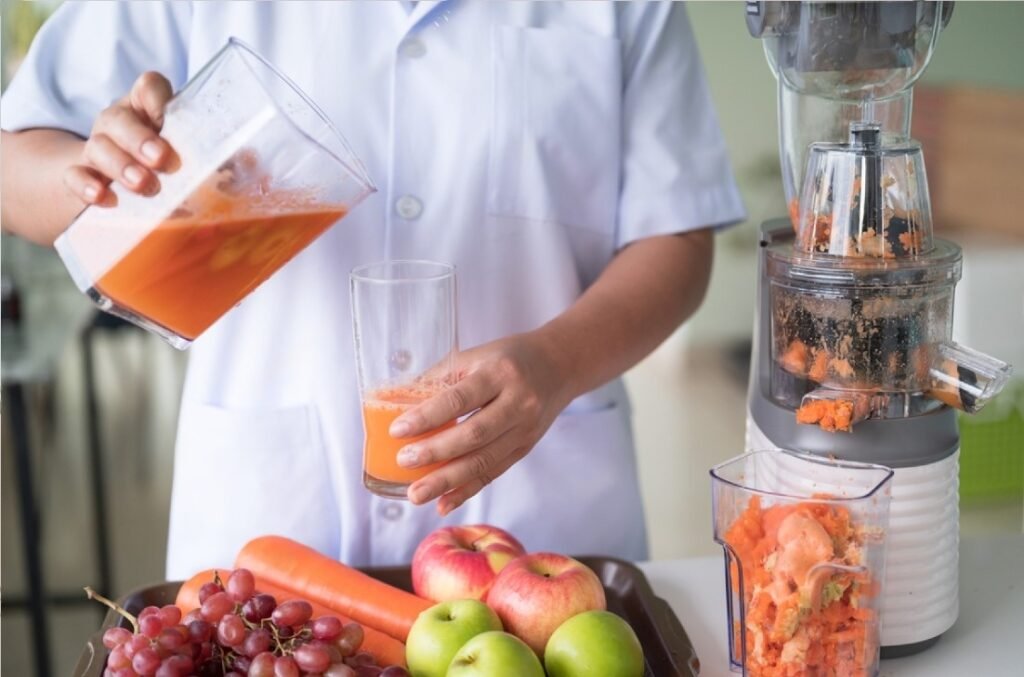
First, make sure the juice cleanse provides a balanced mix of nutrients, including carbohydrates, proteins, healthy fats, vitamins, minerals, and antioxidants. Avoid overly restrictive juice cleanses that lack variety in nutrients.
Additionally, check the calorie content of the juice cleanse to ensure it provides enough energy to meet your body’s needs. Very low-calorie juice cleanses may not be suitable for everyone and should be approached with caution.
Choose a pressed juice cleanse that uses fresh, organic, and high-quality ingredients to ensure you’re getting the best possible nutrients from the juices. Avoid those that contain added sugars, preservatives, or artificial ingredients. Keep in mind the importance of hydration during a juice cleanse and make sure to drink enough water and other hydrating fluids in addition to the juices.
Consider your individual health status, including any pre-existing health conditions or dietary restrictions, and consult with a healthcare professional or registered dietitian to ensure that a juice cleanse is safe and suitable for your specific needs. Short-term juice cleanses of 1-3 days are generally considered safe for most healthy individuals, but longer cleanses may require closer monitoring and supervision.
Finally, view a juice cleanse as part of an overall healthy diet and lifestyle, and plan for a gradual transition back to a balanced eating pattern after the cleanse. Relying solely on juice cleanses for prolonged periods is not recommended, as it may lead to nutrient deficiencies and other health issues.
Pressed juice cleanses can be a healthy option when done properly as part of a well-rounded diet, but it’s important to consider factors such as nutritional balance, calorie content, ingredient quality, hydration, individual health considerations, duration of the cleanse, and overall lifestyle to ensure its healthiness.
Related Article: Are Falafels Healthy? Tasty & Nutritious Chickpea Bites!
FAQs
What Is the Healthiest Juice Cleanse?
Green juice, made from a combination of nutrient-rich leafy greens like kale, spinach, and celery, along with other veggies and fruits, can be a healthy option for a juice cleanse. Green juice is typically low in calories and high in vitamins, minerals, and antioxidants, making it a good choice for a health-conscious juice cleanse.
Can You Lose Weight With Juice Cleanses?
Juice Cleanses are often claimed as a quick way to lose weight, but the truth is that you’ll likely gain it all back once you resume your usual eating habits. Also, you cannot keep juicing for a long time. Therefore, choosing a healthy, protein-rich, low-fat diet would be better.
What Do Juice Cleanses Do to Your Body?
Having juice cleanses occasionally can help your body detoxify all the junk food you have eaten recently and relax your digestive system. A juice cleanse typically involves consuming only fruit and vegetable juices for a specified period of time. It can provide a surge of vitamins, minerals, and antioxidants from the juices, along with increased hydration.
Will I Regain Weight After I Am Done With a Juice-Cleanse Diet?
Most likely, yes- you will gain weight after a juice-cleanses diet. With juice cleansing, you are not cutting body fat but getting rid of the water weight. So, if you continue your regular diet, you can regain that water weight.
How Often Is It Healthy to Do a Juice Cleanse?
The frequency of doing a juice cleanse depends on various factors, including your overall health, nutritional needs, and goals. In general, juice cleanses should not be done too frequently, as they may not provide adequate sustenance for long-term health.
How Much Weight Do You Lose on a 3 Day Juice Cleanse?
The amount of weight you may lose during a 3-day juice cleanse can vary widely and is influenced by factors such as your starting weight, body composition, and individual metabolism. While some people may experience weight loss during a juice cleanse due to reduced calorie intake, most of the weight lost is typically water weight and may be regained once you resume a regular diet.
Are Juice Cleanses Full of Sugar?
Some juice cleanses may be high in natural sugars from fruits and vegetables, as the juicing process can concentrate the natural sugars present in the product. However, the amount of sugar in a juice cleanse can vary depending on the types and quantities of fruits and vegetables used in the juices, and whether any additional sweeteners are added.
How Much Weight Can You Lose on a Juice Cleanse?
The amount of weight you can lose on a juice cleanse can vary widely depending on several factors, including your starting weight, body composition, activity level, and the specific details of the juice cleanse itself, such as the number of days, types of juices consumed, and overall calorie intake.
On average, some individuals may experience weight loss of 1-3 pounds (0.5-1.4 kg) per day during a juice cleanse, although this can vary depending on individual factors.
What Is the Best Juice Cleanse for Weight Loss?
Weight loss is best achieved through a combination of a healthy and balanced diet, regular physical activity, and sustainable lifestyle changes. While juice cleanses may result in short-term weight loss due to reduced calorie intake, they are not a sustainable or recommended long-term approach for weight loss.
However, if you’re considering incorporating a juice cleanse as part of a short-term weight loss plan, here are some general guidelines to consider:
- Choose low-sugar, vegetable-based juices.
- Include protein and healthy fats.
- Limit fruit juices.
- Stay hydrated.
- Be mindful of portion sizes.
- Focus on long-term lifestyle changes.
Final Thought
So, is Juice Cleanses healthy? Instead of relying solely on juice, it is advisable to consume whole fruits, as juice cleanses have been found to have limited evidence in aiding weight management or toxin elimination, according to the National Center for Complementary and Integrative Health (NCCIH).
A juice Cleanse sounds like an easy and natural way to jump-start your weight loss efforts, but it can do more harm than good in the long term.
Juice Cleanses are marketed to lose weight, detoxify the body, and feel energized. In addition, keep in mind that while juices may have more nutrients than sugary drinks or processed food, they lack protein which is vital for keeping your blood sugar steady.
Related Posts





Subscribe for New Racipies
Get mental health tips, updates, and resources delivered to your inbox.
Lemon Frozen Yogurt, à la Jeni’s Splendid Ice Cream

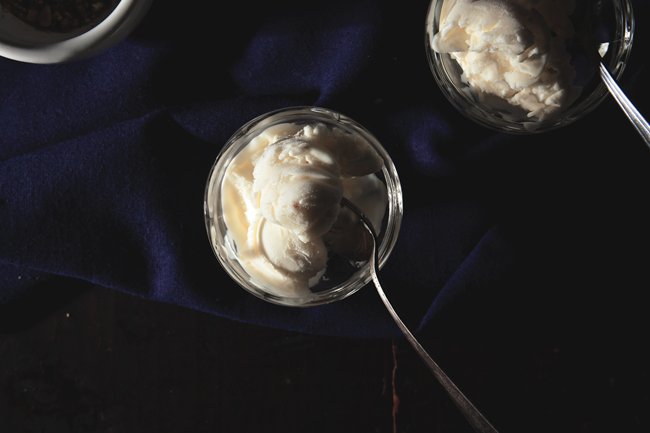
A couple weeks back, I mentioned how I got to try Jeni’s Splendid Ice Cream for the first time ever. And while the famous salted caramel was lip-smackingly good (intensely salty AND sweet), I couldn’t stop thinking about the lemon and blueberry fro-yo, particularly because of the lemon frozen yogurt base. It was tangy and delicate, falling just short of palate-cleansing because it was still quite creamy.
So even though it’s not really frozen desserts weather anymore (oh hell, who am I kidding? I could eat frozen desserts any time of the year (although I think that claim’s actually going to be tested this winter (and are parentheses within parentheses within parentheses grammatically incorrect?))), I couldn’t wait until next year to try out this recipe.
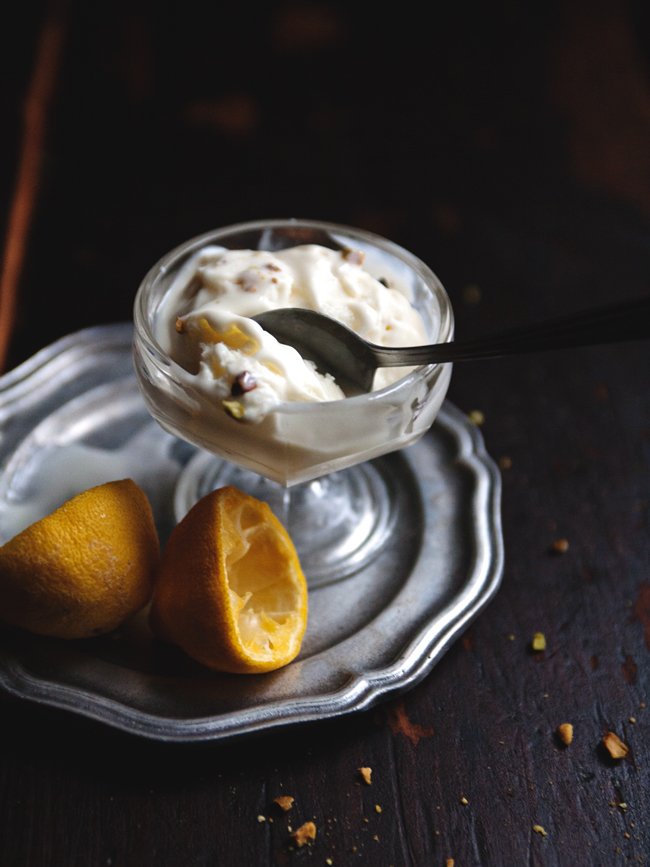
Like Molly said, the recipe’s a bit fussy. It requires very exact timing and the use of many many bowls. And I didn’t even make the blueberry swirl because I wanted the unadulterated taste of lemon. But I didn’t mind it—following directions gets to be kind of meditative after awhile. Just know that you’ve been warned, if you decide to go through with it.
If you follow the directions precisely—ROOM TEMPERATURE cream cheese! I can’t stress that enough—you will most certainly end up with a lovely quart of fro-yo in the lightest shade of yellow. It doesn’t turn icy even after it’s been in the freezer for a few days, it doesn’t melt too fast (or too slow for that matter). It really is the perfect way to savor Jeni’s at home.
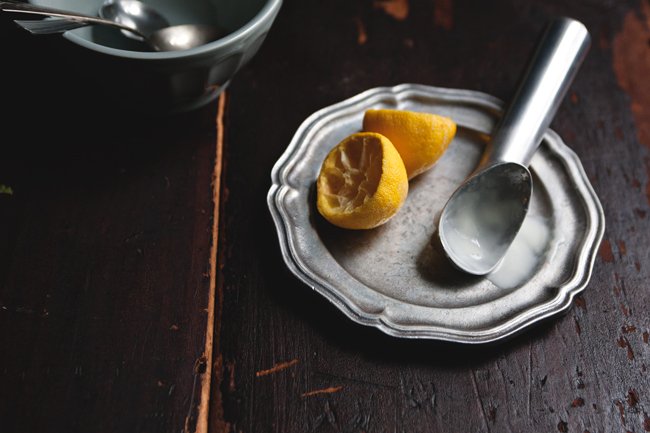
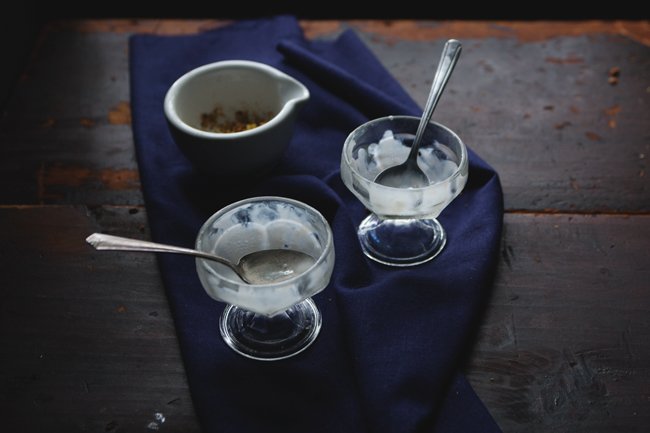
LEMON FRO-YO
Recipe from Jeni’s Splendid Ice Creams at Home via Orangette
Yields over a quart
Ingredients:
For the lemon syrup:
2 to 4 lemons
3 Tbsp sugar
For the frozen yogurt base:
1 quart plain low-fat yogurt
1-1/2 cups whole milk
2 Tbsp corn starch
2 oz. (4 Tbsp) cream cheese, softened
1/2 cup heavy cream
2/3 cup sugar
1/4 cup light corn syrup
Zest from one lemon, reserved from lemon syrup
Directions:
One day in advance, Put a mesh sieve lined with 2 layers of cheesecloth over a bowl and pour the plain yogurt into the sieve. Cover with plastic wrap and refrigerate 6 to 8 hours (I kept it in the fridge for over 24 hours and it turned out fine).
For the lemon syrup, first use a vegetable peeler to peel the zest off one lemon in long strips. Reserve for the frozen yogurt base. Then juice enough of the lemons to yield 1/2 cup. Combine the lemon juice and sugar in a small saucepan and bring to a boil over medium-high heat, stirring to dissolve the sugar. Remove from heat and set aside to cool.
For the frozen yogurt:
Remove the plain yogurt from the fridge and measure out 1-1/4 cups worth. Set aside.
Combine 2 Tbsp of the milk in a small bowl with the corn starch.
In a bowl (that will eventually need to fit the entire fro-yo base), whisk the cream cheese until smooth (very smooth! The cream cheese should definitely be at room temperature or it will whisk into clumps).
Combine the remaining milk, heavy cream, sugar, corn syrup, and strips of lemon in a large pot (Jeni specifies a pot with 4-quart capacity, but I really don’t think it’s necessary for this particular recipe. A large-ish pot will do). Bring to a rolling boil over medium-high heat and boil for exactly 4 minutes. Towards the end of the 4 minutes, whisk the corn starch and milk until it’s a smooth slurry. Remove the pot from the heat and slowly whisk in the corn starch mixture. Return the pot to the heat, and continue to cook, stirring consistently, for 1 more minute, until the liquid starts to thicken. Remove from heat, and gradually whisk the milk mixture into the bowl with the cream cheese until smooth. Add the reserved 1-1/4 cup plain yogurt and the lemon syrup. Whisk until smooth.
Let cool, then refrigerate the mixture for about 6 hours. Remove from fridge, pick out the strips of lemon (you could pour the mix through a sieve, but it’s quite thick and unmanageable at this point). Pour the mixture into the canister of an ice cream machine, and spin until thick and creamy.
Once done churning, pour the fro-yo in a container and refrigerate it until firm.
Related Posts






Subscribe for New Racipies
Get mental health tips, updates, and resources delivered to your inbox.