
Are Green Lentils Acidic? A Guide to Green Lentils and Acid Reflux

Medically reviewed by Aneeza Pervez Updated Date: January 5, 2026
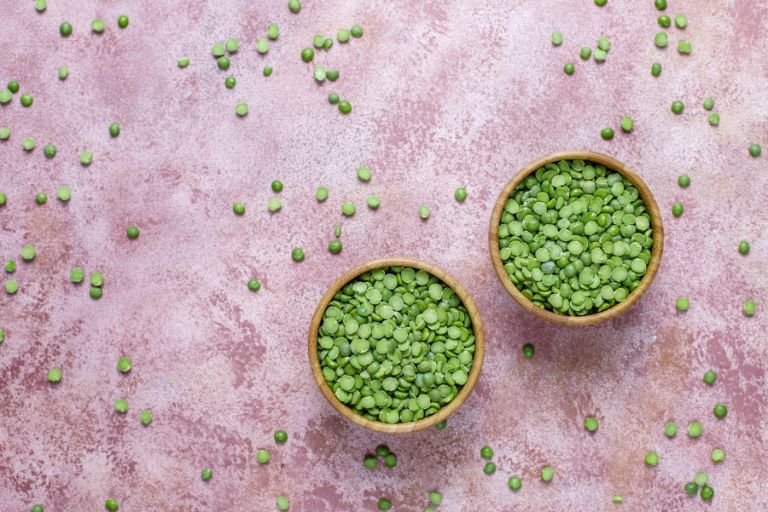
Acid reflux is a common digestive condition where stomach acid flows backward into the esophagus, causing discomfort and a range of symptoms like heartburn, chest pain, and difficulty swallowing. While medications can help manage acid reflux, diet plays a significant role in controlling the condition. Certain foods can exacerbate symptoms, while others may help soothe the digestive system.
This article focuses on answering the question: Are green lentils acidic? Specifically, we’ll explore how green lentils interact with acid reflux, discussing their acidity, nutritional benefits, and how they can affect acid reflux symptoms. As a popular legume, green lentils are often included in many dishes such as soups, stews, and salads.
However, for individuals dealing with acid reflux or gastroesophageal reflux disease (GERD), it’s important to understand whether incorporating these legumes into the diet may cause any adverse effects. In this guide, we’ll break down the relationship between green lentils and acid reflux, providing insight into their acidity, nutritional profile, and their potential impact on heartburn symptoms.
What Are Green Lentils?
Overview of Green Lentils
Green lentils are small, round legumes that come in various shades of green and brown. Known for their mild, earthy flavor and firm texture, green lentils are widely used in cooking around the world. They are an excellent source of plant-based protein, making them a popular choice in vegetarian and vegan diets. Green lentils are also packed with fiber, iron, folate, and essential vitamins, contributing to their reputation as a nutritional powerhouse.
Versatility in Cooking
In the kitchen, green lentils are incredibly versatile. They are often used in soups, stews, salads, and even as a filling for vegetarian patties or burgers. Their ability to retain their shape after cooking makes them ideal for hearty dishes. Green lentils are also quick to cook compared to other legumes, making them a convenient option for busy meals. Beyond their taste and texture, they offer numerous health benefits, including promoting healthy digestion, stabilizing blood sugar levels, and supporting heart health due to their rich nutrient profile.
Are Green Lentils Acidic?
pH Level and Acidity of Green Lentils
When it comes to understanding the acidity of green lentils, it’s essential to look at their pH level. The pH scale measures the acidity or alkalinity of a substance, with a pH of 7 being neutral. Foods that fall below a pH of 7 are considered acidic, while those above are alkaline. Green lentils have a pH level that falls closer to neutral, with a typical range between 6 and 7. This places them on the borderline between slightly acidic and neutral foods.
Comparison with Other Foods
Comparing green lentils to other legumes, they are less acidic than foods like tomatoes or citrus fruits, which are known to trigger acid reflux in some individuals. While green lentils are not highly acidic, it’s important to note that their effect on acid reflux can vary from person to person. Some individuals may find that lentils, due to their fiber content, are more difficult to digest, potentially causing bloating or gas. However, this reaction is more likely related to the fiber content rather than the acidity of the lentils themselves.
General Impact on Acid Reflux Symptoms
In general, green lentils are not considered a highly acidic food and may not significantly worsen acid reflux symptoms for most people. However, it’s always best for individuals with acid reflux to monitor their body’s response when introducing new foods like lentils into their diet, as sensitivity can vary.
Related to Read: Are Brown Lentils Acidic? Impact on Acid Reflux
Green Lentils and Acid Reflux: The Impact
Positive Effects of Green Lentils on Digestion
Green lentils can have both positive and negative effects on individuals with acid reflux or gastroesophageal reflux disease (GERD). While they are not highly acidic, their high fiber content can impact digestion. A recent study at the Journal of Digestive Diseases suggests that for some people with acid reflux, the fiber in lentils can help promote healthy digestion and improve bowel regularity, potentially alleviating symptoms. The soluble fiber found in lentils helps absorb excess stomach acid and promotes the production of beneficial gut bacteria, which can be beneficial for overall digestive health.
Potential Negative Effects: Bloating and Gas
On the other hand, for some individuals, the fiber in green lentils may be too much to handle, leading to discomfort. Lentils can cause bloating, gas, or a feeling of fullness, which may exacerbate acid reflux symptoms in certain cases. It’s also worth noting that lentils, like other legumes, contain oligosaccharides—complex sugars that are difficult to digest and can lead to gas production. This may trigger discomfort or worsen acid reflux in people with a sensitive digestive system.
Portion Size and Digestive Sensitivity
Portion size is also crucial. While a moderate amount of green lentils may not cause problems, consuming large quantities can overwhelm the digestive system, potentially leading to symptoms like heartburn or indigestion. It’s recommended that individuals with acid reflux start with small portions of lentils and gradually increase intake, observing any changes in symptoms. Additionally, combining green lentils with other easily digestible foods, such as leafy greens or lean proteins, may help reduce any digestive discomfort.
Individual Sensitivity Matters
In conclusion, while green lentils are not highly acidic, their impact on acid reflux symptoms can vary depending on individual sensitivity, portion size, and the way they are prepared. For some, green lentils can be a beneficial addition to the diet, while others may need to avoid them to prevent worsening symptoms.
Benefits of Green Lentils for Digestion
High Fiber Content and Digestive Health
Green lentils are not only a great source of protein but also a rich source of dietary fiber, which plays a crucial role in promoting healthy digestion. The high fiber content in green lentils helps regulate bowel movements, prevent constipation, and maintain a healthy gut. Fiber adds bulk to the stool, making it easier to pass through the digestive tract and reducing the risk of digestive issues such as bloating and indigestion.
Support for Gut Health
Moreover, the fiber in green lentils supports gut health by promoting the growth of beneficial bacteria in the intestines. This helps maintain a balanced microbiome, which is essential for optimal digestion and overall well-being. Additionally, soluble fiber found in lentils can absorb excess stomach acid, which may alleviate symptoms of acid reflux by preventing the acid from irritating the esophagus.
Blood Sugar Regulation
Incorporating green lentils into your diet can also help maintain blood sugar levels. The fiber helps slow down the digestion and absorption of carbohydrates, which can prevent rapid spikes in blood sugar. This makes green lentils a good choice for people with diabetes or those looking to maintain stable energy levels throughout the day.
Cooking Tips for Reducing Digestive Discomfort
While green lentils offer significant digestive benefits, it’s important to note that they may cause some bloating or gas in sensitive individuals. However, cooking methods like soaking and thorough boiling can help reduce these digestive discomforts, making them easier to digest for most people.
How to Include Green Lentils in a GERD-Friendly Diet
Soaking and Cooking Methods
Incorporating green lentils into a GERD-friendly diet requires careful preparation to minimize any potential irritation to the digestive system. While green lentils are not highly acidic, their fiber content can be challenging for some individuals with acid reflux. To make green lentils more tolerable for those with GERD, consider the following tips:
- Soaking: Soaking lentils overnight can help reduce their oligosaccharide content, which is known to cause bloating and gas. This can make the lentils easier to digest and may reduce the likelihood of discomfort.
- Cooking Methods: Boiling green lentils thoroughly is crucial for easing digestion. Cooking lentils properly helps break down complex carbohydrates and fiber, making them more digestible. Avoid frying lentils, as this can add unhealthy fats that may trigger acid reflux symptoms.
Portion Sizes and Recipe Ideas
- Portion Sizes: Start with small portions of green lentils to assess how your body responds. Gradually increase the serving size if there are no signs of discomfort. Too large of a portion can overwhelm the digestive system and trigger acid reflux symptoms.
- Recipe Ideas: Lentil soups or stews with mild spices (avoiding acidic ingredients like tomatoes or citrus) are excellent GERD-friendly options. Smooth lentil purées or lentil-based salads can also be gentle on the stomach.
Combining with Other Ingredients
Pair green lentils with easily digestible vegetables, such as spinach or zucchini, and lean proteins like chicken or fish. This combination can create a balanced meal that is less likely to cause irritation to the stomach or esophagus.
Author Tip: 7-Day Meal Plan For Gastritis
Alternatives to Green Lentils for Acid Reflux Sufferers
Softer Lentils and Digestible Legumes
While green lentils are a nutritious choice for many, they may not be the best option for everyone, especially for those with acid reflux. Fortunately, there are several other legumes and foods that are gentler on the digestive system and may be easier to tolerate.
- Red Lentils: These lentils are softer and easier to digest than green lentils, making them a great alternative for individuals with acid reflux. Red lentils are also lower in fiber and less likely to cause bloating or gas.
- Mung Beans: Mung beans are another excellent option. They are easy to digest, packed with protein, and can be used in a variety of dishes, from soups to curries. Mung beans are also known for their ability to support digestion and reduce inflammation.
- Chickpeas: Chickpeas, also known as garbanzo beans, are high in protein and fiber but are typically gentler on the digestive system than green lentils. They can be used in a variety of dishes, including hummus and salads, making them a versatile alternative.
Cooking Techniques for Better Digestion
When selecting alternatives to green lentils, it’s essential to focus on legumes that are lower in fiber or have been prepared in ways that aid digestion. Soaking, boiling, and incorporating these legumes into a well-balanced meal can help ensure they remain GERD-friendly options.
FAQ
- Are green lentils good for acid reflux?
Green lentils are not highly acidic and may be beneficial for digestion, though their high fiber content may cause discomfort for some people with acid reflux.
- Do lentils worsen GERD symptoms?
Green lentils are not typically problematic for GERD sufferers, but portion size and preparation methods should be considered.
- How can I reduce bloating from lentils?
Soaking lentils overnight and thoroughly boiling them can help reduce bloating and gas.
- What are alternatives to green lentils for acid reflux?
Red lentils, mung beans, chickpeas, and black beans are gentler on the digestive system and can be good alternatives.
Conclusion
In conclusion, green lentils are not highly acidic and may not exacerbate acid reflux symptoms for most individuals. Their high fiber content can support healthy digestion and gut health, making them a valuable addition to many diets. However, for people with acid reflux or GERD, green lentils may cause digestive discomfort due to their fiber content and complex sugars. The best approach is to introduce green lentils gradually, in moderate portions, and ensure they are prepared properly by soaking and boiling them thoroughly.
For those with sensitivities, there are several alternatives to green lentils, such as red lentils, mung beans, chickpeas, and black beans, which may be easier to digest and less likely to trigger acid reflux. By incorporating these foods thoughtfully into a balanced, GERD-friendly diet, individuals can enjoy the nutritional benefits of legumes without aggravating acid reflux symptoms.
Ultimately, the key to managing acid reflux is paying attention to portion sizes, preparation methods, and individual responses to different foods, including green lentils.
Related Posts



Subscribe for New Racipies
Get mental health tips, updates, and resources delivered to your inbox.
Better Than S’Mores Mini Cupcakes


I have been wanting to try Biscoff cupcakes for that past week. But I wanted to see what would happen if I tried to turn them into s’mores. The Biscoff is a bit sweeter than a graham cracker, but I though if I used a dark chocolate ganache to fill them, it might balance out the sweetness. What?? Me, make something less sweet?? Ask anyone who knows me and they would think something was wrong. But have no fear, sometimes it’s all worth it in the end. And these absolutely were. Topped with a marshmallow fluff frosting, these puppies came out better than expected, better than a s’mores!

Don’t mind my upside down flour bag. It had a hole in the bottom, so I had put it that way, otherwise that kitchen would look like a snowstorm had passed through.

| For the ganache filling |

filled cupcakes
At this point feel free to take any defect cupcake and pop it into your mouth. It is for quality control purposes only. Since it was late at night when I made the frosting, I forgot to take any pictures.
Of course before I went to bed I had to try one and gave one to my husband to try so I wouldn’t feel so guilty. Oh god, they were delicious. I am glad I made them bite size, the blend of tastes it just perfect. Unfortunately, that just means I will eat more.
Better Than S’Mores Mini Cupcakes
by The Sweet Chick
Prep Time: 20-30 minutes
Cook Time: 10-15 minutes
Keywords: bake dessert biscoff marshmallow fluff chocolate ganache cupcake
Ingredients (24 mini cupcakes)
For the Biscoff Cupcakes
- 1 cup all-purpose flour
- 1 cup granulated sugar
- 1/2 teaspoon kosher salt
- 1/2 teaspoon baking soda
- 1/2 cup canola oil
- 1/2 cup sour cream
- 1/2 cup Biscoff spread
- 2 large eggs
- 2 teaspoons pure vanilla extract
For the Chocolate Ganache Filling
- 12 ounces chocolate, chopped into small pieces (I used a 3.5oz bar of Lindt dark chocolate and about 3/4 of a 12 oz bag of semi-sweet chocolate chips)
- 1 cup heavy cream
For the Marshmallow Fluff Frosting
- 1/2 stick butter, softened
- 2 cups marshmallow fluff
- 2 cups powdered sugar
- 1 teaspoon vanilla
- 1 tablespoon Wilton meringue powder
- 2-3 tablespoons milk
Instructions
For the Biscoff Cupcakes
Preheat the oven to 350º F and fill muffin tin with cupcake liners.
Place flour, sugar, salt and baking soda into a large bowl, mix to combine. Set aside.
In a stand mixer or using a hand mixer, place oil, sour cream, Biscoff spread, eggs and vanilla into the bowl and mix on medium speed until well incorporated. Slowly add dry ingredients and mix thoroughly, about 30 seconds. Spoon batter into prepared mini cupcake liners about 3/4 full. Bake for 10-15 or until toothpick inserted in center comes out dry. Remove and let cool completely.
(For regular sized cupcakes, bake 18-22 minutes).
Recipe by healthyfoodforliving.com/recipes
For the Chocolate Ganache Filling
Place chocolate pieces in a large bowl.
Heat heavy cream on medium high until it comes to a boil. Remove from heat and immediately pour cream over chocolate and stir until completely mixed and glossy.
Allow ganache to cool. The longer you allow the ganache to cool, the thicker it will set. You can place it in the fridge to cool faster. The ganache needs to be completely cooled before piping it in the cupcakes.
While the ganache is cooling cut a hole in the middle of each cupcake and scoop out the center (not all the way to the bottom). I used a vegetable peeler, but you can also try a apple corer.
With a frosting piping bag or a plastic freezer bag with tip cut off, pipe the ganache filling into each cupcake and place back in the fridge.
Recipe by https://www.healthyfoodforliving.com/recipes/
For the Marshmallow Fluff Frosting
In a stand up mixer or using a hand mixer, blend butter and marshmallow fluff until smooth.
Sift in confectioners’ sugar and meringue powder and beat on low speed.
Add vanilla and milk and increase speed to high. Beat for 1 minute.
Using a frosting piping bag and your favorite tip, frost each cupcake and place back in fridge to set.
Recipe by The Sweet Chick
Related Posts





Subscribe for New Racipies
Get mental health tips, updates, and resources delivered to your inbox.