Are Pumpkin Seeds Safe for Acid Reflux?
Acid reflux is a common digestive condition that affects millions worldwide. Understanding how specific foods influence acid reflux is critical for managing symptoms and improving quality of life.
Among the many foods often debated, pumpkin seeds have gained popularity for their nutritional benefits. But are they safe for acid reflux sufferers? This article dives deep into the science behind pumpkin seeds and their effects on acid reflux.
What Is Acid Reflux?
Acid reflux occurs when stomach acid flows back into the esophagus, causing discomfort and a burning sensation, commonly referred to as heartburn.
This condition is a result of the weakening or dysfunction of the lower esophageal sphincter (LES), a muscle that acts as a valve between the stomach and esophagus. When the LES doesn’t close properly, stomach contents escape, leading to acid reflux.
Common Symptoms
The symptoms of acid reflux vary, but often include:
- A burning sensation in the chest (heartburn).
- Regurgitation of food or sour liquid.
- Difficulty swallowing.
- Chronic cough or throat irritation.
- A feeling of a lump in the throat.
While occasional acid reflux is normal, frequent symptoms may indicate gastroesophageal reflux disease (GERD), which requires medical attention.
Causes and Triggers
Several factors can contribute to acid reflux, including:
- Overeating or consuming large meals.
- High-fat or spicy foods.
- Caffeinated or carbonated beverages.
- Obesity or pregnancy, which increases abdominal pressure.
- Smoking and alcohol consumption.
- Certain medications, like NSAIDs.
Dietary choices play a significant role in managing acid reflux, making it crucial to evaluate specific foods like pumpkin seeds.
Nutritional Profile of Pumpkin Seeds
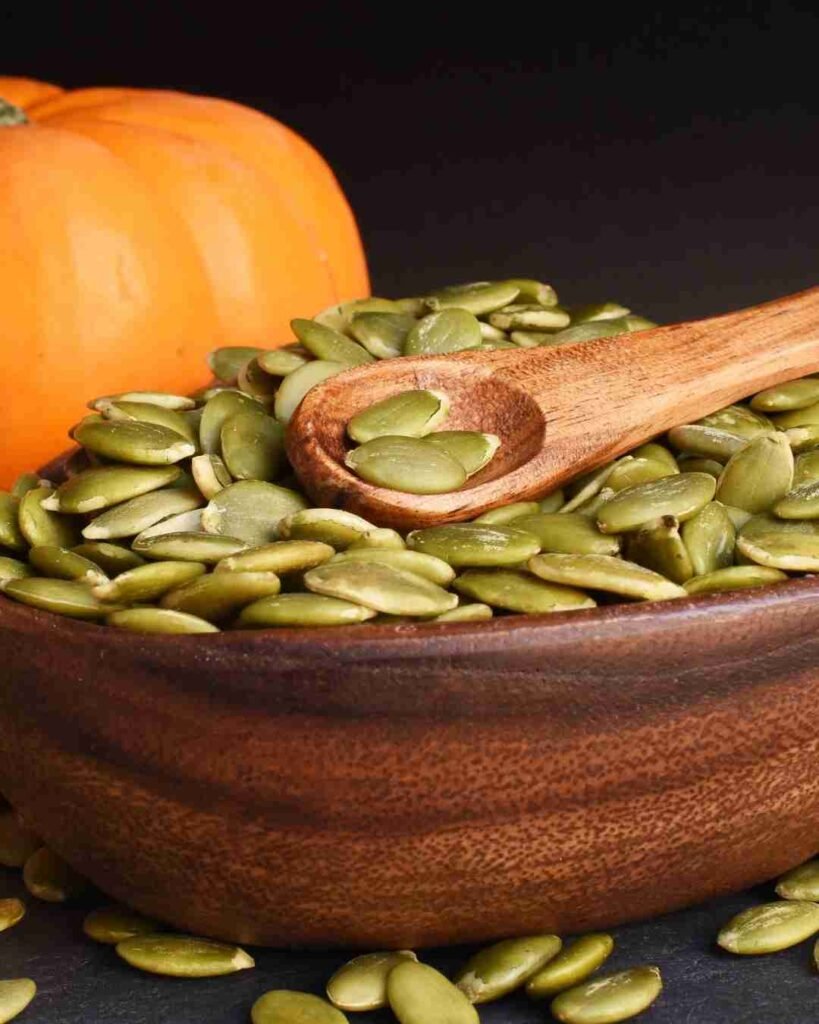
Key Nutrients in Pumpkin Seeds
Pumpkin seeds, also known as pepitas, are nutrient-dense and packed with essential vitamins and minerals. They contain:
- Healthy Fats: Primarily unsaturated fats, including omega-3 and omega-6 fatty acids.
- Protein: A good source of plant-based protein.
- Minerals: High levels of magnesium, zinc, potassium, and iron.
- Vitamins: Vitamin E, B vitamins, and antioxidants.
- Fiber: Supports digestive health.
Benefits of Pumpkin Seeds for Overall Health
Pumpkin seeds are celebrated for their numerous health benefits:
- Heart Health: Rich in healthy fats and magnesium, they promote cardiovascular health.
- Immune Support: High zinc content strengthens immunity.
- Bone Health: Magnesium and phosphorus contribute to strong bones.
- Antioxidant Properties: Reduce inflammation and combat oxidative stress.
- Improved Sleep: Contains tryptophan, which helps regulate sleep patterns.
Given their impressive nutritional profile, pumpkin seeds are often labeled as a superfood. However, their safety for acid reflux sufferers requires a closer look.
How Pumpkin Seeds May Affect Acid Reflux?
High Fat Content and Its Implications
Pumpkin seeds are rich in fats, with approximately 13 grams of fat per ounce. While these are primarily healthy fats, high-fat foods can relax the LES, making acid reflux worse for some individuals. This relaxation allows stomach acid to flow back into the esophagus, triggering symptoms like heartburn.
Potential Alkalizing Effect
Interestingly, pumpkin seeds have a mildly alkalizing effect on the body. Alkaline foods can help neutralize stomach acid and reduce reflux symptoms. However, this effect varies based on the individual’s overall diet and how the seeds are consumed.
Fiber Content and Digestion
Pumpkin seeds are a good source of dietary fiber, which supports healthy digestion and prevents constipation—a potential trigger for acid reflux. However, excessive fiber intake can sometimes lead to bloating or gas, which may exacerbate reflux in sensitive individuals.
Author Tip: Is Pumpkin Soup Acidic?
Are Pumpkin Seeds Safe for Acid Reflux Sufferers?
When Pumpkin Seeds Might Aggravate Symptoms?
Pumpkin seeds may worsen acid reflux symptoms in the following scenarios:
- Overconsumption: Eating large quantities can increase fat intake and put pressure on the LES.
- Roasted or Salted Seeds: Added oils and high sodium levels may irritate the stomach lining.
- Timing of Consumption: Eating seeds late at night or before lying down can trigger reflux.
Situations Where Pumpkin Seeds May Be Beneficial
Despite potential risks, pumpkin seeds can be beneficial for acid reflux sufferers when consumed:
- In small portions.
- Raw or lightly roasted without added oils or spices.
- Alongside alkaline or low-fat foods to balance acidity.
Related to Read: Is Pumpkin Puree Acidic?
Tips for Consuming Pumpkin Seeds Safely
Portion Control
Moderation is key. Limit consumption to a small handful (about 1 ounce) to avoid overloading the digestive system with fats or fiber.
Preparation Methods to Reduce Triggers
Opt for raw, unsalted pumpkin seeds or lightly roast them at home without added oils. Avoid pre-packaged seeds that are heavily seasoned or fried.
Pairing Pumpkin Seeds with Acid-Neutralizing Foods
Combine pumpkin seeds with foods like oatmeal, bananas, or yogurt, which have a soothing effect on the stomach. This pairing can help mitigate potential triggers.
Alternative Snacks for People with Acid Reflux
Low-Fat Options
Snacks like rice cakes, applesauce, or plain crackers are gentle on the stomach and unlikely to trigger reflux.
Alkaline-Rich Foods
Foods like cucumbers, melons, and leafy greens can help neutralize stomach acid, providing relief from reflux symptoms.
Lifestyle Changes to Manage Acid Reflux
Eating Habits
Adopt habits like eating smaller, more frequent meals, chewing food thoroughly, and avoiding meals close to bedtime.
Avoiding Common Triggers
Steer clear of known irritants such as caffeine, spicy foods, and carbonated beverages. Monitor your diet to identify personal triggers.
Importance of Maintaining a Healthy Weight
Excess weight can increase abdominal pressure, exacerbating acid reflux. A balanced diet and regular exercise can help maintain a healthy weight.
Expert Opinions and Research on Pumpkin Seeds and Acid Reflux
Studies on Seeds and Digestive Health
Research on seeds and their impact on digestion highlights the benefits of fiber and healthy fats for gut health. However, evidence specific to pumpkin seeds and acid reflux is limited, requiring more studies for conclusive recommendations.
Recommendations from Nutritionists
Many nutritionists suggest moderation when consuming seeds, including pumpkin seeds, for individuals with acid reflux. Pairing them with other reflux-friendly foods is often advised.
Recipes: Pumpkin Recipes
Pumpkin Spice Crepes with a Cinnamon Mascarpone Filling
Pumpkin Soynut Butter Chocolate Chip Cookies
Pumpkin Dulce de Leche Chocolate Chip Cookies
Conclusion
So, are pumpkin seeds safe for acid reflux sufferers? The answer depends on how they’re consumed and individual tolerance. While their high-fat content may trigger symptoms in some, their alkalizing and fiber properties can benefit others.
Moderation, preparation methods, and mindful eating are essential for safely incorporating pumpkin seeds into a reflux-friendly diet.
Managing acid reflux also involves adopting a healthy lifestyle, avoiding common triggers, and consulting with healthcare professionals for personalized advice.
FAQs
Are roasted pumpkin seeds better or worse for acid reflux?
Roasted pumpkin seeds, especially those with added oils or seasonings, may worsen acid reflux symptoms. Opt for raw or lightly roasted seeds without additives.
Can eating too many pumpkin seeds worsen acid reflux?
Yes, overconsumption can increase fat intake, which may relax the LES and trigger symptoms.
Do pumpkin seeds help with digestion?
Pumpkin seeds are rich in fiber, which supports digestion. However, excessive fiber may cause bloating, potentially aggravating reflux.
Are there any specific seeds better suited for acid reflux?
Chia and flaxseeds are low in fat and high in omega-3s, making them a better option for acid reflux sufferers.
Should I avoid all seeds if I have acid reflux?
Not necessarily. Start with small portions and monitor your body’s response. Choose seeds with low fat and minimal preparation.
Is Celery Acidic? Celery for Acid Reflux: Good or Bad?

Celery, a staple in many diets, is widely recognized for its crunch, low calorie count, and health benefits. But for those suffering from acid reflux or GERD (gastroesophageal reflux disease), the question arises: “Is celery acidic? Is celery for acid reflux a good choice or a potential trigger?” In this article, we will dive into the pH level of celery, its potential effects on acid reflux, and how to incorporate it into a reflux-friendly diet. By the end, you’ll have a clear understanding of whether celery can be your ally in managing acid reflux.
Is Celery Acidic? Understanding Its pH Level
Celery is classified as an alkaline food, with a pH level ranging from 5.7 to 6.0. While not as alkaline as some other vegetables, celery is still considered a low-acid option. Here’s a quick comparison:
| Food Item | pH Range | Acidity Level |
| Celery | 5.7–6.0 | Low Acid/Neutral |
| Spinach | 6.5–7.0 | Alkaline |
| Cucumber | 6.0–7.0 | Alkaline |
| Tomatoes | 4.0–4.6 | Alkaline |
Celery’s alkaline nature makes it a popular choice for individuals looking to balance their diet and reduce acidity. Its ability to help neutralize stomach acid has made it a go-to food for those managing acid reflux.
Related to Read: Is Bok Choy Safe for Acid Reflux?
Nutritional Benefits of Celery: A Powerhouse of Health
Celery isn’t just about its alkalinity; it’s a nutrient-rich vegetable offering numerous health benefits:
- High Water Content: With over 95% water, celery keeps you hydrated and aids in digestion.
- Rich in Antioxidants: Contains flavonoids, beta carotene, and vitamin C, which combat oxidative stress.
- Dietary Fiber: Promotes gut health and regular bowel movements.
- Low in Calories: A perfect snack for those looking to manage their weight.
- Anti-Inflammatory Properties: Contains phytonutrients that may reduce inflammation in the body.
Can Celery Help with Acid Reflux? Exploring Its Impact
Celery is often recommended as a reflux-friendly food due to its alkalinity and digestive benefits. Here’s how celery might help:
1. Neutralizes Stomach Acid
The alkaline nature of celery can help balance stomach acid levels, reducing the likelihood of acid reflux symptoms.
2. Supports Digestion
Celery’s fiber content aids in smooth digestion, preventing issues like bloating and indigestion that can exacerbate acid reflux.
3. Low-Fat Content
High-fat foods can trigger acid reflux by relaxing the lower esophageal sphincter (LES). Celery, being naturally low in fat, avoids this problem.
4. Hydration
The high water content in celery helps dilute stomach acid, potentially preventing reflux episodes.
Related to Read: Is Cabbage Juice Acidic?
How to Include Celery in a Reflux-Friendly Diet?
To maximize celery’s benefits while minimizing any potential discomfort, consider these tips:
1. Eat It Raw
Raw celery retains its crunch, nutrients, and alkalinity. Pair it with a reflux-safe dip like hummus.
2. Add to Smoothies
Blend celery with alkaline fruits like bananas and spinach for a refreshing, reflux-friendly smoothie.
3. Incorporate into Soups
Cooking celery in low-acid soups can make it easier to digest without compromising its benefits.
4. Avoid High-Acid Pairings
Skip pairing celery with acidic ingredients like tomatoes or citrus-based dressings.
5. Drink Celery Juice
While slightly less fiber-rich, celery juice is another way to enjoy its alkalinity. Start with small servings to gauge your tolerance.
Author Tip: 7-Day Meal Plan For Gastritis
Potential Risks of Celery for Acid Reflux
Though celery is generally well-tolerated, it’s not entirely risk-free:
- Bloating: Excessive consumption may cause bloating in sensitive individuals.
- Allergic Reactions: Rarely, celery can trigger allergic responses in some people.
- Pesticide Residue: Opt for organic celery or wash thoroughly to avoid exposure to pesticides.
Author Tip: 7 Kinds of Foods to Avoid with GERD
Celery vs. Other Vegetables for Acid Reflux
How does celery compare to other vegetables in managing acid reflux?
| Vegetable | Acidity Level | Reflux-Friendly |
| Celery | Low Acid | Yes |
| Spinach | Alkaline | Yes |
| Broccoli | Alkaline | Yes |
| Onions | Acidic | No |
Celery stands out as a versatile, reflux-friendly vegetable, suitable for most diets.
Related to Read: Are Broccoli Acidic?
FAQs About Celery and Acid Reflux
1. Is celery good for acid reflux?
Yes, celery is alkaline and can help neutralize stomach acid, making it a good choice for acid reflux sufferers.
2. Can celery juice worsen acid reflux?
Unlikely, but individual tolerances vary. Start with small amounts to ensure it doesn’t trigger symptoms.
3. How much celery should I eat daily for acid reflux?
Aim for 1–2 stalks or half a cup of chopped celery daily as part of a balanced diet.
4. Are cooked celery and raw celery equally beneficial?
Both forms are beneficial, but cooking celery can make it easier to digest for some people.
5. Can celery replace medication for acid reflux?
While celery may alleviate symptoms, it’s not a substitute for prescribed medication. Always consult a healthcare provider for severe or persistent reflux.
Conclusion: Is Celery a Good Choice for Acid Reflux?
Celery’s low acidity, high water content, and digestive benefits make it an excellent option for managing acid reflux. Its versatility allows for easy incorporation into various meals, whether raw, cooked, or juiced. While individual results may vary, most people with acid reflux can enjoy celery without concern. By adding celery to your diet mindfully, you can take a step toward better digestive health and overall well-being.