
Are Pumpkin Seeds Good for GERD?

Medically reviewed by Aneeza Pervez Updated Date: January 1, 2026

Introduction to GERD and Diet
Gastroesophageal reflux disease (GERD) is a chronic condition where stomach acid flows back into the esophagus, causing discomfort like heartburn, regurgitation, and even chest pain. Diet plays a crucial role in managing GERD symptoms. Anyhow, are pumpkin seeds good for GERD?
Foods that are low in acidity, rich in healthy fats, and easy to digest are generally recommended for those suffering from GERD. Among such foods, pumpkin seeds have garnered attention for their potential benefits.
But are pumpkin seeds actually good for GERD? Let’s dive deeper to understand their nutritional profile, effects on digestion, and how they can be incorporated into a GERD-friendly diet.
Nutritional Profile of Pumpkin Seeds
Pumpkin seeds, also called pepitas, are nutrient-dense powerhouses packed with essential vitamins, minerals, and other compounds. Here’s a breakdown of what they offer per 1-ounce serving:
- Healthy Fats: Rich in unsaturated fats, especially omega-3 and omega-6 fatty acids, which can reduce inflammation.
- Protein: Contains about 7 grams of protein, aiding muscle repair and satiety.
- Magnesium: Essential for muscle relaxation and digestive health.
- Zinc: Supports immune function and reduces inflammation.
- Fiber: Promotes gut health and regular digestion.
- Antioxidants: Includes vitamin E and phenolic compounds that fight oxidative stress.
This nutrient profile makes pumpkin seeds a great addition to a balanced diet, but how do they interact with GERD symptoms?
Pumpkin Seeds and GERD
Are Pumpkin Seeds Acidic or Alkaline?
Pumpkin seeds have a near-neutral pH, making them less likely to trigger acid reflux compared to more acidic foods. Additionally, their high magnesium content may help regulate stomach acid production, providing relief from GERD symptoms.
How Pumpkin Seeds May Help with GERD?
- Soothing Healthy Fats: The unsaturated fats in pumpkin seeds can help coat and protect the stomach lining, potentially reducing irritation.
- Anti-inflammatory Effects: Chronic inflammation can worsen GERD symptoms, and the antioxidants in pumpkin seeds may help combat this.
- Digestive Support: Pumpkin seeds are rich in fiber, which can support digestion and prevent bloating or other digestive discomforts.
Potential Concerns
While pumpkin seeds are generally well-tolerated, overeating them might lead to issues for GERD sufferers:
- High-Fat Content: Though healthy, excessive fat intake can slow digestion and trigger reflux.
- Portion Size: Overeating any food can put pressure on the stomach, leading to acid reflux symptoms.
Author Tip: Are Pumpkin Seeds Safe for Acid Reflux?
Are Pumpkin Soups Safe for Acid Reflux?
How to Incorporate Pumpkin Seeds into a GERD-Friendly Diet?
To make pumpkin seeds a part of your GERD management plan, consider these tips:
Choose Plain or Lightly Roasted Seeds
Avoid heavily salted, spiced, or fried pumpkin seeds, as these additives can irritate the esophagus or increase stomach acidity.
Moderate Portion Sizes
Stick to about 1 ounce (a small handful) per serving to avoid overloading your digestive system.
Pair with Non-Acidic Foods
Combine pumpkin seeds with alkaline or low-acid foods like oatmeal, bananas, or leafy greens to create GERD-friendly meals or snacks.
Timing of Consumption
Eat pumpkin seeds as part of a main meal rather than as a late-night snack. Eating before bedtime can exacerbate GERD symptoms.
Pumpkin Seed Recipes for GERD
Seed Smoothie Bowl
- Ingredients: Almond milk, banana, spinach, a handful of pumpkin seeds, and a dash of cinnamon.
- Blend the ingredients for a creamy, reflux-friendly breakfast or snack.
Pumpkin Seed Salad Topping
- Sprinkle lightly roasted pumpkin seeds over a salad of mixed greens, cucumbers, and olive oil for added crunch and nutrition.
Homemade Pumpkin Seed Butter
- Blend plain, roasted pumpkin seeds until creamy. Use it as a spread on whole-grain toast or mix it into oatmeal for a GERD-safe option.
Related to Read: Are Salads Healthy?
Conclusion
Pumpkin seeds can be a beneficial addition to a GERD-friendly diet when consumed in moderation. Their near-neutral pH, healthy fats, and anti-inflammatory properties make them less likely to trigger reflux symptoms. However, mindful portion control and preparation methods are essential to ensure they are safe and effective for managing GERD.
FAQs
Are pumpkin seeds acidic or alkaline?
Pumpkin seeds are near-neutral in pH, making them a good choice for those managing GERD symptoms.
How many pumpkin seeds can I eat with GERD?
Stick to about 1 ounce (a small handful) per serving to avoid overloading your stomach.
Can roasted pumpkin seeds worsen acid reflux?
Lightly roasted seeds are generally safe, but avoid heavily spiced or salted varieties that can irritate the esophagus.
What is the best way to consume pumpkin seeds for GERD?
Pair them with non-acidic foods like oatmeal or salads and consume them as part of a main meal.
Can pumpkin seeds replace other snacks for GERD sufferers?
Yes, they can be a healthier alternative to processed snacks when prepared and consumed correctly.
Related Posts


Subscribe for New Racipies
Get mental health tips, updates, and resources delivered to your inbox.
Pepe’s Cafe Key Lime Pie

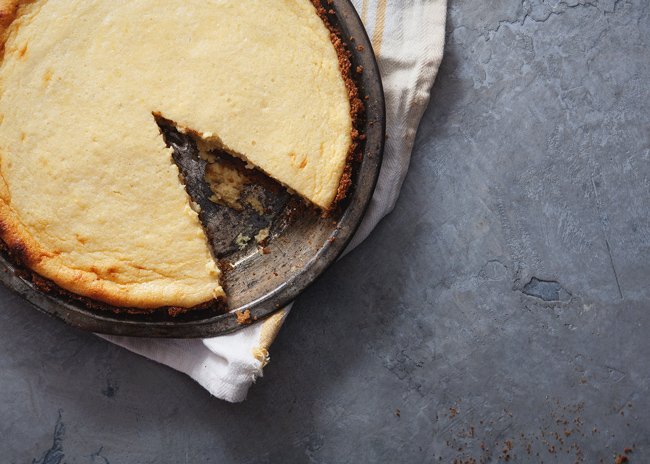
Until Chris met me, he had never eaten a cherry tomato. Astounded upon learning this fact, I felt the need to remedy it immediately–he didn’t know what he was missing out on!—so I took him to the nearest Safeway where we bought a little prepackaged bagful. When we got back, I insisted he eat one straight away, right out of the package. I didn’t think one unwashed tomato would kill him, and I was sure he would fall in love straight away. Instead, he got food poisoning.
He has since let this incident go, which I think is very gracious of him considering the fact that I continue to guilt him into eating foods he has no interest in trying. I guess I have this underlying belief that I know better than him, at least in matters of the palate. That my refined tastebuds trump his any old day, that his will become elevated through my influence. Bombastic, sure, but we’re talking about a guy who didn’t eat his first cherry tomato until he was in college. Enough said, right?

I think I’ve mentioned that I dislike citrus-flavored baked goods, right? Besides this (like I said, Meyer lemons are in a league of their own), I’ve never met a citrus-y dessert that didn’t taste like a cough drop.
But last week, a bag of key limes fell in my lap, and I took it as a sign that it was finally time to tackle a classic that I’d never before tried: key lime pie. If you’d seen the limes, you, too, might have wanted to do something with them right away. They are so cute! Like toy dog versions of regular limes, except I know a lot of you don’t like toy dogs, and I normally can’t stand them either except I watched Seven Psychopaths recently and Bonny the shih tzu stole my heart.
I knew I was taking a major risk, but sometimes denial gets the better of me. After all, isn’t key lime pie a thing? Aren’t people fanatical about it? Maybe there was something more amazing than amazing about it that would sway my food prejudices.
Chris, on the other hand, took the realistic approach. “Don’t make it. You won’t like it, and I don’t want you to force it on me.”
I plowed ahead anyway. An afternoon later, the pie was ready.
I took it out of the fridge. It looked lemon-y. I smelled it. It smelled lemon-y. I started feeling uneasy.
In the end, with great hesitation, I ate a slice. It was… disappointingly citrus-y, tasting like every other citrus dessert I’ve ever eaten. But then, the flavor sort of, I don’t know, mellowed out, and distinguished itself. The lime emerged, cool, invigorating. It went fantastically with the graham cracker crust, a pairing that legitimized its taste. With whipped cream for the finishing touch, the whole experience was luscious but understated. The sugary-tart foretaste never diminished, unfortunately, but for a lot of you, that’s a good thing.
Chris’s turn. I showed him a bite to try, and his face twisted into simultaneous disgust, fear, and suspicion. It’s so hard to get one past him these days, I tell you! But he relented, and took a tentative bite.
“Do you like it?” I asked. “It’s not bad, right?”
“I don’t like it,” he said. And that was that.
In the end, even in the face of Chris’s rejection, I ate way more slices than I care to admit. I’m pretty sure you’d call that a breakthrough!

PEPE’S CAFE KEY LIME PIE
Adapted from Epicurious
Makes one 9-inch pie
Another reason I wanted to make this pie was because of this article. It’s fascinating! I love food history! Also, in case you’re wondering, Pepe’s Cafe is a cafe in the Florida Keys, quite an establishment I take it, that serves a very classic version of this pie. It’s always good to start with the classics.
Ingredients:
1-1/2 cups graham cracker crumbs
1/4 cup sugar
3/4 tsp ground cinnamon
1/4 tsp ground cardamom
5 tablespoons unsalted butter, melted
2 large egg whites
4 large egg yolks
1 (14-ounce) can sweetened condensed milk
1/2 cup Key lime juice (I must’ve squeezed 20 of these suckers)
Whipped cream to serve
Directions:
Preheat oven to 350 degrees F.
Make the graham cracker crust: Combine the graham cracker crumbs, sugar, cinnamon, and cardamom in a medium bowl. Stir in the melted butter until well-combined. Press the mixture evenly in a 9-inch pie tin. Bake for about 10 minutes, until golden brown. Let cool and set aside.
Make the filling: In the bowl of a stand mixer with the whisk attachment, beat the egg whites until stiff peaks form. In a large mixing bowl, whisk together the yolks and condensed milk. Add the lime juice and whisk until combined. Gently fold in about half of the whipped egg whites, then fold in the other half, stirring until just evenly combined.
Pour the mixture into the graham cracker crust and bake until set, about 20 minutes. Remove from oven, cool, then let cool further in the fridge for about 2 hours.
Serve with whipped cream if desired (whip together about 1 cup heavy cream, a few Tbsp powdered sugar, and a dribble of vanilla extract).
Related Posts



Subscribe for New Racipies
Get mental health tips, updates, and resources delivered to your inbox.