Blood Orange Cinnamon Lassi
My college town was THE college town. I mean it. A lot of people owe Berkeley, California, for flinging them into a culturalpoliticalacademicculinary hodgepodge of straight-up bewilderingspectacularkaleidoscopic sights and sounds. It was and still is THE proverbial melting pot, a beacon calling in people of all patterns: stripes, spots, solids, Pollock-esque splatters. It was uniquely welcoming. Once you’d been asked for spare change by a homeless person, you were IN.
See, California’s incredibly diverse, yeah? But it’s also enormous, the size of a small country or thereabouts, and the thing about ethnic groups is that they like to stick together. A lot. Case in point: my high school was approximately 70% Asian. Like dark chocolate, except far less exceptional. (Well, technically, we were exceptional, but in that highest-SAT-scores-in-the-nation-blah-blah-bland-yawn kind of way.)
The reason I’m mentioning this is because it relates to my first experience eating Indian food, which coincided with the first month of being off to college. My friend picked out the restaurant, a mere five minute walk away from the dorms, on Telegraph Avenue.
For the uninitiated, Telegraph Avenue, even only a decade back (I swear I’m not as old as I sound!), was a veritable bazaar of hole-in-the-wall. It had this timeless quality to it: an ancient Rexall’s featured prominently across the street from campus, tourist shops still capitalizing off of Berkeley’s 60′s heyday (free speech anyone?), smoke dens, forgettable sports bars, and establishments like Blondie’s (pizza), Amoeba (records), and Moe’s (books!). Everything was a little scrummy, a little unsavory; you’d catch the occasional whiff of psychedelic substances all along its way. It was what I loved so much about Berkeley actually, the unpolished, the imperfect.
And the Indian restaurant was no exception. Not fine dining by any stretch of the word, the memory of that meal is still tinged with the rose-tinted gloss of Life-Changing Dining Experience. Why so important? From my vantage point now, the food would probably have been deemed mediocre at best.
Because there I was, still green around the collar, fresh out of the nest—a nest, mind you, where I’d dutifully eaten Chinese food nearly every single day of my life (rounded out with mostly fast food)—trying to make sense of a menu full of aloo this’s and vindaloo that’s. It was exhilarating.
Since then, I’ve had the pleasure of experiencing many echelons of south Asian food. But it all started with that meal. In the heart of Berkeley.

I actually didn’t try mango lassi until a few meals later, but it was a bit of an “oh my god, what the F is this?!” experience in its own right. Not life-altering, but a smaller explosion. I don’t order it very often, but it’s a treat I try not to deprive myself of too often.
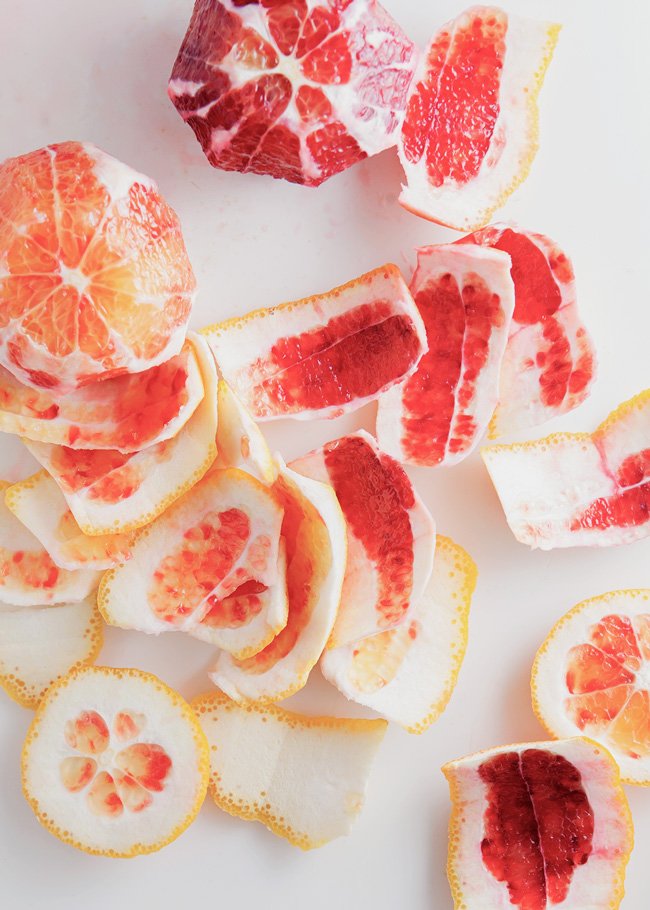
This blood orange cinnamon lassi is probably the best alternative I’ve ever tried to its more popular counterpart (although this sounds, well, absolutely stunning actually). It’s sexier, if you can imagine a sexy yogurt beverage. It’s understated. Mere suggestion, fathomless depths. I like it a lot, and I think the cinnamon and orange play very nicely off each other, a seamless union. But, just like Berkeley, you’ll have to try it for yourself to see what I mean.
BLOOD ORANGE CINNAMON LASSI
Makes 1 serving
Adapted from Martha Stewart
Ingredients:
- 1 blood orange
- 1 cup plain yogurt
- 1 Tbsp honey
- pinch cinnamon
Directions:
Peel blood oranges and separate segments from membranes, dropping segments in a blender (or cup, if using immersion blender). Blend with the rest of the ingredients and pour contents in a cup. Feel free to garnish with more cinnamon if desired. I am doing a public service by not enabling any breaking of weight loss resolutions (don’t want that on my shoulders!), so ENJOY!
Are Baby Carrots Acidic? Baby Carrots and Acid Reflux

When managing acid reflux, choosing the right foods is critical to avoiding uncomfortable symptoms like heartburn and regurgitation. If you enjoy snacking on baby carrots, you may wonder: Are baby carrots acidic, and can they fit into an acid reflux-friendly diet?
Baby carrots are a great choice for managing acid reflux because they are low in acid, low in calories, and high in fiber. Additionally, they are a healthy snack that is easy to prepare and eat.
This article dives into the acidity of baby carrots, their nutritional profile, and their potential role in managing acid reflux.
Understanding Baby Carrots
Baby carrots are small, tender carrots that are either naturally grown to be small or cut and shaped from larger carrots. They are prized for their convenience, sweetness, and crunch. Like regular carrots, they are packed with essential nutrients that make them a healthy choice for most diets.
Baby carrots are also low in calories and high in fiber, making them a great snack for those looking to watch their weight. They are also relatively inexpensive and easy to find in most grocery stores.
Author Tip: Are Carrots Good for You?
Are Baby Carrots Acidic?
To answer whether baby carrots are acidic, we need to consider their pH level:
- pH Level of Baby Carrots: Baby carrots have a pH level of around 5 to 6, placing them in the mildly acidic to neutral range. This makes them less acidic compared to many fruits and vegetables, such as tomatoes or citrus fruits.
- Alkaline-Forming in the Body: Despite their mild acidity, carrots are often considered alkaline-forming after digestion. This means they can help balance your body’s pH levels and potentially soothe acid reflux symptoms.
Related to Read: Are Carrot Sticks Acidic?
Nutritional Benefits of Baby Carrots
Baby carrots are a nutrient powerhouse and can provide numerous health benefits, including support for acid reflux management:
1. Rich in Fiber
Fiber aids digestion by promoting regular bowel movements and preventing constipation, which can worsen acid reflux by increasing abdominal pressure. Baby carrots are an excellent source of dietary fiber. Research suggest that fiber is very beneficial for stomach health.
2. High in Vitamin A
Carrots are rich in beta-carotene, which the body converts to vitamin A. This nutrient supports healthy mucous membranes, including the lining of the esophagus, which can be irritated by acid reflux.
3. Low Calorie and Low Fat
Baby carrots are naturally low in calories and fat, making them a light snack that doesn’t put additional strain on the digestive system or trigger reflux symptoms.
4. Hydrating Properties
Baby carrots have a high water content, which can help dilute stomach acid and reduce the likelihood of acid reflux episodes.
Can Baby Carrots Trigger Acid Reflux?
Although baby carrots are generally considered safe and beneficial for those with acid reflux, individual reactions can vary. Here are some factors to keep in mind:
- Portion Size: Eating a large quantity of baby carrots in one sitting may cause bloating or stomach discomfort, which could worsen acid reflux.
- Raw vs. Cooked: Raw baby carrots are crunchy and fibrous, which may be harder to digest for some individuals. Steaming or boiling them can make them gentler on the stomach.
- Acidity Tolerance: While mildly acidic, baby carrots are unlikely to trigger reflux in most people. However, those with severe acid reflux should monitor their symptoms after consumption.
How to Incorporate Baby Carrots into an Acid Reflux-Friendly Diet
Baby carrots can be a versatile addition to your meals or snacks. Here are some tips to enjoy them while minimizing the risk of acid reflux:
1. Snack on Raw or Steamed Carrots
Enjoy baby carrots as a snack on their own or with a reflux-friendly dip like hummus. Steamed carrots are an even gentler option for those with sensitive stomachs.
2. Add to Soups and Stews
Incorporate baby carrots into soups, stews, or broths for added nutrition and flavor. Cooking them softens their texture and makes them easier to digest.
3. Blend into Smoothies
For a nutrient-packed smoothie, blend baby carrots with alkaline fruits like bananas or melons. This can create a refreshing and reflux-friendly drink.
4. Include in Salads
Shred or chop baby carrots into salads made with leafy greens and a light, non-acidic dressing.
Other Reflux-Friendly Vegetables to Pair with Baby Carrots
Pairing baby carrots with other low-acid vegetables can further enhance your diet. Consider adding:
Foods to Avoid When Eating Baby Carrots
To prevent acid reflux, avoid combining baby carrots with common trigger foods such as:
- Spicy dips or sauces
- Acidic dressings, like vinegar-based options
- High-fat dips, such as creamy cheese-based spreads
- Carbonated beverages
Author Tip: 7 Kinds of Foods to Avoid with GERD
Lifestyle Tips for Managing Acid Reflux
In addition to choosing the right foods, consider these tips to manage acid reflux effectively:
- Eat Smaller Meals: Large meals can increase pressure on the lower esophageal sphincter (LES).
- Chew Thoroughly: Take your time to chew baby carrots and other foods well to aid digestion.
- Stay Upright After Eating: Avoid lying down for at least 2-3 hours after meals.
- Elevate Your Head During Sleep: Use a wedge pillow to prevent acid from rising during the night.
- Maintain a Healthy Weight: Excess weight can put pressure on the LES, worsening acid reflux.
Frequently Asked Questions
1. Can baby carrots cure acid reflux?
Baby carrots cannot cure acid reflux but can be part of a balanced diet that helps manage symptoms. Their fiber and low acidity make them a supportive food choice.
2. Are baby carrots better than regular carrots for acid reflux?
Nutritionally, baby carrots and regular carrots are very similar. Both can be included in an acid reflux-friendly diet, and the choice depends on personal preference.
3. How many baby carrots can I eat if I have acid reflux?
Moderation is key. Start with a small serving, such as 5-10 baby carrots, and observe how your body reacts. Gradually increase the portion if tolerated well.
Conclusion: Are Baby Carrots Acidic?
Baby carrots are mildly acidic but generally considered safe and beneficial for individuals with acid reflux. Their low acidity, high fiber content, and nutrient-rich profile make them an excellent choice for snacking or incorporating into meals. By preparing baby carrots in reflux-friendly ways and being mindful of portion sizes, you can enjoy their health benefits without triggering symptoms.
As with any dietary change, monitor your body’s response and consult a healthcare provider for personalized advice if needed. Baby carrots can be a tasty and nutritious ally in your journey to manage acid reflux effectively.