Are Cucumbers Acidic? Is Cucumber Good For Acid Reflux?
Did you know that cucumbers are one of the most beneficial vegetables you can eat, and that they can improve your skin, hair, and overall health? Want to know more? Then this article is for you.
Many people have the misconception that cucumbers are acidic, and that this can be harmful for those with acid reflux. But what do you think? Are cucumbers acidic?
Cucumbers have a pH in the range of 5.1 to 5.7. Despite being slightly acidic, cucumbers do not have a significant acidic effect within the body. Because of their alkalizing effects upon digestion, cucumbers are classified as an alkaline food. Cucumbers’ acidity varies with how they’re prepared for consumption.
In this article we are going to show you everything you need to know about cucumbers and their effects on acid reflux.
Are cucumbers acidic or alkaline? Question answered!
You may have wondered often whether cucumbers are acidic or not. Let us now talk about it in a detailed manner.
Cucumbers are not directly acidic. That means they are less acidic and closer to neutral. Because of this, eating cucumbers in moderation should not cause any gastrointestinal distress.

Acidic pH but alkaline in nature!
The cucumber has an acidic pH of 5.1 to 5.7 but very interestingly, it is categorized as an alkaline food. One of the biggest reasons for this is their water content.
The high water content is one factor, but you may be wondering what else makes them alkaline. The high levels of potassium in cucumbers are well-known.
Having an alkaline pH, potassium is a very useful element. Cucumbers, then, are among the alkalizing foods.
On their own, the effect on the body is alkalinizing, and they are safe to eat, as long as they are not served with anything acidic like marinades or dressings made with vinegar.
Related Article: 7 Kinds of Foods to Avoid with Gerd
Various pH on variety of Cucumbers
The pH level of cucumbers usually is in the range from 5.1-5.7. Of note, this range can vary from one variety of cucumber to another. Now let us see how much cucumbers can vary according to their variety.
| Variety | pH Level |
|---|---|
| Cucumbers | 5.12 – 5.78 |
| Cucumbers, Dill pickles | 3.20 – 3.70 |
| Cucumbers, pickled | 4.20 – 4.60 |
| Curry Paste, acidified | 4.60 – 4.80 |
In the above table, you can see the pH values of different forms of cucumbers. Cucumbers are turned into pickles by soaking them in vinegar.
Since vinegar is acidic, the pickling process decreases the pH of cucumbers significantly, making them acidic.
The most acidic form of cucumbers is the dill pickle, with a pH of 3.2 to 3.7. These more acidic versions of cucumbers would not be the best options for patients suffering from acid reflux.
Cucumbers for Acid Reflux: Good or bad?
As we have mentioned above, cucumbers are an alkaline food. What do you think now? Are cucumbers harmful for acid reflux?
Are they bad for acid reflux?
The answer is that no, they are not. Raw cucumbers have a slightly acidic pH, but due to the water content, and presence of certain minerals, they have an alkalizing effect in the body.
When stomach acid refluxes, or rises up into the esophagus, the result is a condition known as acid reflux. In this case, the acid from the stomach flows backwards into the esophagus, causing irritation.
Patients who suffer from acid reflux typically describe their symptoms as heartburn, a painful burning sensation in the center of the chest.
Foods high in acidity are a major contributor to acid reflux. Foods that have a pH of 4.6 or lower are referred to as acidic by the FDA, and warrant particular caution in those with acid reflux.
How Does Cucumber Trigger Acidity?
As Cucumbers are alkaline, they do not trigger acid reflux. Consequently, cucumbers do not contribute to GERD. However, if eaten with acidic or spicy foods – this combination may then worsen reflux symptoms.
Salads with tomatoes, onions, or hot peppers should be avoided if you suffer from acid reflux, GERD, or heartburn.
Cucumbers help in digestion!
Water and fiber, both of which are crucial to proper digestion, are abundant in cucumbers. Adequate water intake as well as adequate fiber intake can both lessen the symptoms of gastroesophageal reflux.
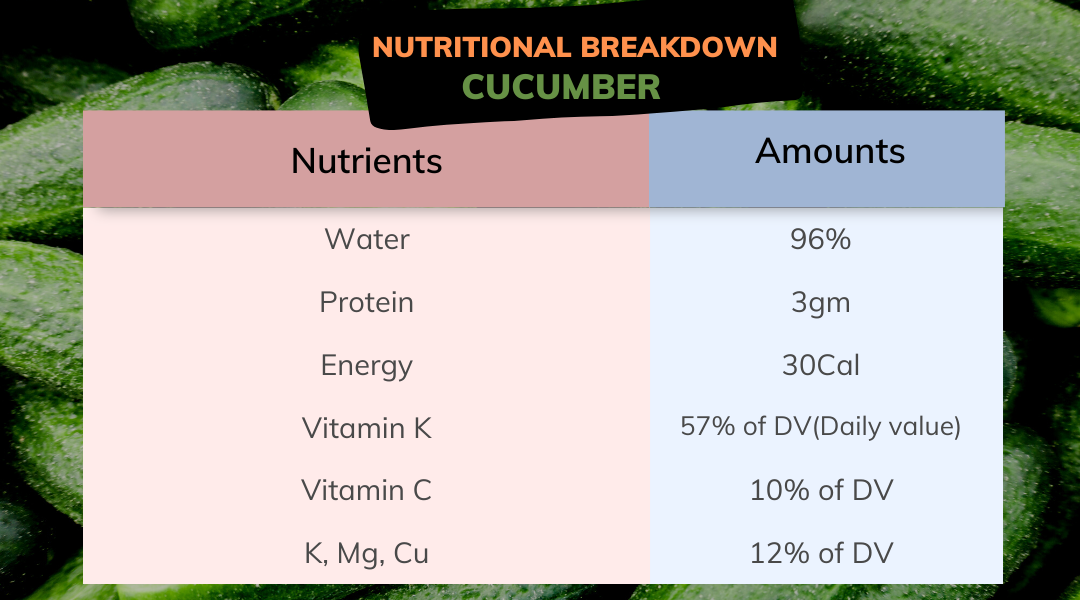
From the above data, we can see that cucumbers, being high in water content, have a similar impact when consumed. Cucumbers contain water and alkaline potassium, making them slightly diuretic and useful for reducing gas.
Related Article: Is Broccoli acidic? Broccoli Acid Reflux (Is This True?)
5 Reasons to Start Eating Cucumbers!
I hope you now know that cucumbers are very nutritious for your health and have benefits for your skin, stomach, and heart. They provide so many benefits to your body because of their alkalizing effects.
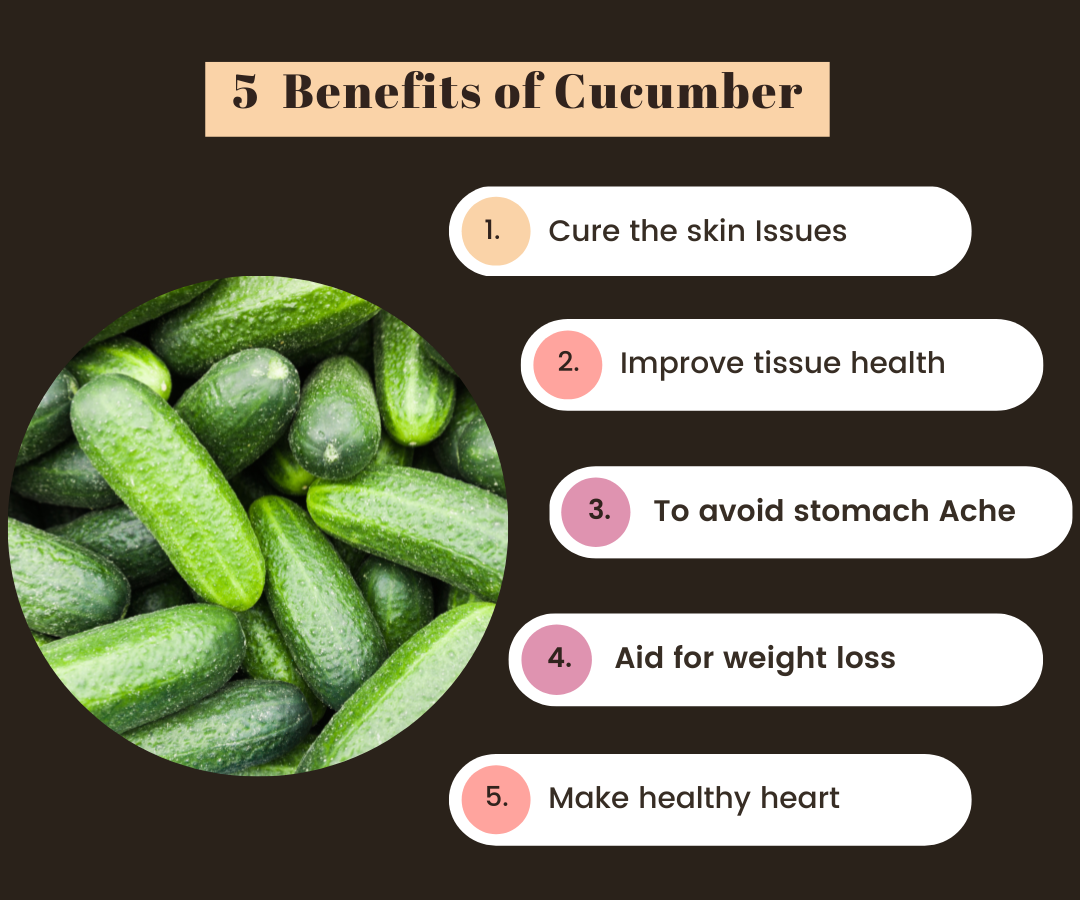
Without further delay, let us now go deeper to the reasons why you should love them.
Skin health
Dark circles, swelling, sunburn, and under-eye puffiness are just some of the skin conditions that cucumbers can help alleviate. Cucumbers’ primary compounds, caffeic acid and ascorbic acid, aid in the prevention of water retention.
Improve tissue health
Simultaneously cooling and refreshing, cucumbers are rich in the mineral silica. It’s a lovely mineral, and it plays a crucial role in maintaining the health of your connective tissues. Connective tissues include cartilage, ligaments, tendons, and bone. Healthy connective tissues are essential to overall good health.
Prevention of stomach aches
As far as vegetables go, cucumbers have a relatively high amount of fiber. Cucumber is a great choice for those who suffer from gastroesophageal reflux disease (GERD) because its high fiber content helps prevent stomach problems, and promotes gastric motility, helping to move food along the intestinal tract.
This reduces the chance of stomach contents refluxing, or going “backwards”, in the wrong direction.
Aid for weight loss
Cucumbers are fantastic for dieters because they are 96 percent water, and they contain no fat, cholesterol, or sodium. Cucumbers are a low-calorie food, with low caloric density, so you can eat more of them without consuming too many calories.
Cucumbers, whether added to a salad or eaten alone, can help jumpstart weight loss when combined with other weight loss-friendly foods like lemon juice, black pepper, and salt.
Related Article: 10 Effective Homemade Drinks That Burn Fat While Sleeping
Boosts cardiovascular health
In addition to protecting against cardiovascular disease, the lignans found in cucumbers can also help strengthen the immune system. Cucumbers’ magnesium and potassium content make them an excellent food for maintaining healthy blood pressure.
In addition, they help regulate nerve function, heart rate, fluid balance, blood sugar, and glucose metabolism, and increase energy expenditure.
Does eating cucumbers make you fart?
Yes, they can make you go through some unforeseen situations. It depends a lot on how they are consumed. There are a few reasons why cucumbers might increase gas.
Cucurbitacin can be found in cucumbers and squash which has the capability to make good amounts of gas and can make you gassy easily. You’re more likely to experience bloating or passing gas due to over consumption of cucumbers.
FAQs
Is cucumber an acidic food?
No, they are not referred to as acidic foods. Though they have a pH of 5.1-5.7 which is slightly acidic, the alkalizing effects of cucumbers can be beneficial, especially in those whose diets have become excessively acidic as a result of poor nutrition.
Is cucumber OK for acid reflux?
Yes, they are. They can also be used to treat acid reflux. Water and fiber, both of which are crucial to proper digestion, are abundant in cucumbers. It is common knowledge that increasing the stomach’s pH by ingesting water can alleviate the acute symptoms of acid reflux.
Why do cucumbers cause heartburn?
In most cases, they do not cause heartburn. But exceptions may be seen in some situations. When you eat cucumbers with any acidic food like salad or tomatoes, you might experience acid reflux. This might result in heartburn in your stomach.
However, this is more likely due to the foods consumed with the cucumbers, not the cucumbers themselves.
Are Pickles acidic or alkaline?
Wait a minute! We know that pickles are made of cucumbers. So, do you think these are acidic? Basically, that depends on how they were pickled.
Pickles purchased from a grocery store are likely to have a high vinegar and additive content, both of which can aggravate acid reflux and GERD symptoms and cause severe heartburn. Therefore, those with a low tolerance for sour or pickled flavors should avoid them.
However, naturally fermented pickled cucumbers are excellent for the flora in your digestive tract. Moreover, their juice is reportedly effective for some people with acid reflux.
Conclusion
In the end, we have all the answers for “are cucumbers acidic?” To put it simply, we can say that cucumbers are slightly acidic, but have predominantly alkaline properties. You can eat cucumbers without worrying about the effect on acid reflux.
But remember, like with any food, there can be too much of a good thing. Most foods are best eaten in moderation!
Are Baby Carrots Acidic? Baby Carrots and Acid Reflux

When managing acid reflux, choosing the right foods is critical to avoiding uncomfortable symptoms like heartburn and regurgitation. If you enjoy snacking on baby carrots, you may wonder: Are baby carrots acidic, and can they fit into an acid reflux-friendly diet?
Baby carrots are a great choice for managing acid reflux because they are low in acid, low in calories, and high in fiber. Additionally, they are a healthy snack that is easy to prepare and eat.
This article dives into the acidity of baby carrots, their nutritional profile, and their potential role in managing acid reflux.
Understanding Baby Carrots
Baby carrots are small, tender carrots that are either naturally grown to be small or cut and shaped from larger carrots. They are prized for their convenience, sweetness, and crunch. Like regular carrots, they are packed with essential nutrients that make them a healthy choice for most diets.
Baby carrots are also low in calories and high in fiber, making them a great snack for those looking to watch their weight. They are also relatively inexpensive and easy to find in most grocery stores.
Author Tip: Are Carrots Good for You?
Are Baby Carrots Acidic?
To answer whether baby carrots are acidic, we need to consider their pH level:
- pH Level of Baby Carrots: Baby carrots have a pH level of around 5 to 6, placing them in the mildly acidic to neutral range. This makes them less acidic compared to many fruits and vegetables, such as tomatoes or citrus fruits.
- Alkaline-Forming in the Body: Despite their mild acidity, carrots are often considered alkaline-forming after digestion. This means they can help balance your body’s pH levels and potentially soothe acid reflux symptoms.
Related to Read: Are Carrot Sticks Acidic?
Nutritional Benefits of Baby Carrots
Baby carrots are a nutrient powerhouse and can provide numerous health benefits, including support for acid reflux management:
1. Rich in Fiber
Fiber aids digestion by promoting regular bowel movements and preventing constipation, which can worsen acid reflux by increasing abdominal pressure. Baby carrots are an excellent source of dietary fiber. Research suggest that fiber is very beneficial for stomach health.
2. High in Vitamin A
Carrots are rich in beta-carotene, which the body converts to vitamin A. This nutrient supports healthy mucous membranes, including the lining of the esophagus, which can be irritated by acid reflux.
3. Low Calorie and Low Fat
Baby carrots are naturally low in calories and fat, making them a light snack that doesn’t put additional strain on the digestive system or trigger reflux symptoms.
4. Hydrating Properties
Baby carrots have a high water content, which can help dilute stomach acid and reduce the likelihood of acid reflux episodes.
Can Baby Carrots Trigger Acid Reflux?
Although baby carrots are generally considered safe and beneficial for those with acid reflux, individual reactions can vary. Here are some factors to keep in mind:
- Portion Size: Eating a large quantity of baby carrots in one sitting may cause bloating or stomach discomfort, which could worsen acid reflux.
- Raw vs. Cooked: Raw baby carrots are crunchy and fibrous, which may be harder to digest for some individuals. Steaming or boiling them can make them gentler on the stomach.
- Acidity Tolerance: While mildly acidic, baby carrots are unlikely to trigger reflux in most people. However, those with severe acid reflux should monitor their symptoms after consumption.
How to Incorporate Baby Carrots into an Acid Reflux-Friendly Diet
Baby carrots can be a versatile addition to your meals or snacks. Here are some tips to enjoy them while minimizing the risk of acid reflux:
1. Snack on Raw or Steamed Carrots
Enjoy baby carrots as a snack on their own or with a reflux-friendly dip like hummus. Steamed carrots are an even gentler option for those with sensitive stomachs.
2. Add to Soups and Stews
Incorporate baby carrots into soups, stews, or broths for added nutrition and flavor. Cooking them softens their texture and makes them easier to digest.
3. Blend into Smoothies
For a nutrient-packed smoothie, blend baby carrots with alkaline fruits like bananas or melons. This can create a refreshing and reflux-friendly drink.
4. Include in Salads
Shred or chop baby carrots into salads made with leafy greens and a light, non-acidic dressing.
Other Reflux-Friendly Vegetables to Pair with Baby Carrots
Pairing baby carrots with other low-acid vegetables can further enhance your diet. Consider adding:
Foods to Avoid When Eating Baby Carrots
To prevent acid reflux, avoid combining baby carrots with common trigger foods such as:
- Spicy dips or sauces
- Acidic dressings, like vinegar-based options
- High-fat dips, such as creamy cheese-based spreads
- Carbonated beverages
Author Tip: 7 Kinds of Foods to Avoid with GERD
Lifestyle Tips for Managing Acid Reflux
In addition to choosing the right foods, consider these tips to manage acid reflux effectively:
- Eat Smaller Meals: Large meals can increase pressure on the lower esophageal sphincter (LES).
- Chew Thoroughly: Take your time to chew baby carrots and other foods well to aid digestion.
- Stay Upright After Eating: Avoid lying down for at least 2-3 hours after meals.
- Elevate Your Head During Sleep: Use a wedge pillow to prevent acid from rising during the night.
- Maintain a Healthy Weight: Excess weight can put pressure on the LES, worsening acid reflux.
Frequently Asked Questions
1. Can baby carrots cure acid reflux?
Baby carrots cannot cure acid reflux but can be part of a balanced diet that helps manage symptoms. Their fiber and low acidity make them a supportive food choice.
2. Are baby carrots better than regular carrots for acid reflux?
Nutritionally, baby carrots and regular carrots are very similar. Both can be included in an acid reflux-friendly diet, and the choice depends on personal preference.
3. How many baby carrots can I eat if I have acid reflux?
Moderation is key. Start with a small serving, such as 5-10 baby carrots, and observe how your body reacts. Gradually increase the portion if tolerated well.
Conclusion: Are Baby Carrots Acidic?
Baby carrots are mildly acidic but generally considered safe and beneficial for individuals with acid reflux. Their low acidity, high fiber content, and nutrient-rich profile make them an excellent choice for snacking or incorporating into meals. By preparing baby carrots in reflux-friendly ways and being mindful of portion sizes, you can enjoy their health benefits without triggering symptoms.
As with any dietary change, monitor your body’s response and consult a healthcare provider for personalized advice if needed. Baby carrots can be a tasty and nutritious ally in your journey to manage acid reflux effectively.