Are Uncrustables Healthy? The Controversial Snack Review!
The first time I saw Uncrustables in the grocery store, I was intrigued by its cute appearance and cheerful packaging. It certainly looked more kid-friendly than a peanut butter and jelly sandwich. After all, it’s not messy, there are no crust corners, and it is compact enough to fit inside your child’s lunchbox.
But did you know that this seemingly wholesome snack is not as healthy as it seems?
So, what’s the truth – are Uncrustables healthy or unhealthy?
Uncrustables are unhealthy snacks because they are high in sugar, fat, and sodium. They also do not provide many nutrients aside from a little protein and fiber content. Furthermore, they come with artificial colors and preservatives which have been linked to hyperactivity in children.
Keep reading to learn more about this snack/breakfast sandwich and why it might not be the healthiest option.
Are Uncrustables Healthy?
While there’s no shortage of hand-held sandwiches on the market, Uncrustables have become one of the most popular options thanks to their claimed “all-natural ingredients” and loveable, child-friendly packaging.
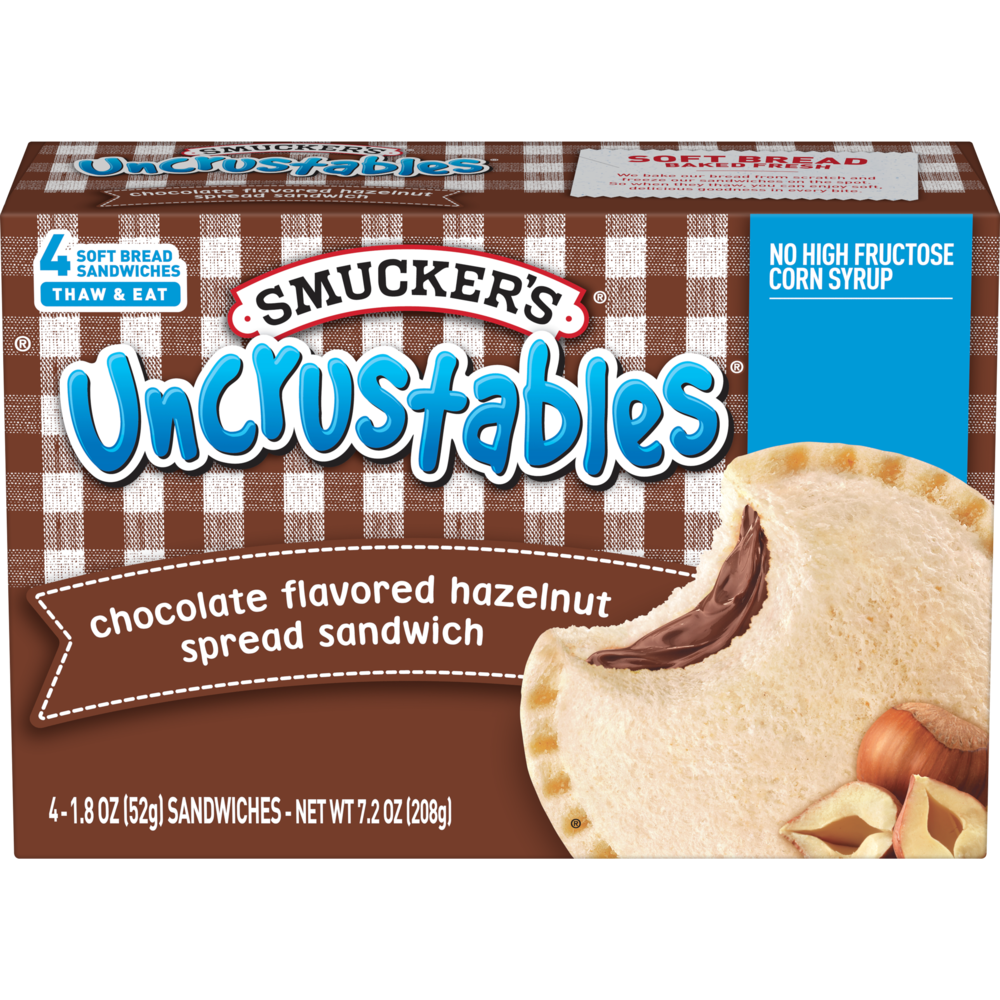
But how healthy are these frozen sandwiches?
The U.S. Centers for Disease Control (CDC) and Prevention defines healthy food as foods having at least 10% of the Daily Value (DV) for one or more of the following nutrients: Vitamin A, Vitamin C, iron, calcium, protein and fiber.
So do Uncrustables fit that description?
Let’s look at their nutrition facts and find out!
According to the Smuckers Uncrustable Products nutrition facts Uncrustables products do NOT meet the CDC’s definition of a healthy snack.
Why Uncrustables Might be Bad for You?
There is a possibility that Uncrustables could cause health issues due to the high quantities of sugar in the jam, jelly, honey, and the amount of salt in the processed bread and peanut butter.
The Uncrustables website suggests they are not, by themselves, a complete and balanced meal, and should be eaten as part of a balanced diet.
So it is acceptable to consume Uncrustables occasionally, but they should not be considered a healthy or complete meal.
Can Ingredients in Uncrustables Contribute to Diabetes?
Since Uncrustables are highly processed foods that include added sugar, which can contribute to obesity and diabetes, they should be consumed in moderation.
According to the nutrition facts on the packaging, one Uncrustables sandwich contains 210 calories, 10 grams of sugar, no Vitamin D, and only 2% of the recommended daily allowance (RDA) of calcium and 6% RDA of iron. DV percentages of sugar per sandwich flavor are shown in Table 1.
Table 1: Percentage of DV of sugar per sandwich weight
| Flavor | Weight (per sandwich) | Sugar (% of daily value) |
| Peanut Butter & Strawberry Jam | 58 grams | 15% |
| Peanut Butter & Grape Jelly | 150 grams | 52% |
| Peanut Butter & Grape Jelly | 76 grams | 24% |
| Peanut Butter & Honey | 58 grams | 18% |
| Chocolate flavored Hazelnut spread. | 52 grams | 20%. |
This same amount of sugar is seen in many types of candy which can be associated with cavities and tooth decay.
Can High Levels of Sodium in Uncrustables Trigger Blood Pressure?
Due to salted peanut butter as a filling, Uncrustables contain higher sodium levels than many processed snacks. With 500 mg of sodium, one large sandwich contains 21% of the RDA of 2300 milligrams (mg) per adult and 800 – 1000 mg per child.
Table 2 contains sodium levels for each weight and flavor of Uncrustables.
Table 2: Sodium levels per flavor and weight of Uncrustable sandwich
| Flavor | Weight (per sandwich) | Sodium |
| Peanut Butter & Strawberry Jam | 58 grams | 220 mg |
| Peanut Butter & Grape Jelly | 150 gram | 530 mg |
| Peanut Butter & Grape Jelly | 76 grams | 260 mg |
| Peanut Butter & Honey | 58 grams | 210 mg |
| *Chocolate flavored Hazelnut spread | 52 grams. | 160 mg |
*The chocolate hazelnut spread flavor has comparatively lower sodium content as no salted peanut butter is used.
Uncrustables are Not Ideal if You are Counting Calories
Due to their ingredients containing many hydrogenated oils, such as soybean and vegetable oil, Uncrustables have high-calorie content.
One 58-gram peanut butter and strawberry jam Uncrustables sandwich contains 210 calories, and one 150 gram peanut butter and grape jelly sandwich contains 600 calories! Table 3 shows the caloric intake of each flavor and weight of Uncrustables sandwiches
Table 3: Calories per flavor and weight of Uncrustables sandwich
| Flavor | Weight (per sandwich) | Calories |
| Peanut Butter & Strawberry Jam | 58 grams | 210 |
| Peanut Butter & Grape Jelly | 150 gram | 600 |
| Peanut Butter & Grape Jelly | 76 grams | 300 |
| Peanut Butter & Honey | 58 grams | 200 |
| Chocolate flavored Hazelnut spread | 52 grams. | 210 |
These numbers may seem low, but when you take into account that these sandwiches are often eaten as snacks , these numbers start to add up. Therefore, it is not ideal to snack on these sandwiches if you are trying to maintain or lose weight.
Uncrustables are NOT for Peanut-Sensitive People
One of the main ingredients of Uncrustables is peanut butter, which obviously contains peanuts.
So if you are sensitive to peanuts in any form, consuming Uncrustables in any flavor can trigger your allergens.
For people with nut allergies the hazelnut flavor could also cause allergic reactions. Same can be said for the wheat (bread) and dairy (milk) included in the products.
Can the Ingredients in Uncrustables Lead To Major Heart Issues?
Uncrustables are not the healthiest snack or breakfast sandwiches. For example, a peanut butter (PB) and strawberry jam sandwich of 150 grams contains 18% saturated fat of DV. It is more than the maximum 10% RDA of saturated fat.
Consuming this amount of saturated fat on a regular basis is bound to increase Low-Density Lipoprotein (LDL – bad cholesterol) and decrease High-Density Lipoprotein (LDL – good cholesterol) leading to many heart-related issues in the future. Table 4 contains percentages of DV of saturated fat.
Table 4: Percentage of DV of saturated fat per sandwich weight
| Flavor | Weight (per sandwich) | Saturated fat (% of Daily Value) |
| Peanut Butter & Strawberry Jam | 58 grams | 8% |
| Peanut Butter & Grape Jelly | 150 grams | 35% |
| Peanut Butter & Grape Jelly | 76 grams | 18% |
| Peanut Butter & Honey | 58 grams | 10% |
| Chocolate flavored Hazelnut spread. | 52 grams. | 15%. |
Is Anything Good About Uncrustables?
Despite having so many unhealthy ingredients, Uncrustables do contain some valuable nutrients . But are they enough to outweigh the unhealthy effects of these crustless sandwiches?
Let’s have a look.
Uncrustables contain whole wheat?
If you read the ingredient labels of Smucker’s Uncrustables packaging, you will see they mention whole wheat as their primary ingredient for making the bread. It gives the sandwiches some fiber content to fill you up quickly when looking for a quick snack. See table 5 for fiber content per flavor of sandwich weight.
Table 5: Percentage of fiber DV per flavor and weight of sandwich
| Flavor | Weight (per sandwich) | Fiber (% of Daily Value) |
| Peanut Butter & Strawberry Jam | 58 grams | 7% |
| Peanut Butter & Grape Jelly | 150 grams | 25% |
| Peanut Butter & Grape Jelly | 76 grams | 13% |
| Peanut Butter & Honey | 58 grams | 11% |
| Chocolate flavored Hazelnut spread. | 52 grams | 5% |
Are there RDA amounts of Protein in Uncrustables?
The presence of peanuts in the peanut butter filling provides some protein content in the sandwiches. Also, the jam is made from real fruit , from which you get the nutrients of real fruit (and a lot of sugar, too!). Table 6 shows the amounts of protein in each flavor of Unscrustables.
Table 6: Amount of protein per flavor and weight of each type of sandwich
| Flavor | Weight (per sandwich) | Protein |
| Peanut Butter & Strawberry Jam | 58 grams | 6 grams |
| Peanut Butter & Grape Jelly | 150 grams | 18 grams |
| Peanut Butter & Grape Jelly | 76 grams | 9 grams |
| Peanut Butter & Honey | 58 grams | 7 grams |
| *Chocolate flavored Hazelnut spread | 52 grams | 4 grams |
Therefore, go ahead and enjoy an Uncrustable on occasion, but make sure to fill up on vegetables the rest of the day!
Are there Healthy Alternatives to Uncrustables?
Uncrustables are typically high in calories and low in nutritional value. Let’s look at healthy snack/breakfast options from the grocery store that are higher in protein, contain less sugar, and provide a more nutritious bite.
- Nutri Grain Bars: have no added sugar and are much lower in calories and saturated fats.
- Quest Bars: have 0% added sugar, very high in protein and fiber
- Nature Valley Granola Bars: extremely low in calories, sodium, and sugar and have a negligible amount of saturated fat.
Moreover, these alternatives are equally convenient and tasty. Also if you want to satisfy a peanut butter and jelly (PB&J) craving without all the preservatives, try a homemade PB&J with fresh fruit.
But if you do not have the time or energy for that, look for 100% whole wheat bread (with no added sugar) and real fruit preserves made with natural ingredients.
FAQs
Are Uncrustables vegan?
Some flavors of Uncrustables are vegan, while others are not. Honey and dairy are used in some varieties, such as the PB & honey and hazelnut chocolate flavors. The classic PB with jam is vegan, but it is always best to read the ingredient labels if you are a strict vegan.
Are Uncrustables gluten-free?
One of the main ingredients of Uncrustables is wheat flour contained in the bread, therefore, Uncrustables are not gluten-free.
Are Smucker’s Uncrustables vegetarian?
All the sandwiches of Smucker’s Uncrustables are vegetarian-friendly as they do not contain meat products. However, the roll-ups have meat, so are not vegetarian-friendly.
Conclusion
Are Uncrustables Healthy? Do not be deceived by the front packaging of Uncrustables claiming “whole wheat” or “low sugar” as a healthy snack.
Always read the nutrition label on the back of the packaging to know the complete list of ingredients.
Eating Uncrustables as a part of your (or your children’s) daily diet is not recommended. Instead, you can enjoy them once in a while as a treat.
Also, it is crucial that you eat various foods to ensure you are getting a balanced diet in terms of macronutrients, vitamins, and minerals.
Is Celery Acidic? Celery for Acid Reflux: Good or Bad?

Celery, a staple in many diets, is widely recognized for its crunch, low calorie count, and health benefits. But for those suffering from acid reflux or GERD (gastroesophageal reflux disease), the question arises: “Is celery acidic? Is celery for acid reflux a good choice or a potential trigger?” In this article, we will dive into the pH level of celery, its potential effects on acid reflux, and how to incorporate it into a reflux-friendly diet. By the end, you’ll have a clear understanding of whether celery can be your ally in managing acid reflux.
Is Celery Acidic? Understanding Its pH Level
Celery is classified as an alkaline food, with a pH level ranging from 5.7 to 6.0. While not as alkaline as some other vegetables, celery is still considered a low-acid option. Here’s a quick comparison:
| Food Item | pH Range | Acidity Level |
| Celery | 5.7–6.0 | Low Acid/Neutral |
| Spinach | 6.5–7.0 | Alkaline |
| Cucumber | 6.0–7.0 | Alkaline |
| Tomatoes | 4.0–4.6 | Alkaline |
Celery’s alkaline nature makes it a popular choice for individuals looking to balance their diet and reduce acidity. Its ability to help neutralize stomach acid has made it a go-to food for those managing acid reflux.
Related to Read: Is Bok Choy Safe for Acid Reflux?
Nutritional Benefits of Celery: A Powerhouse of Health
Celery isn’t just about its alkalinity; it’s a nutrient-rich vegetable offering numerous health benefits:
- High Water Content: With over 95% water, celery keeps you hydrated and aids in digestion.
- Rich in Antioxidants: Contains flavonoids, beta carotene, and vitamin C, which combat oxidative stress.
- Dietary Fiber: Promotes gut health and regular bowel movements.
- Low in Calories: A perfect snack for those looking to manage their weight.
- Anti-Inflammatory Properties: Contains phytonutrients that may reduce inflammation in the body.
Can Celery Help with Acid Reflux? Exploring Its Impact
Celery is often recommended as a reflux-friendly food due to its alkalinity and digestive benefits. Here’s how celery might help:
1. Neutralizes Stomach Acid
The alkaline nature of celery can help balance stomach acid levels, reducing the likelihood of acid reflux symptoms.
2. Supports Digestion
Celery’s fiber content aids in smooth digestion, preventing issues like bloating and indigestion that can exacerbate acid reflux.
3. Low-Fat Content
High-fat foods can trigger acid reflux by relaxing the lower esophageal sphincter (LES). Celery, being naturally low in fat, avoids this problem.
4. Hydration
The high water content in celery helps dilute stomach acid, potentially preventing reflux episodes.
Related to Read: Is Cabbage Juice Acidic?
How to Include Celery in a Reflux-Friendly Diet?
To maximize celery’s benefits while minimizing any potential discomfort, consider these tips:
1. Eat It Raw
Raw celery retains its crunch, nutrients, and alkalinity. Pair it with a reflux-safe dip like hummus.
2. Add to Smoothies
Blend celery with alkaline fruits like bananas and spinach for a refreshing, reflux-friendly smoothie.
3. Incorporate into Soups
Cooking celery in low-acid soups can make it easier to digest without compromising its benefits.
4. Avoid High-Acid Pairings
Skip pairing celery with acidic ingredients like tomatoes or citrus-based dressings.
5. Drink Celery Juice
While slightly less fiber-rich, celery juice is another way to enjoy its alkalinity. Start with small servings to gauge your tolerance.
Author Tip: 7-Day Meal Plan For Gastritis
Potential Risks of Celery for Acid Reflux
Though celery is generally well-tolerated, it’s not entirely risk-free:
- Bloating: Excessive consumption may cause bloating in sensitive individuals.
- Allergic Reactions: Rarely, celery can trigger allergic responses in some people.
- Pesticide Residue: Opt for organic celery or wash thoroughly to avoid exposure to pesticides.
Author Tip: 7 Kinds of Foods to Avoid with GERD
Celery vs. Other Vegetables for Acid Reflux
How does celery compare to other vegetables in managing acid reflux?
| Vegetable | Acidity Level | Reflux-Friendly |
| Celery | Low Acid | Yes |
| Spinach | Alkaline | Yes |
| Broccoli | Alkaline | Yes |
| Onions | Acidic | No |
Celery stands out as a versatile, reflux-friendly vegetable, suitable for most diets.
Related to Read: Are Broccoli Acidic?
FAQs About Celery and Acid Reflux
1. Is celery good for acid reflux?
Yes, celery is alkaline and can help neutralize stomach acid, making it a good choice for acid reflux sufferers.
2. Can celery juice worsen acid reflux?
Unlikely, but individual tolerances vary. Start with small amounts to ensure it doesn’t trigger symptoms.
3. How much celery should I eat daily for acid reflux?
Aim for 1–2 stalks or half a cup of chopped celery daily as part of a balanced diet.
4. Are cooked celery and raw celery equally beneficial?
Both forms are beneficial, but cooking celery can make it easier to digest for some people.
5. Can celery replace medication for acid reflux?
While celery may alleviate symptoms, it’s not a substitute for prescribed medication. Always consult a healthcare provider for severe or persistent reflux.
Conclusion: Is Celery a Good Choice for Acid Reflux?
Celery’s low acidity, high water content, and digestive benefits make it an excellent option for managing acid reflux. Its versatility allows for easy incorporation into various meals, whether raw, cooked, or juiced. While individual results may vary, most people with acid reflux can enjoy celery without concern. By adding celery to your diet mindfully, you can take a step toward better digestive health and overall well-being.