Can You Eat Hail? Safety Tips and Risks
We are no strangers to hail falling during thunderstorms. And some of you might even be tempted to taste those tiny little ice pebbles. But not sure if eating those is possible.
So, here we resolve your question: can you eat hail?
Yes, you can eat hail. No serious harm is likely to happen when hail is consumed. However, it’s not recommended. Because during the formation hail gathers many dirt, bacteria, and pollution from the atmosphere. Often, there might be traces of toxic gas; you never know. So, it’s safer not to eat them.
Not sure yet? Do not sweat! Because, in this guide, we will answer all your questions and explain everything to you! You might not have any more confusion about eating hail after this.
So, just keep scrolling to find out!
Can You Eat Hail?
Hail may fall with violent force, yet it looks like these tiny ice cubes. Simply spreading on the ground. Some of you wonder whether hails are as safe as they look. Also, if it is edible.
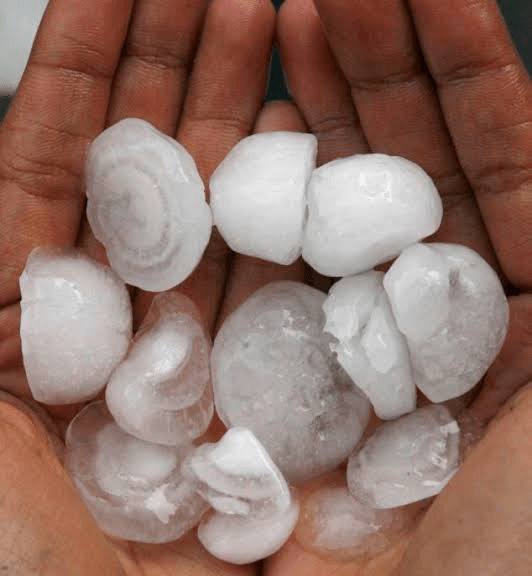
Yes, hail is edible. You can totally eat them.
They are mainly just layers of ice. However, it may contain traces of pollution, dirt, and bacteria.
You are not likely to get sick if you consume it. Nevertheless, it is generally not recommended.
But, wait! Do not go into a panic mode now if you have already eaten hail.
But it will be useful if we take a deeper look into it.
There has been much research conducted surrounding hail. And it has been found that hail possesses thousands of varied chemicals. Also, various strains of bacteria.
It is reported that there are more than 3,000 compounds found in certain hailstones. Along with the 7 species of bacteria.
But these are some rare cases.
And it is no news that the atmosphere is not completely clean. Plus, precipitation can collect pollutants as well as microbes on the way to the ground.
It is also revealed that if the air in a certain area is too toxic. Such as, filled with excess amounts of sulfur dioxide, nitrogen dioxide, as well as carbon monoxide.
Then, in those areas, when hail falls, it may contain a slight amount of all those emission gases. Or at least some traces of these gases. However, not a very big amount to be too dangerous.
Hail most often does not include anything harmful in a very large amount.
Nevertheless, it is still something that you might like to be aware of. At least before putting it into the mouth.
Related Article: Can You Eat Coral? Exploring Edibility, Risks, and Environmental Impact
What Does Hail Taste Like?
Yes, sure, it is just ice falling from the sky. However, we tend to get more concerned about what hail tastes like.
Hail usually tastes similar to your regular ice cubes. However, the taste may vary a little based on what the hail masses during its formation process.
Here, let us give an example so you can understand better. Don’t waters from different sources slightly vary in taste? And it varies based on the various minerals present in it. The same goes for hail.
Most hail tastes similar. Yet there are certain areas where there are higher salt particles in the atmosphere. Or you can even find ash in the air.
These differences in atmosphere slightly change the taste of hail.
Nevertheless, there can be extreme circumstances. Such as when a thunderstorm comes upon in the form of a huge plume of smoke from fire.
Then it may form black hail because of the smoke blending with the vapor in the clouds.
It is a rare case, however. But you can safely assume that it might have a hint of ash-y flavour.
And otherwise, in an area with comparatively cleaner air, hail just tastes like normal ice cubes.
What Is Hail Made of?
Has it ever made you wonder if there are any other components in hail other than ice? Let us take a glance at what hail is made of.
Hail is usually made of the moisture from clouds. These are the clouds that became cold enough to freeze into ice layers.
Though hail is wholly pure ice, it may pick up scraps of chemicals. And hail does it when forming and on its way down.
The original form of hail is the rain itself. And water vapor certainly requires the help of dust particles available in the atmosphere. This is to form rain droplets.
It is very easy for vapor to stick onto dirt, salt crystals, or ash. Rather than sticking to other vapor molecules.
That being it, the rainwater is mostly considered relatively safer to drink. Nonetheless, hail may grow a lot bigger, which leads it to contain more contamination.
Does Hail Contain Salt?
As you know, there is salt in the atmosphere. It might make you wonder if salt is also found in hail.
Yes, salt crystals are found in hail. Along with that, they are found in rain and snow as well. Because they actually help the rain droplets form. This is most generally found near an ocean.
It seems that the salt crystals are very easy for the water vapor to hook onto. And when combined, they develop a droplet. So, yes, there are salt particles in hail.
How Is Hail Formed?
Now you are getting deep into the topic of hail. So, you might be interested to learn how hail is made or formed.

Hail is usually formed when the raindrops freeze. Then they fall, yet are instantly forced back to the clouds by powerful updrafts. It takes place within a thunderstorm cloud.
When the ice is thrust back into the clouds, it clashes with even more moisture. Thus, it amasses in frozen layers.
Strong down and updrafts tend to keep the cycle running for some time. That is still a bigger hailstone that has formed.
The hails would then make their way to the ground. Just when they gather sufficient weight in ice. The weight should be enough to enable gravity to dominate the strength of updrafts.
With super-strong updrafts, the hails can be launched very high. They can even clash and freeze concurrently with the other chunks of hail.
The biggest hail ever reported was estimated to possess a diameter of about 8 inches. That is nearly the exact size of a regular coconut.
Just think about the kind of damage one hailstone of that size can cause. Also, hail that big can even hit the surface at a speed of 100 miles per hour.
So, this is your reason not to try catching it with your tongue. It can cause some serious damage.
Related Article: Can You Eat Triggerfish? Exploring Safe and Delicious Options
Can Hail Kill You?
Most of you might have felt the effect of at least a little piece of hail. Or perhaps you have even nibbled on some.

Nevertheless, is it possible for people to really die from it? Or how deadly is hail exactly?
Yes, there are reports of people being killed by falling hail. However, the hail is not likely to kill you if you consume it.
Catastrophes from hail are not common. Because it is very rare where hail to get big enough to inflict actual physical harm.
But it is better if you do not eat it.
Now it’s time to move on to the FAQ section.
FAQs
Is hail healthy to eat?
No, it is not healthy to eat hail. It is reported that there are more than 3,000 compounds found in hailstones. Along with the 7 species of bacteria. Plus, it may gather various dirt elements from the air the time it is forming. And after formation, they never go away. So, it is a bad idea to eat them.
Is hail polluted?
Yes, hail can be polluted. As during the formation of rain forms, it gathers different dirt and chemicals from the atmosphere. Plus, some toxic gases from the air as well. And all of them combined turn into hail, often making it polluted.
Does hail melt?
Yes, hail being ice starts to melt quickly as soon as it tumbles into the ground. Here, the temperatures are above the freezing level. It quite be seen as settling a blow dryer on the ice. Warm temperatures can cause it to melt from the hailstone.
Wrapping Up
Hope we have resolved your question about whether you can eat hail.
Now you know the answer from reading this guide. So from now on, however tempting hail seems, try not to put them in your mouth. It is safer that way. Because, though very rare, you do not know what type of components it is carrying. So, it is better not to risk it and avoid consuming them.
That is all for now. Have an amazing day!
Are Millet Safe for Acid Reflux?

Introduction: Millet as a Gut-Friendly Grain
Millet, an ancient grain widely consumed across the globe, is gaining popularity for its impressive nutritional value and versatility. It’s naturally gluten-free, easy to prepare, and a staple in many cuisines. However, for individuals managing acid reflux, the question arises: Is millet safe for acid reflux sufferers?
Acid reflux, also known as gastroesophageal reflux disease (GERD), can be triggered by various foods, making dietary choices critical for symptom management. This article explores the role of millet in a reflux-friendly diet, analyzing its pH level, nutritional benefits, and tips for consuming it safely.
Understanding Acid Reflux: Causes and Symptoms
What Is Acid Reflux?
Acid reflux is a digestive condition where stomach acid flows back into the esophagus, causing irritation. This occurs when the lower esophageal sphincter (LES) – the muscle responsible for keeping stomach contents in place – becomes weak or relaxed.
Common Symptoms of Acid Reflux Include:
- Heartburn: A burning sensation in the chest.
- Regurgitation: Sour or bitter taste in the mouth.
- Difficulty swallowing or a feeling of a lump in the throat.
- Bloating, nausea, or chronic cough.
While the condition can vary in severity, dietary management is a key component in reducing symptoms.
Dietary Triggers of Acid Reflux
Certain foods are known to trigger or worsen acid reflux by either increasing stomach acid production or relaxing the LES. These include:
- Acidic foods: Citrus fruits, tomatoes, and vinegar.
- Fatty or fried foods.
- Spicy ingredients and caffeinated beverages.
- Chocolate and peppermint.
Understanding how millet fits into this framework can help you make informed dietary choices.
Author Tip: 7 Kinds of Foods to Avoid with GERD
Nutritional Profile of Millet
Key Nutrients in Millet
Millet is a highly nutritious grain offering a variety of health benefits:
- Complex Carbohydrates: Provides sustained energy and supports healthy blood sugar levels.
- Dietary Fiber: Aids digestion and promotes gut health.
- Essential Minerals: Rich in magnesium, phosphorus, and potassium.
- B Vitamins: Supports energy metabolism and brain health.
- Protein: Contains moderate amounts of plant-based protein, making it an excellent choice for vegetarians and vegans.
Health Benefits of Millet
- Digestive Support: The fiber in millet promotes regular bowel movements and helps prevent constipation, which can reduce abdominal pressure and lower the risk of reflux.
- Gluten-Free: Ideal for individuals with gluten sensitivities or celiac disease.
- Heart Health: Magnesium and potassium help regulate blood pressure and improve cardiovascular health.
- Weight Management: Millet is low in calories and high in fiber, promoting satiety and preventing overeating.
These benefits make millet a valuable addition to a balanced diet, but how does it impact acid reflux specifically?
Is Millet Acidic or Alkaline?
The pH of Millet
Millet is classified as a mildly alkaline grain. Unlike highly acidic grains like wheat, millet’s pH levels make it a neutral or slightly alkalizing food. Alkaline foods are beneficial for acid reflux sufferers because they help neutralize stomach acid and reduce irritation in the esophagus.
Why Alkaline Foods Are Ideal for Reflux Sufferers?
Foods that are alkaline or neutral help maintain the stomach’s natural pH balance. Millet, being slightly alkalizing, is less likely to aggravate acid reflux compared to acidic grains. Incorporating millet into your diet can help soothe symptoms and provide a nutrient-dense alternative to traditional grains.
How Millet May Impact Acid Reflux?
Benefits of Millet for Acid Reflux
Research suggest that millet has therapeutic effect for human body. Such as it can benefit the acid reflux in the following manner:
- Low Acidity: Millet’s alkaline nature makes it a gentle option for those with sensitive digestive systems.
- Rich in Fiber: Fiber aids digestion and helps prevent constipation, a common trigger for reflux.
- Easy to Digest: Unlike heavy or fatty foods, millet is light on the stomach and less likely to trigger symptoms.
- Gluten-Free: For individuals with gluten sensitivities, millet offers a safe and nutritious alternative that won’t exacerbate reflux.
Potential Drawbacks
While millet is generally safe for acid reflux sufferers, there are a few considerations to keep in mind:
- Overeating: Consuming large portions of any food, including millet, can increase abdominal pressure and trigger reflux.
- Preparation Methods: Adding acidic or fatty ingredients to millet-based dishes can negate its benefits.
Tips for Including Millet in a Reflux-Friendly Diet
Portion Control
Start with a small serving (1/2 cup cooked) and observe how your body reacts. Avoid overeating, as larger portions can increase the risk of reflux.
Reflux-Friendly Millet Recipes
- Millet Porridge: Cook millet with almond milk and sweeten with non-acidic fruits like bananas or apples.
- Millet Salad: Combine cooked millet with cucumbers, leafy greens, and a drizzle of olive oil.
- Millet Pilaf: Pair millet with steamed vegetables like broccoli or zucchini for a nutrient-packed meal.
Pairing Millet with Alkaline Foods
Enhance the reflux-friendly properties of millet by pairing it with:
- Leafy greens like spinach or kale.
- Non-acidic vegetables such as carrots or sweet potatoes.
- Alkaline proteins like tofu or white fish.
Related to Read: Are Salads Healthy?
Alternatives to Millet for Acid Reflux
If millet doesn’t suit your palate or dietary needs, consider these alternatives:
Quinoa
A complete protein and naturally gluten-free, quinoa is easy to digest and mildly alkaline.
Brown Rice
While slightly acidic, brown rice is high in fiber and can be tolerated well when paired with alkaline ingredients.
Oats
oats are a great choice for acid reflux sufferers when prepared without added sugar or acidic toppings because it is rich in fiber.
Related to Read:
Lifestyle Tips to Manage Acid Reflux
Adopt Healthy Eating Habits
- Eat smaller, more frequent meals.
- Avoid lying down for at least 2–3 hours after eating.
- Chew food thoroughly to aid digestion.
Identify and Avoid Trigger Foods
Keep a food diary to track which foods worsen your symptoms and eliminate them from your diet.
Maintain a Healthy Weight
Excess weight can put pressure on the stomach, increasing the likelihood of acid reflux. Incorporate regular exercise and a balanced diet to manage weight effectively.
Conclusion: Is Millet Safe for Acid Reflux?
Millet is a reflux-friendly grain that offers numerous health benefits. Its mildly alkaline nature, high fiber content, and easy digestibility make it a safe and nutritious choice for individuals managing acid reflux.
To reap the benefits, practice portion control, pair millet with alkaline foods, and avoid adding acidic or fatty ingredients. As with any dietary change, monitor your symptoms and adjust accordingly. With the right preparation, millet can be a valuable addition to your reflux-friendly diet.
FAQs: Millet and Acid Reflux
Q1: Is millet acidic or alkaline?
Millet is mildly alkaline, making it a good choice for individuals with acid reflux.
Q2: Can millet trigger acid reflux?
Millet is unlikely to trigger reflux when consumed in moderation and prepared without acidic or fatty additions.
Q3: How should I prepare millet for acid reflux?
Cook millet with water or non-dairy milk and pair it with alkaline foods like leafy greens or non-acidic fruits.
Q4: Are there alternatives to millet for reflux sufferers?
Yes, alternatives like quinoa, oats, and brown rice are also suitable for managing acid reflux.
Q5: Is millet gluten-free?
Yes, millet is naturally gluten-free and suitable for individuals with gluten sensitivities.