
Is Green Pepper Acidic? Green Pepper and Acid Reflux

Medically reviewed by Aneeza Pervez Updated Date: January 5, 2026
Introduction to Green Peppers and Digestive Health
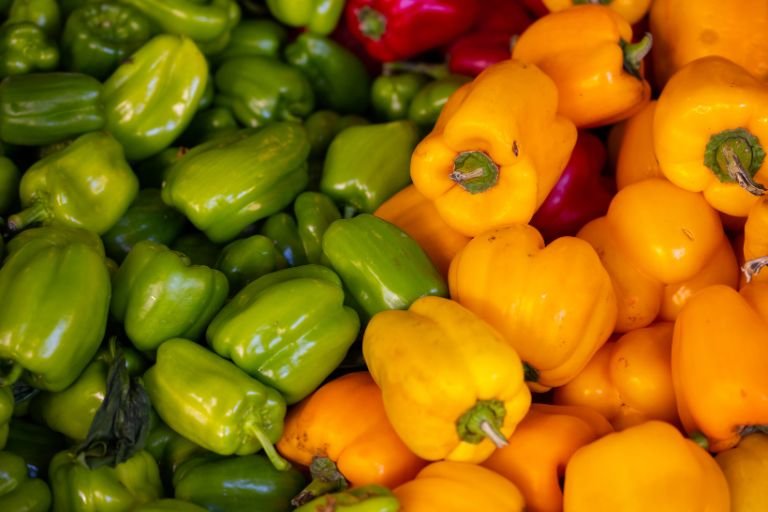
Green peppers, also known as bell peppers, are a common ingredient in many cuisines worldwide. Known for their crisp texture and mildly sweet flavor, they’re a versatile addition to salads, stir-fries, and stuffed pepper recipes. But if you’re managing acid reflux or concerned about acidity in foods, you might wonder: are green peppers acidic, and do they affect acid reflux?
Let’s explore the acidity of green peppers, their impact on digestion, and how they can fit into a reflux-friendly diet.
Nutritional Profile of Green Peppers
Green peppers are not only delicious but also highly nutritious. Here’s a quick overview of their benefits per 1 cup (about 150 grams):
- Calories: 30
- Fiber: 3 grams, supporting digestion and gut health.
- Vitamin C: Over 100% of the daily recommended intake, boosting immunity and reducing inflammation.
- Vitamin A and Beta-Carotene: Beneficial for eye and skin health.
- Antioxidants: Combat oxidative stress and protect cells from damage.
- Low Fat and Sugar: Making them a healthy snack for weight management and blood sugar control.
Their nutrient density makes them a valuable addition to most diets, but how do they fare when it comes to acidity?
Related to Read: Are Red Peppers Acidic?
Understanding the Acidity of Green Peppers
Are Green Peppers Acidic or Alkaline?
Green peppers are classified as slightly acidic, with a pH level ranging between 5.2 and 5.9. While this places them in the acidic category, they are much less acidic than citrus fruits, tomatoes, or vinegar. Their mild acidity makes them more tolerable for individuals with sensitive stomachs.
Factors That May Influence Acidity
- Ripeness: Green peppers are unripe versions of red, yellow, or orange bell peppers. As they ripen, their acidity slightly decreases, making red peppers less acidic than green ones.
- Cooking Method: Roasting or sautéing green peppers can reduce their acidity, making them easier to digest for individuals prone to acid reflux.
Green Peppers and Acid Reflux
What Is Acid Reflux?
Acid reflux occurs when stomach acid flows backward into the esophagus, causing discomfort such as heartburn, a burning sensation in the chest, and regurgitation. It can be triggered by certain foods, lifestyle habits, or medical conditions like GERD (gastroesophageal reflux disease).
Do Green Peppers Trigger Acid Reflux?
Green peppers are generally considered mild and unlikely to trigger acid reflux in most people. However, their impact can vary depending on the individual:
- Potential Irritants: For some, the fibrous skin of green peppers may irritate the stomach lining, especially if consumed raw.
- Portion Size: Eating large amounts of green peppers in one sitting could exacerbate reflux symptoms due to increased stomach pressure.
Benefits for Acid Reflux Sufferers
- Low Fat Content: Green peppers are naturally low in fat, which makes them less likely to cause reflux compared to high-fat foods.
- Rich in Alkaline Nutrients: While slightly acidic, green peppers contain minerals like potassium and magnesium, which help neutralize stomach acid.
Author Tip: 7-Day Meal Plan For Gastritis
How to Safely Consume Green Peppers with Acid Reflux?
To enjoy green peppers without worsening acid reflux, consider the following tips:
Cooked vs. Raw
Cooked green peppers are often easier to digest and less likely to cause reflux symptoms compared to raw ones. Steaming, roasting, or sautéing can soften their fibrous structure.
Portion Control
Stick to moderate portions—about half a cup of green peppers per serving—to avoid overloading your stomach.
Pairing with Non-Acidic Foods
Combine green peppers with alkaline or neutral foods like whole grains, lean proteins, or other non-acidic vegetables to balance the meal’s overall acidity.
Avoid Spicy Seasonings
When preparing green peppers, avoid using highly acidic or spicy seasonings, such as vinegar, tomato-based sauces, or chili flakes, as these can trigger reflux.
Related to Read: Is Bell Pepper Juice Acidic?
Health Benefits of Green Peppers for Digestion
Green peppers offer several benefits for digestive health:
- High Fiber Content: Promotes regular bowel movements and prevents constipation.
- Antioxidants: Help reduce inflammation in the stomach lining.
- Vitamin C: Supports the repair and maintenance of tissues in the digestive tract.
These benefits make green peppers a suitable addition to a GERD-friendly diet, provided they are consumed mindfully.
Delicious and GERD-Friendly Green Pepper Recipes
Stuffed Green Peppers
- Ingredients: Quinoa, lean ground turkey, and chopped spinach.
- Preparation: Hollow out the green peppers, stuff them with the mixture, and bake. Avoid tomato sauces to keep the dish reflux-friendly.
Green Pepper Stir-Fry
- Ingredients: Sliced green peppers, broccoli, and tofu.
- Preparation: Sauté the vegetables with a splash of olive oil and a sprinkle of herbs for a light, non-acidic dinner.
Green Pepper Soup
- Ingredients: Roasted green peppers, carrots, and vegetable broth.
- Preparation: Blend the ingredients for a smooth and soothing soup.
Author Tip: 7 Kinds of Foods to Avoid with GERD
Conclusion
Green peppers, with their mild acidity and high nutrient content, can be a healthy choice for individuals with acid reflux or GERD. While they may not suit everyone, especially when consumed raw or in large quantities, cooking and pairing them with reflux-friendly foods can minimize the risk of symptoms. By incorporating green peppers thoughtfully into your diet, you can enjoy their benefits without compromising your digestive health.
FAQs
Are green peppers acidic or alkaline?
Green peppers are slightly acidic, with a pH range of 5.2 to 5.9.
Can green peppers trigger acid reflux?
In some individuals, raw green peppers may cause mild irritation, but they are generally well-tolerated when cooked.
Are cooked green peppers better for acid reflux?
Yes, cooking green peppers reduces their fibrous structure, making them easier to digest and less likely to trigger reflux.
How much green pepper is safe for someone with GERD?
Stick to moderate portions, around half a cup per serving, to avoid triggering reflux symptoms.
Can green peppers be included in a low-acid diet?
Yes, when cooked and paired with non-acidic foods, green peppers can be part of a low-acid diet.
Related Posts




Subscribe for New Racipies
Get mental health tips, updates, and resources delivered to your inbox.
Are Cashews Good for GERD?

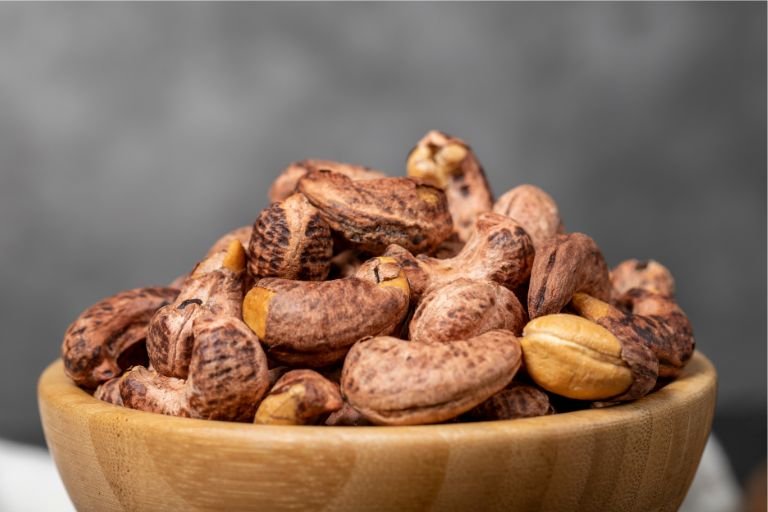
Cashews, with their creamy texture and rich flavor, are a popular snack and ingredient in many dishes. Known for their nutritional benefits, cashews are often included in healthy diets. But for individuals with GERD (gastroesophageal reflux disease) or acid reflux, the question arises: “Are cashews good for GERD?”
The short answer is: Cashews can be good for GERD if consumed in moderation, but they may not be suitable for everyone. While cashews are nutrient-dense and rich in healthy fats, their fat content—albeit healthy—can sometimes trigger reflux symptoms in sensitive individuals. The key to safely consuming cashews with GERD lies in portion control, preparation, and individual tolerance.
In this article, we’ll explore the benefits and potential drawbacks of cashews for those with GERD, their nutritional profile, and tips for incorporating them into a reflux-friendly diet.
Are Cashews Acidic or Alkaline?
Cashews are considered neutral to mildly alkaline, with a pH level that ranges between 6.1 and 6.5. This makes them less likely to contribute to stomach acidity compared to acidic foods like citrus fruits or coffee.
While cashews are not acidic, their effect on GERD symptoms depends more on their fat content and how they are consumed than their pH level.
Author Tip: Are Pecans Good for Acid Reflux? A Guide to GERD-Friendly Nuts
Nutritional Profile of Cashews
Cashews are a nutrient-dense food, providing essential vitamins, minerals, and healthy fats. Here’s a breakdown of their key nutritional components:
1. High in Healthy Fats
- Cashews contain monounsaturated and polyunsaturated fats, which are heart-healthy and anti-inflammatory. One ounce of cashews (about 18 nuts) provides approximately 12 grams of fat, mostly from healthy sources.
2. Source of Plant-Based Protein
- Cashews are a good source of protein, with about 5 grams per ounce, making them a satisfying snack that helps prevent overeating—a common trigger for GERD.
3. Rich in Magnesium
- Cashews are packed with magnesium, which helps relax the muscles of the digestive tract, including the lower esophageal sphincter (LES), reducing reflux episodes.
4. Contains Fiber
- One ounce of cashews provides about 1 gram of fiber, which supports healthy digestion and prevents constipation and bloating.
5. Loaded with Antioxidants
- Cashews are rich in antioxidants like vitamin E and zinc, which reduce inflammation and promote healing in the esophagus.
6. Low in Sugar
- Cashews are naturally low in sugar, making them a better snack option than sugary treats that can exacerbate GERD symptoms.
Related to Read: Are Hazelnuts Good for Acid Reflux?
Can Cashews Trigger GERD Symptoms?
While cashews are generally considered a healthy food, their fat content can sometimes trigger GERD symptoms in certain individuals. Here’s why:
1. High Fat Content
- Even though the fats in cashews are healthy, all fats—whether healthy or not—can relax the lower esophageal sphincter (LES), which separates the stomach from the esophagus. A relaxed LES increases the likelihood of stomach acid flowing back into the esophagus, causing reflux.
2. Overeating
- Eating large portions of cashews can overwhelm the stomach, leading to bloating and increased pressure on the LES. This can exacerbate GERD symptoms.
3. Individual Sensitivities
- Some people may have difficulty digesting nuts, including cashews, and experience symptoms like bloating, gas, or reflux.
Benefits of Cashews for GERD
When consumed in moderation and as part of a balanced diet, cashews can offer several medicinal benefits for individuals with GERD:
1. Prevents Overeating
- Cashews are satisfying and filling, thanks to their protein and healthy fat content. This can help prevent overeating, which is a common trigger for reflux symptoms.
2. Supports Muscle Function
- The magnesium and potassium in cashews help support proper muscle function, including the LES, which is responsible for keeping stomach acid from flowing back into the esophagus.
3. Anti-Inflammatory Properties
- Cashews contain antioxidants and anti-inflammatory compounds that may help soothe irritation in the esophagus caused by stomach acid.
4. Low Glycemic Index
- Cashews provide sustained energy without causing blood sugar spikes, which can indirectly help manage reflux symptoms.
5. Promotes Healthy Digestion
- The fiber content in cashews supports healthy digestion, which can reduce bloating and gas that may contribute to reflux.
Tips for Eating Cashews Safely with GERD
If you enjoy cashews and want to include them in your diet without triggering GERD symptoms, follow these tips:
1. Stick to Small Portions
- Limit your serving size to 1 ounce (about 18 nuts) per sitting. Eating large quantities can increase stomach pressure and exacerbate reflux.
2. Choose Unsalted, Plain Cashews
- Opt for raw or dry-roasted cashews without added salt, sugar, or flavorings that can irritate the stomach.
3. Avoid Eating Late at Night
- Refrain from consuming cashews or other snacks within 2–3 hours of bedtime to reduce the risk of nighttime reflux.
4. Chew Thoroughly
- Chewing cashews thoroughly aids digestion and reduces the likelihood of bloating or discomfort.
5. Monitor Your Body’s Reaction
- Pay attention to how your body reacts to cashews. If you notice symptoms like bloating, heartburn, or discomfort, it’s best to limit or avoid them.
Reflux-Friendly Ways to Enjoy Cashews
1. Cashew and Banana Smoothie
Ingredients:
- 1 cup unsweetened almond milk
- 1 ripe banana
- 1 tablespoon cashew butter
- 1 teaspoon honey (optional)
Instructions:
- Blend all ingredients until smooth.
- Serve as a soothing, reflux-friendly snack or breakfast.
2. Cashew Oatmeal
Ingredients:
- 1/2 cup oats
- 1 cup unsweetened almond milk
- 1 tablespoon chopped cashews
- 1/2 teaspoon cinnamon
Instructions:
- Cook oats in almond milk as directed.
- Top with chopped cashews and sprinkle with cinnamon.
- Serve warm for a hearty, reflux-friendly breakfast.
3. Cashew and Spinach Salad
Ingredients:
- 2 cups fresh spinach
- 1/4 cup chopped cashews
- 1/2 cup diced cucumber
- 1 tablespoon olive oil
Instructions:
- Combine spinach, cashews, and cucumber in a bowl.
- Drizzle with olive oil and toss to combine.
- Serve as a light and nutritious lunch or side dish.
Frequently Asked Questions About Cashews and GERD
1. Are cashews good for GERD?
Yes, cashews can be good for GERD if consumed in moderation. Their healthy fats, magnesium, and protein make them a nutrient-dense option, but large portions may trigger reflux symptoms in some individuals.
2. Can cashews cause acid reflux?
Cashews can cause reflux in some individuals if consumed in excess due to their fat content, which may relax the LES.
3. Are raw or roasted cashews better for GERD?
Both raw and dry-roasted cashews are good options for GERD. However, avoid heavily salted or flavored varieties, as they may irritate the stomach lining.
4. How many cashews can I eat if I have GERD?
Stick to a serving size of 1 ounce (about 18 nuts) to minimize the risk of triggering reflux symptoms.
5. Are other nuts better than cashews for GERD?
Almonds are often considered the most reflux-friendly nut due to their slightly alkaline nature and lower fat content. Walnuts, pistachios, and sunflower seeds may also be good options in moderation.
Final Thoughts
Cashews can be a healthy and satisfying snack for individuals with GERD when consumed in moderation. Their magnesium, protein, and healthy fats make them a nutritious choice, but their fat content can trigger reflux symptoms in some individuals if eaten in large quantities.
By choosing plain, unsalted cashews and sticking to small portions, you can enjoy the benefits of this nutrient-dense food without aggravating your GERD symptoms. As always, monitor your body’s reaction and adjust your intake accordingly to find what works best for you.
Related Posts
Subscribe for New Racipies
Get mental health tips, updates, and resources delivered to your inbox.