Are Honey Bunches of Oats Healthy? Truth Revealed!
Nothing compares to a bowl of cereal and a glass of milk for a quick breakfast.
Many kids and adults frequently eat breakfast cereal. One choice that has gained popularity over the past 30 years is Honey Bunches of Oats.
The advantages and disadvantages of consuming morning cereals are hotly debated.
So, are honey bunches of oats healthy?
Honey bunches of oats are undesirable due to their extreme unhealthiness. These goods are very calorically and carbohydrate dense. Sugars and lipids are also abundant in them. These goods are not healthy for us. Additionally, they hurt our teeth. They are also recognized for causing heart conditions.
I’ve covered the benefits, side effects, and nutritional value of honey bunches of oats in this article.
Are Honey Bunches of Oats Healthy?
No, honey bunches of oats does not consider a healthy breakfast. Because of its nutritional value, it is good as a dessert item.
Honey bunches of oats have high levels of sugar that can cause many severe diseases. Such as type 2 diabetes, and a higher risk of heart disease.
Despite the fact that fortification included vitamins and minerals, they are nonetheless unhealthy. Adding nutrients to food during processing is known as fortification.
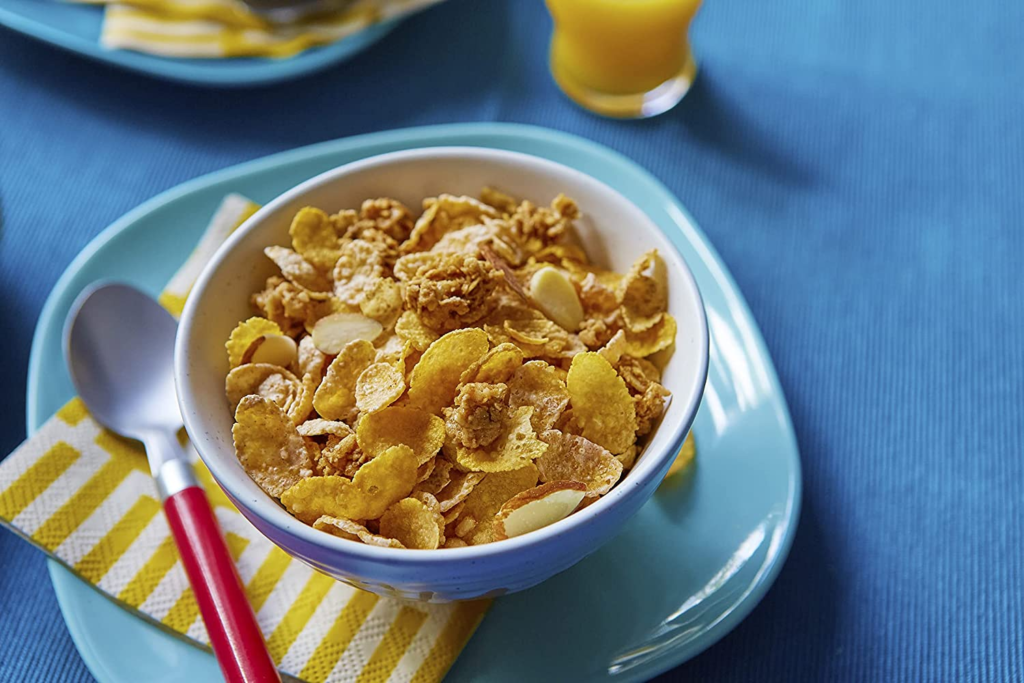
Honey Bunches of Oats Nutrition Value
Corn, whole wheat, and whole oats are three types of whole grains. These are combined in Honey Bunches of Oats.
It also includes some processed carbs in addition to other organic and synthetic substances.
Like most morning cereals, it is high in carbohydrates and low in fiber, protein, and fats.
The following nutrients are contained in a 3/4-cup (30-gram) portion of the cereal’s original flavor:
| Calories | 120 |
| Carbs | 23 grams |
| Fat | 2 grams |
| Fiber | 2 grams |
| Protein | 2 grams |
| Sugar | 6 grams |
| Vitamin A | 16% of the DV (Daily Value) |
| Iron | 60% of the DV |
| Vitamin B1, B2, B3, B6, and B12 | 25% of the DV |
| Folic Acid | 50% of the DV |
However, adding milk alters the cereal’s nutritional profile. Adding 40–60 extra calories to the overall calorie can change the number of carbs, protein, and fat.
According to experts, breakfast should contain 20–25% of your daily caloric intake. Primarily from dairy, cereals, and fruit.
You can simply add milk and fruit to your portion of Honey Bunches of Oats.
Benefits of Honey Bunches of Oats
Many of the health advantages of breakfast cereals are attributed to their high vitamin and mineral content.
To ensure greater quantities, nutrients are added during processing. Therefore, most of the vitamins and minerals in Honey Bunches of Oats come from fortification.
However, research suggests that folic acid and iron supplementation have significantly reduced the frequency of anemia. Also, defective neural tube development, respectively.
Additionally, studies on kids and teenagers have connected regular cereal consumption with more milk drinking. It helps to support higher calcium and vitamin B2 intakes.
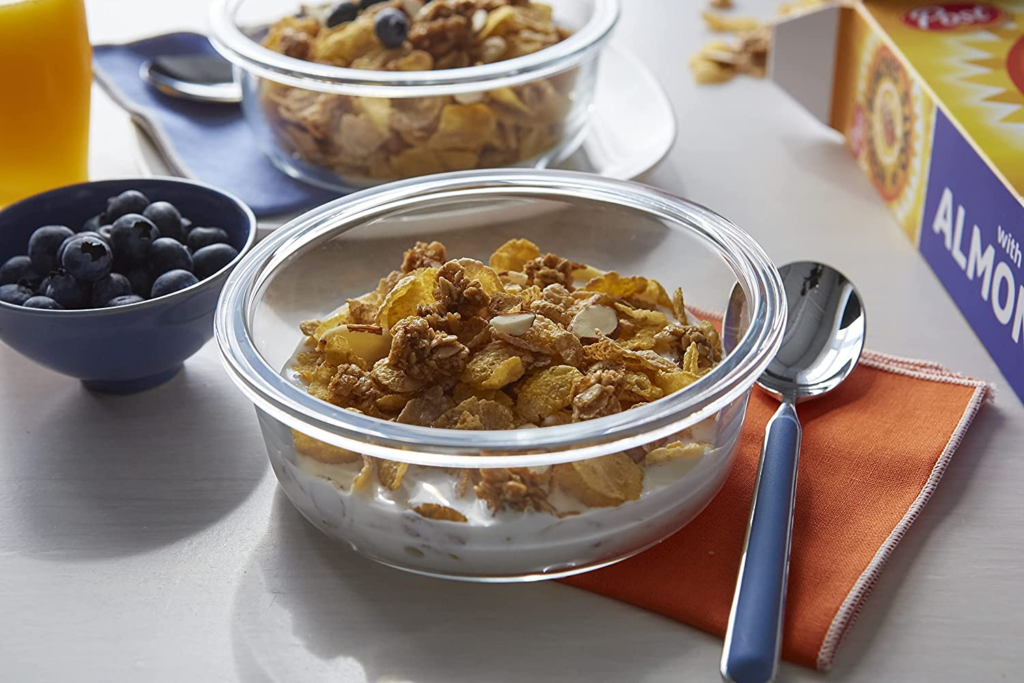
Honey Bunches of Oats is Fortified
The FDA has mandated that breakfast cereals, especially Honey Bunches of Oats, be fortified with vital vitamins and minerals. This is excellent news if you are even remotely concerned about your health.
It is specifically fortified with the B complex vitamins. It is beneficial for hemopoiesis, or the production of blood in your body.
However, you may experience the negative effects of hypervitaminosis if you take unprescribed vitamin supplements.
Low in Calories
A calorie has both good and bad effects. The availability of low-calorie versions of everyone’s favorite foods today has thrown the planet into an unending pit. Honey Bunches of Oats brings you the good news in this case.
This cereal only contains 120 calories per 30 grams. However, it will also sate your hunger and calm your appetite. It will become nothing less than a delectable indulgence if you add some fruits and nuts.
Good For the Women
Women who are sexually active are more likely to experience iron and folic acid deficits. Anemia, neural tube defects, and infant mortality rate all rise as a result of this.
Iron and folic acid can both be found in abundance in Honey Bunches of Oats. The protein level will improve the meal’s nutritious worth because milk is typically served with it.
Adequate Amount of Whole Grain
Honey Bunches of Oats contains more entire grains, such as whole wheat, bran, rice, corn, etc. Both preventing obesity and lowering cholesterol are advantages of grains.
Grains that have not been processed will keep you fuller for longer. It will provide you roughage, which you will like in the bathroom because it facilitates bowel movement.
Related Post: Are Fish Sticks Healthy – 10 Healthy And Unhealthy Facts
Potential Downsides of Honey Bunches of Oats
Honey Bunches of Oats might not offer a well-balanced breakfast because of its nutritional profile. It has some downsides too that need to be considered.
High Level of Added Sugar
Every breakfast cereal, including honey bunches of oats, has a ton of extra sugar. High sugar consumption when paired with refined carbohydrates is equivalent to poison.
They have the effect of a slow poison. It can raise your risk of being overweight or obese, type 2 diabetes, and heart disease.
From a young age, children are given extra sugars, making them a dangerous issue for everyone, not just adults. Their preference for sugar and sweets grows as a result.
These dietary habits persist into later life, eventually causing the development of chronic medical disorders.
Low in Protein and Fiber
Despite being constructed of entire grains, honey bunches of oats are not regarded as healthy, high-fiber cereals. Because the recommended range does not include the necessary amounts of fiber to qualify as a healthy cereal.
A product is regarded as high fiber if it has at least 5 g of fiber per serving. A product is considered to be a good source of fiber if it contains at least 3 g of fiber per serving.
But there are only 2 grams of fiber in one serving of honey oat bunches. It is therefore a subpar source of fiber.
According to a study, those who consumed high-fiber breakfast cereal felt satisfied for up to 4 hours longer than those who received low-fiber fare. Protein and fiber-rich foods also discourage unhealthy snacking and lower daily calorie intake.
Low Amount of Honey
Honey Bunches of Oats just contains enough honey to support the packaging’s assertion that it does. You are merely feeding yourself a spoonful of sugar while raving about how amazing these taste.
High Level of Gluten
Gluten is present in Honey Bunches of Oats. A genetically inherited metabolic abnormality causes gluten sensitivity in a large number of people.
Even a small serving of this cereal will cause bloating, fatigue, and diarrhea if you are gluten intolerant. It doesn’t sound like something you would want to find yourself in.
Healthy Alternatives of Honey Bunches of Oats
According to research, eating breakfast dishes with whole grains and nutrient-dense ingredients may improve health outcomes. Such as eggs and other protein sources.
At least 3 servings of complete grains and 5.5 servings of protein should be consumed daily. It is according to the US Dietary Guidelines.
You can comply with this guideline by including some of these in your breakfast.
Here are some better breakfast options:
Over Night Oats
Raw oats should be combined with milk or water and refrigerated overnight. In the morning, garnish with fruits, unsweetened coconut, nut butter, or seeds.
Butter is a great source of protein. Per serving, butter has 7 grams of protein. You can have butter with your bread or toast.
| Quaker Old Fashioned Rolled Oats | Check Price here |
| BARNEY Almond Butter | Check Price here |
Make sure you’re not missing out on any protein from your breakfast.
Breakfast Burritos
Wrapped in a whole-wheat tortilla, scrambled eggs are packed with extra fiber-rich vegetables.
Related Article: Are Burritos Healthy? [Benefits and Risks]
Breakfast Smoothies
Blend your preferred milk with your favorite fruits, and for an added protein boost, stir in some Greek yogurt. Oats are another option for a high-fiber carbohydrate diet.
Avocado Toast
On a slice of whole-grain bread, spread 1-2 teaspoons of mashed avocado. For a source of superior protein, you may add some cheese, hard-boiled eggs, or salmon to the dish’s toppings.
Veggie Omelet
Two eggs should be beaten and taste-seasoned. Before flipping the omelet, cook the eggs in a pan and add as many vegetables as you’d like.
Oatmeal Pancakes
In a bowl, combine chia seeds, a banana, raw oats, and two eggs. Pour the pancake mixture into a pan and cook the pancakes after adding some cinnamon and vanilla essence for taste.
Chia Puddings
About two tablespoons of chia seeds and your preferred milk should be combined. Serve them with fresh fruit and nuts after letting them set for an hour or overnight.
FAQs
How Unhealthy is Honey Bunches of Oats?
Honey Bunches of Oats does not offer a balanced breakfast since, like most breakfast cereals. Despite being fortified with vitamins and minerals. It is heavy in added sugar and poor in fiber and protein. Dietary recommendations advise including a lot of protein and fiber in your morning routine.
Does Honey Bunches of Oats Make You Gain Weight?
Yes, Honey Bunches of Oats cause weight gain. Many morning cereals, like Honey Bunches of Oats, typically contain sugar among the top three components. Excessive amounts of processed carbs and added sugar have been linked to severe disease. Such as a higher risk of heart disease, and type 2 diabetes.
Can You Eat Honey Bunches of Oats on a Diet?
Honey Bunches of Oats is low in calories and devoid of additional vitamins or minerals. Rather, it has a high carbohydrate content and little protein and fiber. You can anticipate weight loss and improved health if you consume these items in moderation.
Conclusion
Still wondering, are honey bunches of oats healthy? While not precisely a healthy snack, Honey Bunches of Oats isn’t exactly considered junk food either. If you choose to, consume it in moderation, and everything will be OK.
Choose a more straightforward option for your typical breakfast, such as raw milled oats. Take it easy on your body and your wallet.
Are Baby Carrots Acidic? Baby Carrots and Acid Reflux

When managing acid reflux, choosing the right foods is critical to avoiding uncomfortable symptoms like heartburn and regurgitation. If you enjoy snacking on baby carrots, you may wonder: Are baby carrots acidic, and can they fit into an acid reflux-friendly diet?
Baby carrots are a great choice for managing acid reflux because they are low in acid, low in calories, and high in fiber. Additionally, they are a healthy snack that is easy to prepare and eat.
This article dives into the acidity of baby carrots, their nutritional profile, and their potential role in managing acid reflux.
Understanding Baby Carrots
Baby carrots are small, tender carrots that are either naturally grown to be small or cut and shaped from larger carrots. They are prized for their convenience, sweetness, and crunch. Like regular carrots, they are packed with essential nutrients that make them a healthy choice for most diets.
Baby carrots are also low in calories and high in fiber, making them a great snack for those looking to watch their weight. They are also relatively inexpensive and easy to find in most grocery stores.
Author Tip: Are Carrots Good for You?
Are Baby Carrots Acidic?
To answer whether baby carrots are acidic, we need to consider their pH level:
- pH Level of Baby Carrots: Baby carrots have a pH level of around 5 to 6, placing them in the mildly acidic to neutral range. This makes them less acidic compared to many fruits and vegetables, such as tomatoes or citrus fruits.
- Alkaline-Forming in the Body: Despite their mild acidity, carrots are often considered alkaline-forming after digestion. This means they can help balance your body’s pH levels and potentially soothe acid reflux symptoms.
Related to Read: Are Carrot Sticks Acidic?
Nutritional Benefits of Baby Carrots
Baby carrots are a nutrient powerhouse and can provide numerous health benefits, including support for acid reflux management:
1. Rich in Fiber
Fiber aids digestion by promoting regular bowel movements and preventing constipation, which can worsen acid reflux by increasing abdominal pressure. Baby carrots are an excellent source of dietary fiber. Research suggest that fiber is very beneficial for stomach health.
2. High in Vitamin A
Carrots are rich in beta-carotene, which the body converts to vitamin A. This nutrient supports healthy mucous membranes, including the lining of the esophagus, which can be irritated by acid reflux.
3. Low Calorie and Low Fat
Baby carrots are naturally low in calories and fat, making them a light snack that doesn’t put additional strain on the digestive system or trigger reflux symptoms.
4. Hydrating Properties
Baby carrots have a high water content, which can help dilute stomach acid and reduce the likelihood of acid reflux episodes.
Can Baby Carrots Trigger Acid Reflux?
Although baby carrots are generally considered safe and beneficial for those with acid reflux, individual reactions can vary. Here are some factors to keep in mind:
- Portion Size: Eating a large quantity of baby carrots in one sitting may cause bloating or stomach discomfort, which could worsen acid reflux.
- Raw vs. Cooked: Raw baby carrots are crunchy and fibrous, which may be harder to digest for some individuals. Steaming or boiling them can make them gentler on the stomach.
- Acidity Tolerance: While mildly acidic, baby carrots are unlikely to trigger reflux in most people. However, those with severe acid reflux should monitor their symptoms after consumption.
How to Incorporate Baby Carrots into an Acid Reflux-Friendly Diet
Baby carrots can be a versatile addition to your meals or snacks. Here are some tips to enjoy them while minimizing the risk of acid reflux:
1. Snack on Raw or Steamed Carrots
Enjoy baby carrots as a snack on their own or with a reflux-friendly dip like hummus. Steamed carrots are an even gentler option for those with sensitive stomachs.
2. Add to Soups and Stews
Incorporate baby carrots into soups, stews, or broths for added nutrition and flavor. Cooking them softens their texture and makes them easier to digest.
3. Blend into Smoothies
For a nutrient-packed smoothie, blend baby carrots with alkaline fruits like bananas or melons. This can create a refreshing and reflux-friendly drink.
4. Include in Salads
Shred or chop baby carrots into salads made with leafy greens and a light, non-acidic dressing.
Other Reflux-Friendly Vegetables to Pair with Baby Carrots
Pairing baby carrots with other low-acid vegetables can further enhance your diet. Consider adding:
Foods to Avoid When Eating Baby Carrots
To prevent acid reflux, avoid combining baby carrots with common trigger foods such as:
- Spicy dips or sauces
- Acidic dressings, like vinegar-based options
- High-fat dips, such as creamy cheese-based spreads
- Carbonated beverages
Author Tip: 7 Kinds of Foods to Avoid with GERD
Lifestyle Tips for Managing Acid Reflux
In addition to choosing the right foods, consider these tips to manage acid reflux effectively:
- Eat Smaller Meals: Large meals can increase pressure on the lower esophageal sphincter (LES).
- Chew Thoroughly: Take your time to chew baby carrots and other foods well to aid digestion.
- Stay Upright After Eating: Avoid lying down for at least 2-3 hours after meals.
- Elevate Your Head During Sleep: Use a wedge pillow to prevent acid from rising during the night.
- Maintain a Healthy Weight: Excess weight can put pressure on the LES, worsening acid reflux.
Frequently Asked Questions
1. Can baby carrots cure acid reflux?
Baby carrots cannot cure acid reflux but can be part of a balanced diet that helps manage symptoms. Their fiber and low acidity make them a supportive food choice.
2. Are baby carrots better than regular carrots for acid reflux?
Nutritionally, baby carrots and regular carrots are very similar. Both can be included in an acid reflux-friendly diet, and the choice depends on personal preference.
3. How many baby carrots can I eat if I have acid reflux?
Moderation is key. Start with a small serving, such as 5-10 baby carrots, and observe how your body reacts. Gradually increase the portion if tolerated well.
Conclusion: Are Baby Carrots Acidic?
Baby carrots are mildly acidic but generally considered safe and beneficial for individuals with acid reflux. Their low acidity, high fiber content, and nutrient-rich profile make them an excellent choice for snacking or incorporating into meals. By preparing baby carrots in reflux-friendly ways and being mindful of portion sizes, you can enjoy their health benefits without triggering symptoms.
As with any dietary change, monitor your body’s response and consult a healthcare provider for personalized advice if needed. Baby carrots can be a tasty and nutritious ally in your journey to manage acid reflux effectively.