
Are Lean Cuisines Healthy? Secrets Revealed!

Medically reviewed by Christiana George Updated Date: January 2, 2026
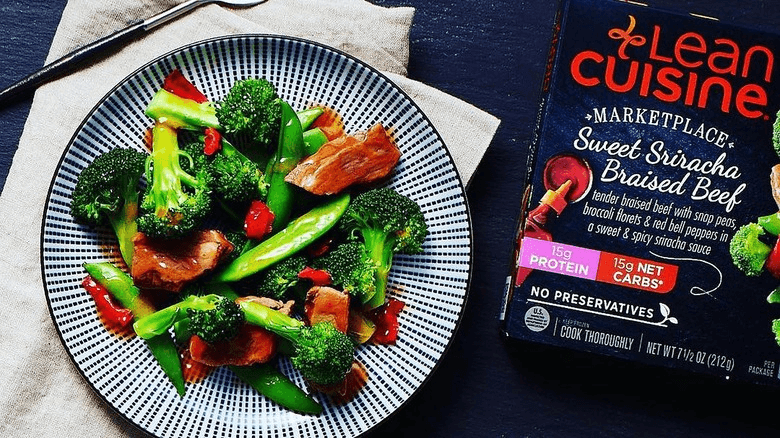
Lean cuisine is a term used to refer to foods that are lower in fat and calories. It’s a very popular diet trend, especially for those looking to lose weight. But aside from the benefits, there are several side effects too.
So, you want to know are lean cuisines healthy?
Lean cuisines are frequently criticized for having fewer nutritious ingredients. They are blamed for contributing to weight gain and bad health. The good news is that some lean foods support a healthier lifestyle. However, some lean cuisines are truly not what they advertise and promise to serve.
Here, we investigate whether lean cuisine is good or bad for you. So let’s get started.
So, are lean cuisines healthy or not?
The answer is very simple. Lean cuisines are supposed to have less fat and cholesterol. Additionally, they should serve you with fewer calories. If a lean cuisine has these characteristics then it’s healthy for you.
If you are searching for ways to eat healthier and lose weight, it is important what you’re eating. Unbalanced eating habits can result in health issues.
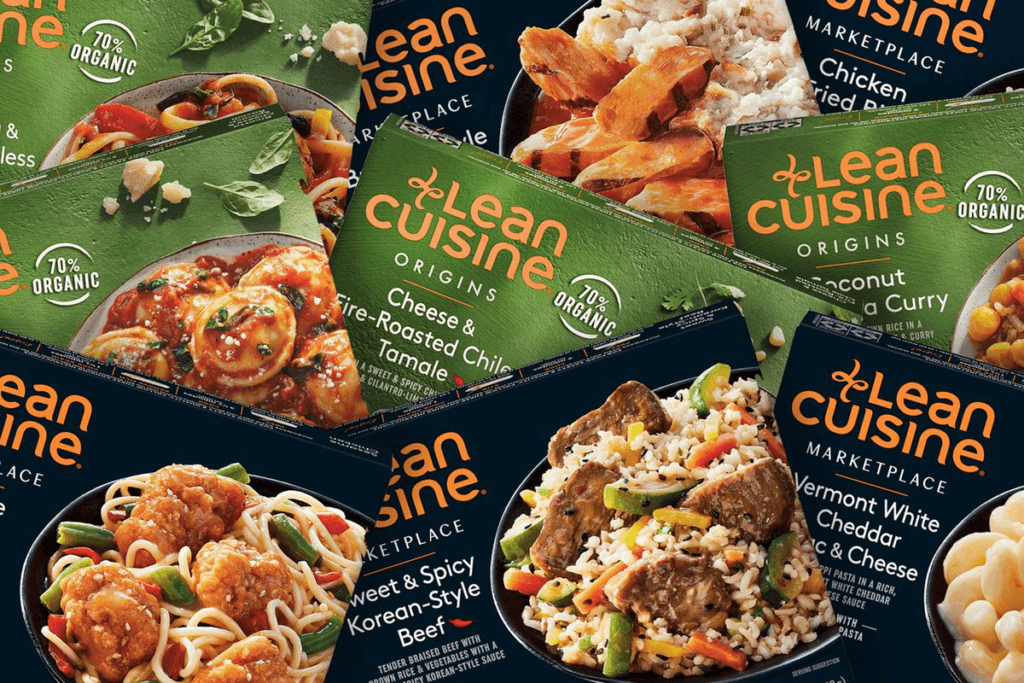
Lean Cuisine is a term used to refer to the eating habits of people who follow a particular diet. The concept came up after the success of the movie Fat, Sick, and Nearly Dead starring Mark Sisson and Joe Cross.
Many people who wanted to improve their health were inspired by this film. As a result, it became a widely accepted idea.
If we check the nutritional values of lean cuisine, it’ll clear out all the doubts. Let’s look at the nutrition facts to get a better analysis of the food.
What are the Nutrition Facts of Lean Cuisines?
There are many low-cuisine food recipes available to choose from. We’ve chosen the favorite of most people, Chicken Enchilada Suiza.
Let’s have a quick overview of the nutrition table.
| Nutrients | Amount | Daily value % per 255 grams |
| Calories | 281 | 14% |
| Protein | 10g | 20% |
| Carbs | 51g | 17% |
| Fat | 4g | 5% |
| Fiber | 3.1g | 11% |
| Sugar | 7g | 14% |
The table below shows the nutrition facts per one serving (255 g) of lean cuisine.
| Nutrients | Amount | Daily value % per 255 grams |
| Total fat | 4g | 5% |
| Cholesterol | 20.4 mg | 7% |
| Sodium | 520.2 mg | 23% |
| Total carbohydrate | 51g | 17% |
| Dietary fiber | 3.1g | 11% |
| Total sugars | 7g | 14% |
| Protein | 10g | 20% |
| Vitamin-C | 1.3 mg | 1% |
| Iron | 1.1 mg | 6% |
| Calcium | 150.5 mg | 12% |
| Potassium | 339.2 mg | 7% |
So, the table shows that lean cuisines contain many vital nutrients. For our body to function properly, these nutrients are necessary. The only concerning part we think is the sodium level. People with cardiovascular disease may not find it suitable.
You might be wondering, does lean cuisine have a lot of carbohydrates? Let’s quickly review the pie chart below.
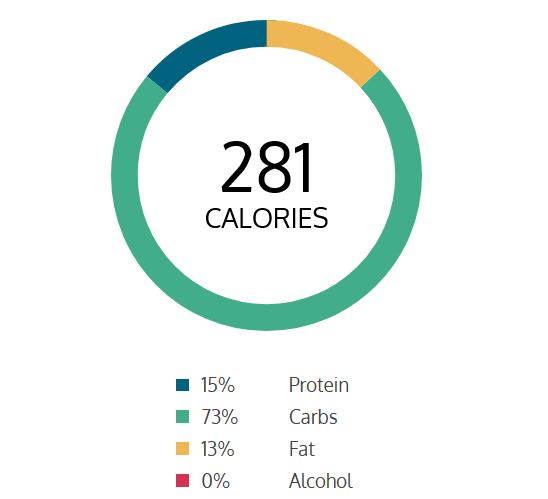
So, the pie chart shows that most of the calories of lean cuisine come from carbohydrates. It’s a good thing since carbohydrates are crucial to our body.
What are Some Myths About Lean Cuisine?
There are some myths in the air about lean cuisines. We’re here to bust some myths. So, let’s begin.
Myth 1: Lean Cuisines Can Make you Lose Weight.
It’s true to some extent that lean cuisines don’t add weight. Lean cuisines cannot make you lose weight. However, losing weight depends on some other important factors. Such as your carbohydrate intake, your protein intake, and exercise.
Also losing is not a quick procedure, it takes time. A person’s genetics and hormones also affect the overall body weight. Hence, burning more calories compared to the calories taken is not enough to lose weight.
Myth 2: Lean Cuisines Have Fewer Calories
In the nutritional fact section, we’ve seen that lean cuisines may contain 200-450 calories per serving. As a result, having lean cuisine regularly can make you gain calories faster. Those calories will gradually add weight to the body.
The daily recommended value of calories for adults is around 1000 to 1500 calories. So, having 3 or more servings of lean cuisine can surpass the DV and add extra calories. Extra calories mean extra weight in the body.
What are the Health Benefits of Lean Cuisines?
Lean cuisines are filled with dietary fiber, carbohydrates, vitamins, and minerals.Let’s talk in detail about the advantages to your health.
Reason 1: Fiber-rich
Our bodies require fiber as a vital component. Fiber comes in two varieties: soluble fiber and insoluble fiber.
Gaining a healthy weight and lowering bad cholesterol are all benefits of fiber. Fibers also reduce the risk of diabetes, heart disease, and even cancer.
Lean cuisines contain 3.1 grams of dietary fiber per 255 servings. That’s almost 11% of the daily recommended value of fiber intake. Try to combine lean cuisines with other fiber-rich food sources, it’ll help you to meet your daily intake of fiber.
Reason 2: No Added Preservatives.
Preservatives are chemical substances used to store foods and keep them fresh. Preservative prevents producing bacterias in the food. However, too much preservative in the body can cause hypersensitivity, neurological dysfunction, and even cancer.
Some of the most harmful preservatives are sodium nitrate, potassium bromate, BHA, etc. Luckily, we don’t have any in lean cuisines.
Reason 3: Serves Enough Protein
Protein helps muscle mass, increases strength, and lowers blood pressure. Lean cuisines contain a total of 10 grams of protein. Around 0.8 grams of protein per kilogram of body weight is recommended per day.
For instance, a 55kg person should take 44 grams of protein per day. So, one serving of 255 lean dishes can provide 20% of the daily value. So, lean cuisines are a good source of quickly filling out protein needs.
Reason 4: Vitamin C
Our bodies require vitamin C because it aids in the healing of damaged tissues. You get 1% of your recommended daily intake of vitamin C from one serving of lean cuisines.
Vitamin C prevents heart disease, neutralizes blood pressure, and improves memory. Also, a lack of vitamin C in the body causes skin, hair, and dental damage.
Reason 5: Rich in Potassium
Potassium is undoubtedly the most important elements in the body. One serving of lean cuisine provides 339 mg of potassium, which is 7% of the DV. Potassium helps to synthesize protein and metabolize carbs in the body.
Additionally, it supports the healthy operation of the body’s cells and nerves. Therefore, a deficiency in potassium can lead to serious health issues.
Now you might be thinking, are frozen lean cuisines healthy?
Because of their nutritional content, frozen lean foods are thought to be healthy. However, they are processed with high-level sodium and other chemical agents. As a result, it’s harmful to the body rather than beneficial.
What are the Long-Term Side Effects of Lean Cuisines?
Well regardless of having so many nutrients, lean cuisine is unhealthy too for some reasons. Let’s explore those reasons in detail.
Reason 1: High Amount of Sodium
Lean foods contain a lot of salt or sodium. The daily recommended salt intake is around 6 grams. 255 grams of lean cuisines contain 520.2 mg of sodium, which is 23% of DV.
Excessive sodium intake increases blood pressure, chances of heart attack, and even stroke. Doctors recommend cutting down on extra sodium from the diet Hence, next time while having lean cuisines keep the recommended intake in mind.
Reason 2: High in Potassium
Potassium is one of the most crucial components of the body. One serving of lean cuisine provides 339.2 mg of potassium, which is 7% of the DV. Potassium helps to synthesize protein and metabolize carbs in the body.
However, excess potassium intake can cause potassium overdose. When the body fails to process the extra potassium it results in nausea, vomiting, and fatigue.
Also read:
Is Mac and Cheese Healthy? Calories, Nutrition, and a Awesome Recipe
Summary
Lean cuisines are foods that are low in fat and calories. Lean cuisines are healthy foods for people who cut calories. You can either buy them chilled or frozen.
The only difference between the two is that the frozen ones are freshly prepared and have a longer shelf life. Nonetheless, it’s also true that compared to other high-calorie foods lean cuisine serves pretty low. Almost 72% of lean cuisines are carbohydrates.
Lean cuisines are also loaded with vitamins and minerals such as vitamin C, fiber, potassium, and calcium. These nutrients are a must for healthy body function. Hence, people who want to maintain a healthy diet can have lean cuisines.
FAQs
Are the calories on Lean Cuisine accurate?
No, you can’t accurately count on calories. Calorie counts may vary despite the mentioned value in the packaging. Many studies have found that actual calories differ from the calories written in the package. However, it’s not really a big deal.
What are the healthiest frozen dinners to eat?
Frozen foods are generally not healthy but there are some frozen foods that are healthier. Such as lean cuisine chicken teriyaki, veggie scramble, Kellogg’s plant-based protein bowl, etc. Their low-calorie counts make them a comparatively healthier choice.
Can you cook ready meals in an air fryer?
Yes is the answer. Lean cuisines are frozen goods that can be cooked using an air fryer. What’s more, is that air fryers can perfectly cook your frozen food compared to normal cooking. Also, it can save you some time on the go.
Conclusion
So that was all about Lean Cuisines for today. Hope we’ve covered everything and cleared out every aspect of your query.
Now you’d be able to decide are lean cuisines healthy or not. Don’t hesitate to send us your feedback and suggestions.
We’ll catch up with you in the next one. Till then stay fit and healthy. Goodbye.
Related Posts

Subscribe for New Racipies
Get mental health tips, updates, and resources delivered to your inbox.
Does Sprite Have Caffeine? Full Breakdown of Sprite Ingredients, Sugar, and Soda Comparisons (2026)


As a board-certified physician in preventive medicine and nutrition, I spend a significant portion of my day discussing dietary habits. Just yesterday, I interviewed a young patient struggling with severe anxiety and sleep disturbances. She had been diligently avoiding coffee and coffee-flavored treats like chocolate coffee bundt cake but was drinking several large lemon-lime sodas every evening to relax.
She sat in my clinic, visibly exhausted, and honestly asked, does Sprite have caffeine? This incredibly common question reveals a broad public misunderstanding about the hidden ingredients in our daily beverages. People frequently assume that all carbonated sodas contain some level of central nervous system stimulants.
Because of this widespread confusion, I have developed this comprehensive medical and nutritional guide. We need to completely break down the exact chemical profile of this globally beloved beverage. By understanding the science behind the label, you can make informed choices that protect your long-term metabolic health.
TL;DR: Quick Overview
- No, Sprite does not contain any central nervous system stimulants.
- It is a completely caffeine-free lemon-lime soda, which heavily contrasts with dark colas like Coca-Cola or Dr Pepper.
- However, regular Sprite does contain a massive amount of added liquid sugar.
- If you are looking for a completely sugar-free alternative, Sprite Zero offers the same citrus flavor without the caloric load.
What is Sprite?
Sprite is a globally recognized, colorless, lemon-lime flavored soft drink created by The Coca-Cola Company. It was originally developed in West Germany in the late 1950s under the name Fanta Klare Zitrone.
Eventually, it was introduced to the United States market in 1961 as a direct competitor to 7UP. The beverage is specifically marketed for its crisp, clean, and refreshing flavor profile, much like a homemade gin thyme lemonade.
It achieves this distinct taste through a precise formulation of carbonated water, high fructose corn syrup, and natural citrus flavors. Unlike colas, it is intentionally kept clear and free of heavy artificial caramel coloring.
Why Understanding Soda Ingredients is Important?
As a medical doctor, I constantly warn my patients about the dangers of drinking their daily calories. Liquid beverages bypass the normal digestive signals that tell your brain you are full.
When you consume highly processed sodas, you are flooding your bloodstream with chemicals and sugars at an unnatural rate. This rapid absorption severely stresses your pancreas and liver.
Understanding exactly what is in your cup is the first line of defense against metabolic syndrome. If you do not read your beverage labels, you risk accidentally consuming massive doses of stimulants or sugars that directly harm your body, completely undoing the benefits of a healthy breakfast like buckwheat crepes.
Does Sprite Have Caffeine? (Quick Answer)

To answer the core question directly and scientifically: no, the beverage is completely free of any chemical stimulants. Whether you are drinking Sprite from a can or a glass bottle, the answer remains zero.
The Coca-Cola Company strictly formulates this specific product line to be a non-stimulating refreshment. Therefore, if you are wondering if Sprite has caffeine, you can rest assured it will not keep you awake at night.
Sprite Caffeine Content (Official Facts)
When evaluating dietary intake in a clinical setting, we rely on exact nutritional data. The official Sprite caffeine content metric does Sprite have caffeine? It is exactly zero milligrams across all standard packaging sizes.
This means that a standard 12-ounce can, a 20-ounce bottle, and a two-liter jug all share the same zero-stimulant profile. The manufacturer achieves this by simply excluding the chemical from the raw syrup during the initial production phase.
Does Sprite Have Caffeine in It Compared to Coca-Cola?
Many patients assume that all products manufactured by The Coca-Cola Company share a similar chemical base. However, when we ask, Does Sprite have caffeine like Coca-Cola? we see a massive formulation difference.
A standard 12-ounce can of Coca-Cola contains approximately 34 milligrams of active stimulants. The dark cola relies on this chemical additive to balance its heavy sweetness with a slight, underlying bitterness.
In stark contrast, the clear lemon-lime drink contains exactly zero milligrams. If you are highly sensitive to heart palpitations, the clear citrus beverage is the vastly safer option compared to the dark cola.
Does Sprite Zero Have Caffeine?
Patients managing diabetes frequently ask me about the zero-calorie alternatives on the market. They often wonder, does Sprite Zero have caffeine since it is marketed as a diet product?
The answer is exactly the same as the original formulation: it contains absolutely zero milligrams of stimulating compounds. The primary difference between the two beverages is entirely based on the sweetening agents used.
The manufacturer removes the high fructose corn syrup and replaces it with artificial, non-caloric sweeteners. Therefore, Does Sprite Zero have caffeine is a common misconception; it remains a perfectly stimulant-free option.
Does Sprite Have Sugar?
This is perhaps the most critical nutritional section of this entire medical guide. While it lacks stimulants, does Sprite have sugar is a question with a very concerning clinical answer.
A standard 12-ounce can of the regular formulation contains a staggering 38 grams of added sugar. To put this into a visual medical perspective, that is the equivalent of consuming nearly ten teaspoons of pure table sugar, which is more than you might find in some mini hot chocolate donuts.
When you drink Does Sprite have sugar, your body rapidly absorbs this massive load of high fructose corn syrup. Your liver is forced to aggressively process the fructose, converting a large portion of it directly into visceral fat.
Furthermore, this rapid sugar absorption forces your pancreas to pump out massive amounts of insulin. Over time, these aggressive daily insulin spikes lead directly to cellular insulin resistance.
Insulin resistance is the primary physiological gateway to developing type 2 diabetes and non-alcoholic fatty liver disease. Therefore, as a physician, I view the sugar content of this beverage as a severe, chronic health threat.
Sprite vs Other Sodas (Caffeine Comparison)
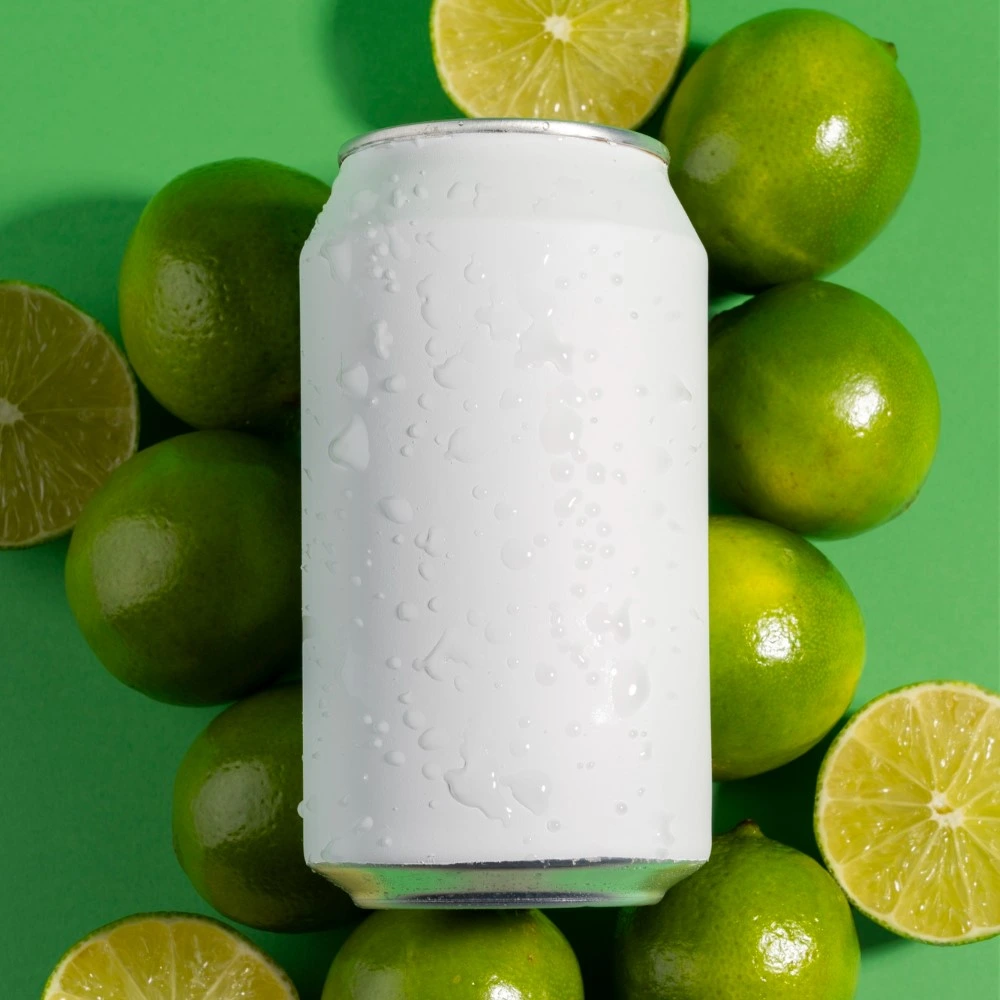
To make informed choices, you must understand how different soft drinks compare within the commercial marketplace. Many patients ask me what sodas have caffeine when they are trying to monitor their daily intake.
As established, our primary lemon-lime beverage sits at zero milligrams. Similarly, if you ask Does 7UP have caffeine or Does Fanta have caffeine, the answer is also zero, as most fruit-flavored sodas exclude stimulants.
However, if you ask does coke have caffeine or does dr pepper have caffeine, the clinical profile changes drastically. Coca-Cola provides about 34 milligrams, while Dr Pepper delivers roughly 41 milligrams per standard serving.
Does Sprite Have Caffeine at McDonald’s?
Fast-food fountain drinks are notorious for having slightly different flavor profiles than their canned counterparts. I often have patients ask, does sprite have caffeine mcdonald’s because it tastes distinctly sharper.
Despite the superior taste, the fountain version served at this restaurant remains completely free of any stimulants. The unique flavor profile is actually the result of a specialized syrup-to-water ratio.
McDonald’s chills their filtered water and their raw syrup separately before they mix in the fountain nozzle. This aggressive chilling process preserves carbonation better, but it does not alter the underlying chemical ingredients.
Does Sprite Have Caffeine in Canada or Other Countries?
Food regulations vary wildly across different international borders. Consequently, travelers often ask me does sprite have caffeine in canada or across Europe.
The Coca-Cola Company maintains a highly standardized global recipe for this specific beverage. Therefore, whether you purchase it in Toronto, London, or Tokyo, it will remain completely devoid of stimulants.
While certain countries might use real cane sugar instead of high fructose corn syrup due to local laws, the stimulant profile remains consistently at zero worldwide.
Why Sprite Does NOT Have Caffeine
Understanding beverage formulation helps clarify why certain chemicals are omitted. Historically, lemon-lime sodas are typically formulated to be crisp, thirst-quenching, and light on the palate.
Central nervous system stimulants are naturally incredibly bitter chemical compounds. When manufacturers add them to dark colas, they must use massive amounts of heavy syrup to mask that harsh bitterness.
Because clear citrus sodas are meant to be light and highly refreshing, adding a bitter chemical would completely ruin the delicate flavor profile. Therefore, the manufacturer intentionally leaves it out to preserve the crisp fruit taste.
Is Sprite Healthier Because It Has No Caffeine? (MD Perspective)
In my clinic, patients frequently try to negotiate their dietary habits, sometimes abandoning healthy options like a fava bean salad with mint and ricotta cheese for fast food and sodas. They will argue that their daily citrus soda is healthy simply because it lacks artificial stimulants.
As a medical doctor, I must strongly correct this dangerous nutritional misconception. While avoiding late-night stimulants is excellent for your sleep hygiene, caffeine-free absolutely does not equal healthy.
The sheer volume of highly processed liquid sugar in this beverage causes massive cellular inflammation and metabolic disruption. The absence of one chemical does not negate the severe biological damage caused by another.
Caffeine vs Sugar: Which Matters More?
When evaluating the query does sprite have caffeine or sugar, we must analyze which compound poses a greater long-term risk. Does Sprite have caffeine or sugar is a common search, and the reality is that the sugar is vastly more dangerous.
Moderate consumption of central nervous system stimulants is generally recognized as safe for healthy adults. In fact, moderate coffee intake is linked to certain cardiovascular benefits.
However, there is absolutely zero biological requirement for refined liquid sugar in the human body. The heavy sugar load in soft drinks is a primary driver of the global obesity and diabetes epidemics.
Health Effects of Drinking Sprite
To truly understand the impact of this beverage, we must examine the specific physiological consequences of routine consumption. Beyond the massive sugar load, this drink contains high levels of concentrated citric acid.
This synthetic citric acid aggressively lowers the pH balance inside your mouth, creating a highly acidic environment. This acid rapidly dissolves your dental enamel, leading to severe cavities and irreversible tooth decay.
Additionally, the liquid calories provide absolutely zero nutritional satiety. You can consume hundreds of calories in minutes without feeling full, leading to a massive daily caloric surplus, equivalent to eating a massive slice of devils food cake with swiss meringue buttercream.
Does Sweet Tea Have Caffeine?
When patients try to transition away from clear sodas, they frequently turn to traditional Southern beverages or spiced tea desserts like melty chai ice cream. They will sit in my office and ask, does sweet tea have caffeine?
Yes, traditional sweet tea absolutely contains active stimulating compounds. It is brewed from the leaves of the Camellia sinensis plant, which naturally produces the chemical as an evolutionary defense mechanism.
A standard cup of sweet tea typically yields anywhere from 40 to 70 milligrams of active stimulants. Furthermore, it is usually packed with as much sugar as a commercial soda, making it a poor nutritional substitute.
Does Sprite Contain Any Stimulants?
Beyond traditional stimulants, the modern beverage market is flooded with alternative energy additives. Patients often want to know if there are hidden chemicals like guarana or taurine in their clear sodas.
I can verify that this specific commercial beverage contains absolutely no hidden energy supplements. It is not an energy drink; it is simply a traditional, sugar-sweetened soft drink.
There are no botanical extracts, synthetic amino acids, or hidden neurological stimulants in the official recipe.
What Sodas Have Caffeine?
If you are actively seeking a mid-day energy boost, clear citrus sodas will not help you. You need to know exactly which commercial soft drinks provide that chemical stimulation.
Generally speaking, all major cola brands contain a moderate dose of active stimulants. This includes Coca-Cola, Pepsi, RC Cola, and most store-brand cola knockoffs.
Additionally, aggressive citrus sodas like Mountain Dew and Surge are heavily fortified with stimulants specifically to rival energy drinks. Always read the nutritional label, as the FDA requires manufacturers to list added stimulants clearly.
Frequently Asked Questions
Does the standard formulation contain any stimulants?
No, the standard beverage is entirely free of any central nervous system stimulants. It is formulated specifically as a caffeine-free, fruit-flavored refreshment.
Will the zero-sugar diet version keep me awake?
No, the diet alternative also contains exactly zero milligrams of stimulants. It simply replaces the heavy corn syrup with non-caloric artificial sweeteners.
Is this beverage loaded with added dietary sugar?
Yes, heavily so. Unless you specifically purchase the diet variant, a standard serving contains an incredibly dangerous 38 grams of heavily processed liquid sugar.
Is drinking clear soda safer for my heart than drinking dark cola?
It is safer only in the context of avoiding sudden heart rate elevations from stimulants. However, the extreme sugar content in both beverages equally threatens your long-term cardiovascular health.
Why do manufacturers add stimulating chemicals to other soft drinks?
Manufacturers use these chemicals to provide a mild neurological boost that drives habituation. Additionally, the bitter profile of the chemical helps balance the extreme sweetness of heavy caramel colas.
Conclusion
As a medical professional, I cannot stress enough the importance of understanding the exact ingredients in your daily beverages. Throughout this comprehensive medical guide, we have definitively answered the core question regarding the stimulant profile of this globally popular lemon-lime soda. It is completely devoid of central nervous system stimulants, making it a safe choice for those specifically looking to avoid late-night sleep disruptions or unwanted jitteriness.
However, the absence of chemical stimulants does not automatically categorize a beverage as a healthy nutritional choice. The massive sugar load found in the standard formulation remains a significant threat to your metabolic stability, cardiovascular health, and dental integrity. When you consume nearly ten teaspoons of liquid sugar in a single sitting, you severely stress your liver and provoke aggressive insulin spikes.
If you truly enjoy the crisp, citrus flavor, I highly recommend transitioning to sparkling water with a fresh squeeze of actual lemon or lime. This simple substitution protects your body from metabolic disease while still providing the carbonated refreshment you desire. Ultimately, making informed, intentional choices about what you drink is the most powerful step you can take toward preserving your long-term health and vitality.
Evidence-Based References:
- Food and Drug Administration — Spilling the Beans: How Much Caffeine is Too Much?
- StatPearls — Caffeine Toxicity
- National Institutes of Health — Energy Drinks
- National Institutes of Health — How Much Caffeine is Too Much for Young Adolescents?
- National Institutes of Health — Intake and Exposure to Caffeine
- American Academy of Pediatrics — Health Effects of Energy Drinks on Children, Adolescents, and Young Adults
- PubMed — Population pharmacokinetics of caffeine in healthy male adults using mixed-effects models
- PubMed — Caffeine Disposition in Obesity
- National Institutes of Health — Exercise and Sport Performance with Low Doses of Caffeine
- Centers for Disease Control and Prevention — The Buzz on Energy Drinks
- MedlinePlus — Caffeine
- American Heart Association — Caffeine and Heart Disease
Related Posts




Subscribe for New Racipies
Get mental health tips, updates, and resources delivered to your inbox.