Are Pickled Onions Good for You? [Heart and Gut Health]
Raw onions offer many health benefits because they are rich in antioxidant compounds like flavonoids. But what about pickled onions? Are they suitable for you and can you eat them every day?
The answer is yes. Pickled onions are good for you as they are rich in many nutrients, including:
- Folate
- Phosphorus
- Potassium
- Antioxidants
However, pickled items should be eaten in moderation. Some items are high in sugar, and pickled items are generally high in sodium (salt), and are highly acidic. You can choose to eat fermented or unfermented pickled onions. However, eating fermented pickled onions in moderation can benefit your gut health.
Lacto-fermented pickled onions are a specific type of pickled onions. They are thought to be good for your gut health because they contain beneficial bacteria strains.
Besides your gut, these onions are good for your heart and liver since they are also rich in potent antioxidants. Below is a table of the differences between fermented and unfermented onions.
| Fermented Pickled Onions | Unfermented Pickled Onions |
| Uses 2-5% (diluted) brine of salt for fermentation. | Uses 16% (concentrated) brine of salt for preservation |
| Contains naturally occurring beneficial bacterial strains | Lacks beneficial bacteria |
| No pasteurization needed | Must be pasteurized using heat |
| A little sour | Has a mild sweet taste |
| Preserved using lactic acid, spices, and sugar | Preserved using undilute brine |
Since fermented pickled onions are good for you, how do you prepare them, and how much should you consume? In this guide, we will respond to all your questions, including what recipes to pair your pickled onions with.
Are Pickled Onions Good for You?
Yes. Like plain onions, pickled onions contain various micronutrients, including vitamins and minerals. Even better, this food item is low in calories, low in fat, and has zero cholesterol. This makes pickled onions a great addition to your healthy diet as long as you eat them in moderation.
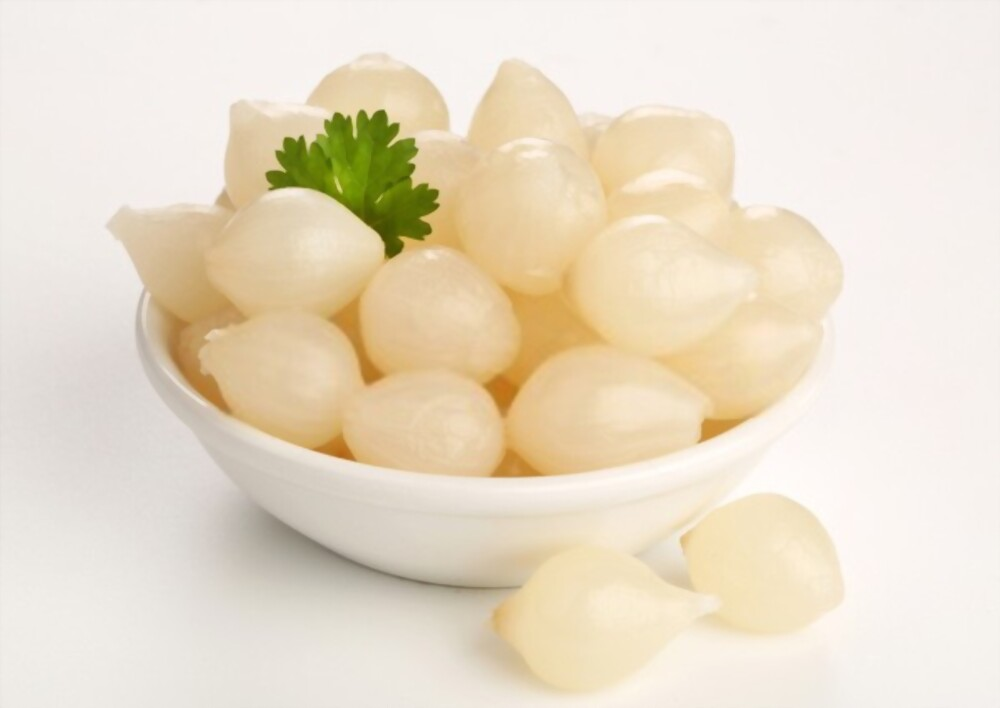
Pickled onions are good for you because they also contain significant folate or vitamin B9. This essential vitamin plays a vital role in forming white and red cells. It may also help improve heart health and lower blood pressure.
In addition, these onions are rich in flavonoids, powerful antioxidants that may help protect against cancer. Flavonoids may also reduce the risk of heart disease.
Below, you can check out the type of nutrients pickled onions in vinegar contain per 50-gram serving size.
| Nutritional Information of Pickled Onions | Amount Per Serving (50 grams) |
| Calories | 23.2 kCal |
| Carbohydrates | 4.3 grams |
| Protein | 0.5 grams |
| Dietary fat | 0.5 grams |
| Sodium | 64 mg |
| Calcium | 11 mg |
| Phosphorus | 11.5 mg |
| Vitamin B6 | 0.05 mg |
Are Pickled Onions Good for Gut Health
Besides being good for your heart; pickled onions may help support a healthy gut. However, this is true only if you eat fermented pickled onions, not unfermented ones. Fermented onions are made with 2 to 5% salt diluted brine instead of vinegar. Therefore, the pickles usually grow naturally occurring lactic acid bacteria, including lactobacillus, after one to two weeks.
These are good bacteria found in the gut, which help maintain a healthy digestive system. In addition, lactic acid bacteria help control intestinal infections and help improve lactose digestion.
How To Make Pickled Onions?
Like preparing the famous candy grapes recipe, making pickled onions is easy. You will need ingredients such as:
- A medium red onion
- 1 1/2 teaspoon sea salt
- 1 tablespoon honey or maple syrup
- 1/4 apple cider vinegar or brine
- 1/2 teaspoon red pepper flakes (optional)
- Bay leaves, cloves, and mustard seeds (optional)
Below is a step-by-step guide to help you prepare crunchy pickled onions with an irresistibly tangy taste.
Step 1: Thinly slice the onion
Cut your red onions into slices about 1/8-inch thick. The thinner the slices, the more quickly they can soften and absorb the vinegar or brine. Then, put your onions in a mason jar.
Note that you could use white or yellow onions, although red onions are the most popular because of their mild flavor.
Step 2: Prepare your pickling liquid
Mix the maple syrup, salt, apple cider vinegar, bay leaves, cloves, and red pepper flakes in a small bowl. You can choose to simmer the mixture over medium heat if you want unfermented pickles or not for fermented pickles.
Step 3: Mix the onions and pickling mixture
Next up, pour your mixture into the mason jar with onions inside. Then, add about one cup of water. After that, cover the jar tightly with a lid and let it sit out for at least 12 to 14 hours.
Step 4: Serve the pickled onions
Once the 12-hour period has elapsed, serve your pickles and refrigerate the leftovers for later. However, you must consume them within a week or two.
How Much Pickled Onions Should You Eat?
You must eat pickled onions in moderation. While they offer many health benefits, pickles also have potential side effects. These adverse effects result from the ingredients used in the pickling process, including vinegar, salt, and other preservatives.

For instance, overeating pickled onions may be dangerous for individuals with diabetes or high blood pressure. This is because the onions contain a significant amount of salt, which can be concerning to those with medical conditions. In addition, eating many pickles increases your risk of stomach cancers due to the high acidic content of vinegar.
What Do Pickled Onions Go Good With?
Although you can eat pickled onions without any accompaniment, they are perfect for adding to different recipes. These include:
Salads
Pickled onions work with just any type of salad. It does not matter whether it is vegetable or green salads, salads of pasta, grilled potato salad, or mixed salads.
Sandwiches
Additionally, you can use the pickles as filling for your sandwiches. You just stuff them in your favorite chicken, egg, ham, seafood, grilled cheese, or Nutella sandwich.
Mexican dishes
Whether you like shrimp, vegetables, or fish tacos, pickled onions pair well with any taco, thanks to their sweet acidity. You can also pile the pickles on your favorite quesadillas made with healthy ingredients.
Hot dogs and buggers
You can also use pickled onions as toppings on buggers and hot dogs. They will definitely add unique flavoring.
How Long Can Pickled Onions Last?
Homemade pickled onions can last between 2 and 3 weeks once opened. You just put the pickles in an airtight mason jar and refrigerate them. But if you refrigerate the onions without opening them, they can last up to six months. This is because vinegar and brine are natural preservatives.
On the other hand, store-bought pickled onions boast extended shelf life than their homemade counterparts. When unopened, the onions can stay fresh for up to 2 years. However, you must keep checking the expiration date. Once opened, you should use them for 2 to 4 months.
FAQs
In this section, we will respond to commonly asked questions regarding whether or not pickled onions are good for you.
Are pickled onions good for weight loss?
Eating pickles will not help you burn excess fat because losing weight involves burning more calories than you consume. However, because these onions are low in calories, you can add them to your weight loss diet. Though, like any food, eating it in excess is not advantageous.
Are pickled onions good for your liver?
Yes. Plain onions are rich in sulfur-containing amino acids, essential for maintaining normal cellular functions. These amino acids also help your liver efficiently remove toxins from your body while preventing fatty liver disease.
Can you eat pickled onions every day?
Ideally, one should not eat an excessive amount of pickled onions. They are best eaten in moderation. This is because the salt, sugar, and vinegar used in the pickling process may lead to digestive issues. You may experience bloating and water retention due to the high amounts of sodium in these pickles.
Conclusion
Pickled onions are good for you as long as you eat them periodically. They are suitable for your heart and gut health, especially when fermented. You can also continue eating them as part of your weight-loss diet.
While you can buy pickles from a grocery store, you can also prepare them at home. The process is easy, just like making mixed berries galette recipes. Even better, you will love that you can pair the onions with a wide range of recipes like tacos, buggers, and salads.
Are Baby Carrots Acidic? Baby Carrots and Acid Reflux

When managing acid reflux, choosing the right foods is critical to avoiding uncomfortable symptoms like heartburn and regurgitation. If you enjoy snacking on baby carrots, you may wonder: Are baby carrots acidic, and can they fit into an acid reflux-friendly diet?
Baby carrots are a great choice for managing acid reflux because they are low in acid, low in calories, and high in fiber. Additionally, they are a healthy snack that is easy to prepare and eat.
This article dives into the acidity of baby carrots, their nutritional profile, and their potential role in managing acid reflux.
Understanding Baby Carrots
Baby carrots are small, tender carrots that are either naturally grown to be small or cut and shaped from larger carrots. They are prized for their convenience, sweetness, and crunch. Like regular carrots, they are packed with essential nutrients that make them a healthy choice for most diets.
Baby carrots are also low in calories and high in fiber, making them a great snack for those looking to watch their weight. They are also relatively inexpensive and easy to find in most grocery stores.
Author Tip: Are Carrots Good for You?
Are Baby Carrots Acidic?
To answer whether baby carrots are acidic, we need to consider their pH level:
- pH Level of Baby Carrots: Baby carrots have a pH level of around 5 to 6, placing them in the mildly acidic to neutral range. This makes them less acidic compared to many fruits and vegetables, such as tomatoes or citrus fruits.
- Alkaline-Forming in the Body: Despite their mild acidity, carrots are often considered alkaline-forming after digestion. This means they can help balance your body’s pH levels and potentially soothe acid reflux symptoms.
Related to Read: Are Carrot Sticks Acidic?
Nutritional Benefits of Baby Carrots
Baby carrots are a nutrient powerhouse and can provide numerous health benefits, including support for acid reflux management:
1. Rich in Fiber
Fiber aids digestion by promoting regular bowel movements and preventing constipation, which can worsen acid reflux by increasing abdominal pressure. Baby carrots are an excellent source of dietary fiber. Research suggest that fiber is very beneficial for stomach health.
2. High in Vitamin A
Carrots are rich in beta-carotene, which the body converts to vitamin A. This nutrient supports healthy mucous membranes, including the lining of the esophagus, which can be irritated by acid reflux.
3. Low Calorie and Low Fat
Baby carrots are naturally low in calories and fat, making them a light snack that doesn’t put additional strain on the digestive system or trigger reflux symptoms.
4. Hydrating Properties
Baby carrots have a high water content, which can help dilute stomach acid and reduce the likelihood of acid reflux episodes.
Can Baby Carrots Trigger Acid Reflux?
Although baby carrots are generally considered safe and beneficial for those with acid reflux, individual reactions can vary. Here are some factors to keep in mind:
- Portion Size: Eating a large quantity of baby carrots in one sitting may cause bloating or stomach discomfort, which could worsen acid reflux.
- Raw vs. Cooked: Raw baby carrots are crunchy and fibrous, which may be harder to digest for some individuals. Steaming or boiling them can make them gentler on the stomach.
- Acidity Tolerance: While mildly acidic, baby carrots are unlikely to trigger reflux in most people. However, those with severe acid reflux should monitor their symptoms after consumption.
How to Incorporate Baby Carrots into an Acid Reflux-Friendly Diet
Baby carrots can be a versatile addition to your meals or snacks. Here are some tips to enjoy them while minimizing the risk of acid reflux:
1. Snack on Raw or Steamed Carrots
Enjoy baby carrots as a snack on their own or with a reflux-friendly dip like hummus. Steamed carrots are an even gentler option for those with sensitive stomachs.
2. Add to Soups and Stews
Incorporate baby carrots into soups, stews, or broths for added nutrition and flavor. Cooking them softens their texture and makes them easier to digest.
3. Blend into Smoothies
For a nutrient-packed smoothie, blend baby carrots with alkaline fruits like bananas or melons. This can create a refreshing and reflux-friendly drink.
4. Include in Salads
Shred or chop baby carrots into salads made with leafy greens and a light, non-acidic dressing.
Other Reflux-Friendly Vegetables to Pair with Baby Carrots
Pairing baby carrots with other low-acid vegetables can further enhance your diet. Consider adding:
Foods to Avoid When Eating Baby Carrots
To prevent acid reflux, avoid combining baby carrots with common trigger foods such as:
- Spicy dips or sauces
- Acidic dressings, like vinegar-based options
- High-fat dips, such as creamy cheese-based spreads
- Carbonated beverages
Author Tip: 7 Kinds of Foods to Avoid with GERD
Lifestyle Tips for Managing Acid Reflux
In addition to choosing the right foods, consider these tips to manage acid reflux effectively:
- Eat Smaller Meals: Large meals can increase pressure on the lower esophageal sphincter (LES).
- Chew Thoroughly: Take your time to chew baby carrots and other foods well to aid digestion.
- Stay Upright After Eating: Avoid lying down for at least 2-3 hours after meals.
- Elevate Your Head During Sleep: Use a wedge pillow to prevent acid from rising during the night.
- Maintain a Healthy Weight: Excess weight can put pressure on the LES, worsening acid reflux.
Frequently Asked Questions
1. Can baby carrots cure acid reflux?
Baby carrots cannot cure acid reflux but can be part of a balanced diet that helps manage symptoms. Their fiber and low acidity make them a supportive food choice.
2. Are baby carrots better than regular carrots for acid reflux?
Nutritionally, baby carrots and regular carrots are very similar. Both can be included in an acid reflux-friendly diet, and the choice depends on personal preference.
3. How many baby carrots can I eat if I have acid reflux?
Moderation is key. Start with a small serving, such as 5-10 baby carrots, and observe how your body reacts. Gradually increase the portion if tolerated well.
Conclusion: Are Baby Carrots Acidic?
Baby carrots are mildly acidic but generally considered safe and beneficial for individuals with acid reflux. Their low acidity, high fiber content, and nutrient-rich profile make them an excellent choice for snacking or incorporating into meals. By preparing baby carrots in reflux-friendly ways and being mindful of portion sizes, you can enjoy their health benefits without triggering symptoms.
As with any dietary change, monitor your body’s response and consult a healthcare provider for personalized advice if needed. Baby carrots can be a tasty and nutritious ally in your journey to manage acid reflux effectively.