Are Pineapple Juices Acidic? Pineapple Juice and Acid Reflux
Pineapple juice is a popular beverage, loved for its refreshing taste and health benefits. But have you ever wondered if it’s acidic? The answer is yes—pineapple juice is acidic, with a pH level of about 3-4. This means it falls on the acidic side of the pH scale, which ranges from 0 (highly acidic) to 14 (highly alkaline).
While it contains beneficial compounds like bromelain and Vitamin C, its acidity raises some concerns, especially for individuals prone to acid reflux. Bromelain, a natural enzyme in pineapple, aids digestion but can irritate sensitive stomachs when consumed in excess. Understanding the balance between its benefits and potential risks is key to enjoying pineapple juice without discomfort.
In this article, we’ll explore why pineapple juice is acidic, its health benefits, and how to enjoy it safely. Whether you love pineapple juice or are curious about its effects on acid reflux, we’ve got you covered. Let’s dive in.
What Makes Pineapple Juice Acidic?
The pH Level of Pineapple Juice
The acidity of pineapple juice comes from its natural pH level, which typically ranges between 3 and 4. This low pH indicates a high concentration of hydrogen ions, making it acidic. The tangy taste of pineapple juice is a direct result of this acidity.
Acids Present in Pineapple Juice
The primary acids in pineapple juice are citric acid and malic acid. Citric acid is commonly found in citrus fruits and contributes to the tartness of the juice. Malic acid adds a slightly sour note and is also found in apples and grapes. Together, these acids give pineapple juice its characteristic flavor and acidity.
Comparison with Other Acidic Beverages
When compared to other acidic drinks like orange juice (pH 3.3-4.2) or lemonade (pH 2-3), pineapple juice sits comfortably within the acidic range. However, it is less acidic than lemon juice but more so than apple juice (pH 3.3-4.0). This moderate acidity can be tolerable for some but may pose challenges for those with sensitive stomachs.
The Role of Bromelain in Digestion
What is Bromelain?
Bromelain is a group of enzymes found in pineapple. It helps break down proteins into smaller peptides and amino acids, making it easier for your body to digest. This enzyme is unique to pineapples and is concentrated in both the fruit and its juice.
Benefits of Bromelain
Bromelain has anti-inflammatory properties that can soothe digestive discomfort. It may also reduce bloating and aid in nutrient absorption. Many people use bromelain supplements to manage conditions like osteoarthritis or sinusitis, highlighting its versatility as a natural remedy.
Bromelain and Acid Reflux
While bromelain is beneficial, it’s not without risks. Its digestive enzymes can irritate the stomach lining in people with acid reflux or GERD (Gastroesophageal Reflux Disease). This irritation may lead to symptoms like heartburn, especially when consuming undiluted pineapple juice. Moderation is essential to avoid triggering discomfort.
Pineapple Juice and Acid Reflux
Is Pineapple Juice Bad for Acid Reflux?
Acidic foods and beverages, like pineapple juice, can aggravate acid reflux symptoms in some individuals. The acidity can irritate the esophagus, leading to a burning sensation. If you have GERD or frequent acid reflux, drinking pineapple juice might not be the best choice.
Different Responses in Individuals
Not everyone reacts to pineapple juice in the same way. Some people tolerate small amounts without issues, while others experience immediate discomfort. Those without GERD may enjoy pineapple juice without any symptoms. It’s all about knowing your body’s tolerance.
The Impact of Acidic Foods on Reflux
When acidic foods are consumed, they can relax the lower esophageal sphincter (LES), a muscle that prevents stomach acid from entering the esophagus. When this happens, acid reflux symptoms like heartburn, regurgitation, and bloating may occur. Pineapple juice, due to its acidity, is one such potential trigger.
Health Benefits of Pineapple Juice
Despite its acidity, pineapple juice has several health benefits:
- Rich in Vitamin C: Pineapple juice is an excellent source of Vitamin C, which supports the immune system and promotes healthy skin.
- High in Manganese: This mineral is essential for bone health and energy production.
- Anti-Inflammatory Effects: Bromelain helps reduce inflammation, making it useful for conditions like arthritis and post-surgery recovery.
However, for those prone to heartburn, these benefits may come at a cost. While bromelain can aid digestion, the juice’s acidity might counteract this advantage in sensitive individuals.
Pineapple Juice vs. Alkaline Diets
Can Pineapple Juice Fit in an Alkaline Diet?
The alkaline diet emphasizes consuming foods that reduce the body’s acidity. While pineapple juice is acidic, its metabolic effect on the body may vary. Some proponents argue that certain acidic foods leave an “alkaline ash” after digestion, which could make them compatible with the diet. However, scientific evidence on this is limited.
Debunking Myths About Alkaline Foods
The idea that acidic foods cause the body to become more acidic is a common misconception. The body tightly regulates blood pH, regardless of diet. Therefore, while pineapple juice is acidic, it won’t significantly impact your body’s overall pH balance.
Author Tip: 7 Kinds of Foods to Avoid with Gerd: A Complete Guide!
How to Enjoy Pineapple Juice Safely?
For those who love pineapple juice but worry about acid reflux, here are some tips to enjoy it without discomfort:
- Dilute It: Mixing pineapple juice with water reduces its acidity and makes it gentler on your stomach.
- Pair It with Food: Eating pineapple juice with less acidic foods can help balance its effects.
- Drink in Moderation: A small glass is better than a large one. Overconsumption increases the risk of reflux.
- Choose Fresh Juice: Freshly squeezed juice is less likely to contain added sugars, which can worsen reflux symptoms.
FAQs
Is pineapple juice acidic or alkaline?
Pineapple juice is acidic, with a pH level typically between 3 and 4. This low pH places it on the acidic side of the scale, where 0 is highly acidic, 7 is neutral, and 14 is highly alkaline. The acidity comes primarily from citric acid and malic acid, natural compounds that give pineapple juice its characteristic tangy flavor. While this acidity makes it refreshing and flavorful, it also means the juice can irritate the digestive tract in individuals with conditions like acid reflux or GERD. Understanding its acidic nature can help you determine how it fits into your diet.
Can pineapple juice help with acid reflux?
Pineapple juice has a complex relationship with acid reflux. On one hand, it contains bromelain, an enzyme that aids digestion and can reduce inflammation in the digestive tract. For some people, this can ease mild indigestion. However, its acidic nature often outweighs these benefits for those prone to reflux. The acidity can irritate the esophagus and trigger symptoms like heartburn, especially if consumed on an empty stomach or in large quantities. If you’re considering using pineapple juice for digestive health, start with small amounts and monitor your body’s response. Diluting the juice with water may also help reduce its potential to worsen acid reflux.
How does bromelain in pineapple juice affect digestion?
Bromelain, a natural enzyme found in pineapple, plays a key role in its digestive benefits. It helps break down proteins into simpler components, making them easier to digest. This property can be particularly helpful after consuming protein-rich meals. Additionally, bromelain has anti-inflammatory effects, which can soothe minor digestive discomfort and reduce bloating.
However, there’s a downside. For individuals with sensitive stomachs or acid reflux, bromelain’s activity, combined with the acidity of pineapple juice, can sometimes irritate the stomach lining. Overconsumption of pineapple juice may lead to discomfort, such as burning sensations or mild gastritis. To harness bromelain’s benefits without adverse effects, enjoy pineapple juice in moderation and avoid drinking it on an empty stomach.
Is pineapple juice good for GERD patients?
Pineapple juice is generally not recommended for GERD (Gastroesophageal Reflux Disease) patients due to its high acidity. GERD is a condition where stomach acid frequently flows back into the esophagus, causing irritation and discomfort. Acidic foods and beverages, like pineapple juice, can exacerbate these symptoms by relaxing the lower esophageal sphincter (LES) and increasing acid exposure in the esophagus.
That said, not all GERD patients react the same way. Some may tolerate small amounts of diluted pineapple juice without issues. If you want to include pineapple juice in your diet, start with a heavily diluted version (mixing one part juice with two or three parts water) and observe how your body reacts. Always consult your doctor or a dietitian for personalized dietary advice if you have GERD.
What are alternative juices for acid reflux?
If you experience acid reflux, you may need to avoid acidic juices like pineapple juice. Fortunately, there are several low-acid options that can provide hydration and nutrition without triggering reflux symptoms.
- Aloe Vera Juice: Known for its soothing properties, aloe vera juice can help calm the stomach and reduce irritation in the digestive tract.
- Coconut Water: Naturally low in acidity, coconut water is a hydrating choice that’s gentle on the stomach.
- Watermelon Juice: This sweet and refreshing juice has a high water content and low acidity, making it ideal for people prone to acid reflux.
- Cucumber Juice: Mild and alkaline, cucumber juice is another excellent option for those avoiding acidic beverages.
- Pear Juice: Slightly sweet and low in acidity, pear juice is often recommended for sensitive stomachs.
Incorporating these alternatives can help you maintain variety in your diet while minimizing the risk of triggering reflux symptoms.
Conclusion
Enjoying pineapple juice doesn’t have to be off-limits, even if you have a sensitive stomach. By consuming it in moderation, diluting it, or pairing it with low-acid foods, you can reduce its potential for irritation. Listening to your body is crucial—everyone reacts differently, so understanding your personal tolerance is the best way to include pineapple juice in your diet without discomfort.
For those with severe reflux, exploring alternative juices like aloe vera, coconut water, or watermelon juice might be a better choice. These options provide hydration and nutrition without the acidic punch. Whether you’re sipping pineapple juice or trying alternatives, the key to enjoying your beverages lies in mindful consumption and balance.
Better Than S’Mores Mini Cupcakes


I have been wanting to try Biscoff cupcakes for that past week. But I wanted to see what would happen if I tried to turn them into s’mores. The Biscoff is a bit sweeter than a graham cracker, but I though if I used a dark chocolate ganache to fill them, it might balance out the sweetness. What?? Me, make something less sweet?? Ask anyone who knows me and they would think something was wrong. But have no fear, sometimes it’s all worth it in the end. And these absolutely were. Topped with a marshmallow fluff frosting, these puppies came out better than expected, better than a s’mores!
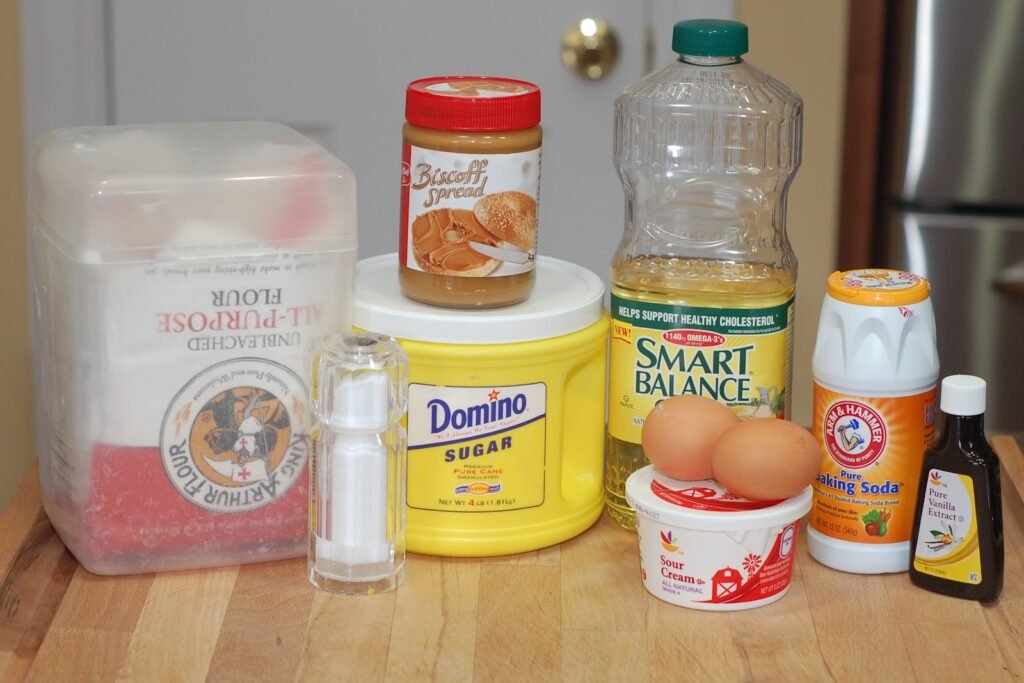
Don’t mind my upside down flour bag. It had a hole in the bottom, so I had put it that way, otherwise that kitchen would look like a snowstorm had passed through.

| For the ganache filling |

filled cupcakes
At this point feel free to take any defect cupcake and pop it into your mouth. It is for quality control purposes only. Since it was late at night when I made the frosting, I forgot to take any pictures.
Of course before I went to bed I had to try one and gave one to my husband to try so I wouldn’t feel so guilty. Oh god, they were delicious. I am glad I made them bite size, the blend of tastes it just perfect. Unfortunately, that just means I will eat more.
Better Than S’Mores Mini Cupcakes
by The Sweet Chick
Prep Time: 20-30 minutes
Cook Time: 10-15 minutes
Keywords: bake dessert biscoff marshmallow fluff chocolate ganache cupcake
Ingredients (24 mini cupcakes)
For the Biscoff Cupcakes
- 1 cup all-purpose flour
- 1 cup granulated sugar
- 1/2 teaspoon kosher salt
- 1/2 teaspoon baking soda
- 1/2 cup canola oil
- 1/2 cup sour cream
- 1/2 cup Biscoff spread
- 2 large eggs
- 2 teaspoons pure vanilla extract
For the Chocolate Ganache Filling
- 12 ounces chocolate, chopped into small pieces (I used a 3.5oz bar of Lindt dark chocolate and about 3/4 of a 12 oz bag of semi-sweet chocolate chips)
- 1 cup heavy cream
For the Marshmallow Fluff Frosting
- 1/2 stick butter, softened
- 2 cups marshmallow fluff
- 2 cups powdered sugar
- 1 teaspoon vanilla
- 1 tablespoon Wilton meringue powder
- 2-3 tablespoons milk
Instructions
For the Biscoff Cupcakes
Preheat the oven to 350º F and fill muffin tin with cupcake liners.
Place flour, sugar, salt and baking soda into a large bowl, mix to combine. Set aside.
In a stand mixer or using a hand mixer, place oil, sour cream, Biscoff spread, eggs and vanilla into the bowl and mix on medium speed until well incorporated. Slowly add dry ingredients and mix thoroughly, about 30 seconds. Spoon batter into prepared mini cupcake liners about 3/4 full. Bake for 10-15 or until toothpick inserted in center comes out dry. Remove and let cool completely.
(For regular sized cupcakes, bake 18-22 minutes).
Recipe by healthyfoodforliving.com/recipes
For the Chocolate Ganache Filling
Place chocolate pieces in a large bowl.
Heat heavy cream on medium high until it comes to a boil. Remove from heat and immediately pour cream over chocolate and stir until completely mixed and glossy.
Allow ganache to cool. The longer you allow the ganache to cool, the thicker it will set. You can place it in the fridge to cool faster. The ganache needs to be completely cooled before piping it in the cupcakes.
While the ganache is cooling cut a hole in the middle of each cupcake and scoop out the center (not all the way to the bottom). I used a vegetable peeler, but you can also try a apple corer.
With a frosting piping bag or a plastic freezer bag with tip cut off, pipe the ganache filling into each cupcake and place back in the fridge.
Recipe by https://www.healthyfoodforliving.com/recipes/
For the Marshmallow Fluff Frosting
In a stand up mixer or using a hand mixer, blend butter and marshmallow fluff until smooth.
Sift in confectioners’ sugar and meringue powder and beat on low speed.
Add vanilla and milk and increase speed to high. Beat for 1 minute.
Using a frosting piping bag and your favorite tip, frost each cupcake and place back in fridge to set.
Recipe by The Sweet Chick