Is Cottage Cheese Good for Acid Reflux? (Complete Guide)
Acid reflux, also called GERD (Gastroesophageal Reflux Disease) when it’s a long-term problem, happens when stomach acid moves up into the esophagus. This can lead to symptoms like heartburn, burping up food, and chest discomfort. Many people notice their symptoms get worse with certain foods, especially those that are fatty, spicy, or high in acid. For this reason, choosing the right foods is very important for managing acid reflux.
Cottage cheese is one food people often ask about. It’s a dairy product full of protein and nutrients, making it a popular choice for many. But the big question is: is cottage cheese good for acid reflux? This article looks at whether cottage cheese is acidic, if it might cause reflux symptoms, and how it could fit into a reflux-friendly diet.
If you’re curious about whether cottage cheese could work for your diet or not, keep reading to find out!
Understanding Acid Reflux and GERD
Acid reflux, or gastroesophageal reflux disease (GERD), happens when stomach acid flows back into the esophagus, causing irritation. This typically occurs when the lower esophageal sphincter (LES)—a muscle that separates the stomach and esophagus—does not close properly.
Factors like overeating, obesity, pregnancy, and certain medications can increase the risk of acid reflux. Additionally, lifestyle habits such as smoking, drinking alcohol, and an unhealthy diet may contribute to the condition.
The symptoms of acid reflux vary and often include heartburn, a burning sensation in the chest, and regurgitation, where food or acidic liquid comes back up into the throat or mouth. Other symptoms can include difficulty swallowing, a persistent sore throat, chronic coughing, and a sensation of a lump in the throat. Nighttime reflux may disrupt sleep and exacerbate discomfort.
Diet plays a crucial role in managing symptoms. Trigger foods such as citrus fruits, tomatoes, chocolate, caffeine, and fried items should be avoided, while other foods may help ease irritation and improve comfort.
Related to Read: 7 Kinds of Foods to Avoid with GERD: A Complete Guide!
Is Cottage Cheese Acidic or Alkaline?
Cottage cheese is slightly acidic, with a typical pH level ranging between 4.5 and 5.4, depending on the variety and processing method. This acidity stems from the lactic acid formed during the fermentation process when milk is curdled. While it is not as acidic as aged cheeses or citrus fruits, it does fall on the acidic side of the pH scale.
Why is Cottage Cheese Acidic?
Fermentation Process: The production of cottage cheese involves adding lactic acid bacteria to milk, which lowers the pH and gives the cheese its slightly tangy flavor.
Calcium Content: The calcium-rich composition adds to its acidic nature, as calcium salts contribute to the tanginess.
Is It Tolerable for Acid Reflux?
Despite being mildly acidic, cottage cheese—particularly the low-fat or fat-free versions—is often considered a safe and reflux-friendly food. Its acidity level is low enough to avoid significantly aggravating symptoms for most individuals, making it a suitable dairy option for those managing acid reflux. However, tolerance varies, and individuals should monitor their reactions to ensure it fits well within their diet.
Alkaline Variations
Cottage cheese does not fall into the alkaline food category. However, combining it with alkalizing foods like melons, cucumbers, or leafy greens can help balance its acidity when consumed as part of a meal.
Nutritional Profile of Cottage Cheese
Cottage cheese is a nutrient-rich dairy product made from cow’s milk curds. It is an excellent source of protein, calcium, and essential nutrients like phosphorus, selenium, and B vitamins such as riboflavin and B12.
The fat content in cottage cheese varies, with regular options containing about 4% fat, while low-fat (1-2%) and fat-free versions are available for those watching their fat intake.
Low-fat and fat-free cottage cheese options are ideal for individuals aiming to manage their calorie consumption without sacrificing the benefits of protein and calcium.
Can You Eat Cottage Cheese with Acid Reflux?
Yes, you can eat cottage cheese with acid reflux, particularly low-fat or fat-free varieties. These options are less likely to aggravate symptoms as they contain minimal fat, which can otherwise relax the lower esophageal sphincter (LES) and worsen reflux. However, individual tolerance varies, so it is important to monitor how your body responds.
While many dairy products, especially high-fat varieties, are linked to acid reflux symptoms, cottage cheese is generally considered a safer option. High-fat dairy products can relax the LES, increasing the chances of reflux. Full-fat options may also stimulate stomach acid production, potentially triggering discomfort in sensitive individuals. However, low-fat or fat-free cottage cheese poses less risk of exacerbating symptoms.
Low-fat cottage cheese contains reduced fat levels, making it less likely to cause reflux episodes. Its protein and calcium content are beneficial for overall health and do not contribute to stomach acidity. Studies suggest that including low-fat dairy in the diet can provide essential nutrients while being gentle on the digestive system. Anecdotal evidence also supports that low-fat cottage cheese is often easier on the stomach compared to higher-fat alternatives.
That said, the impact of dairy on acid reflux varies from person to person. Some may still experience symptoms even with low-fat options. Monitoring your body’s response and consulting with a healthcare provider can help identify what works best for you and tailor your diet to reduce discomfort.
Benefits of Cottage Cheese for Acid Reflux
Following is the best of cottage cheese benefits for acid reflux:
- Low Fat Content: Opting for low-fat cottage cheese minimizes the risk of triggering reflux.
- High Protein: Protein helps maintain muscle function, including the LES, potentially reducing reflux episodes.
- Easy Digestibility: Cottage cheese is generally easier to digest compared to aged cheeses, making it suitable for sensitive stomachs.
- Nutritional Value: It is rich in calcium and B vitamins, supporting overall health without adding significant acid load to the stomach.
Risks: Can Cottage Cheese Cause Acid Reflux?
Although cottage cheese is usually a safe choice, high-fat varieties can increase the risk of acid reflux. Excess fat may relax the LES, allowing stomach acid to flow back into the esophagus. Additionally, individuals who are lactose intolerant or sensitive to dairy may find that even low-fat cottage cheese triggers symptoms like bloating or indigestion.
Will Cottage Cheese Cause Acid Reflux in Some Cases?
Yes, in some cases, cottage cheese might cause reflux. Factors include individual sensitivity to dairy, portion size, and the fat content of the cottage cheese consumed. People who already experience reflux after eating other dairy products should exercise caution and track their symptoms when trying cottage cheese.
Comparing Cheeses: What Kind of Cheese is Good for Acid Reflux?
Low-fat or fat-free cheeses are better choices for individuals with acid reflux. These include:
- Cottage Cheese: Low-fat varieties are the least likely to cause discomfort.
- Ricotta Cheese: Its mild flavor and low-fat content make it gentle on the stomach.
- Part-Skim Mozzarella: A lower-fat option that is less likely to trigger reflux compared to aged cheeses.
Mozzarella, Cheddar, and White Cheese: Which is Best?
| Cheese Type | Characteristics | Fat Content | Acidity (pH Level) | Impact on Acid Reflux | Best Use for Reflux Management |
| Mozzarella | Fresh Part-skim mozzarella is softminimally processed less acidic | Lower fat (about 4.5-6g per 1 oz for part-skim) depending on the variety. | pH 5.0-6.0, making it mildly acidic. | Lower fat reduces LES relaxation; less likely to trigger reflux. | Best consumed fresh in salads, as a topping for non-acidic dishes, or as a light snack. |
| Cheddar | Aged cheddar is rich in flavor but undergoes fermentation, increasing its acidity and fat content. | High fat (9-10g per 1 oz); full-fat versions are less suitable for reflux. | pH 4.9-5.4, depending on the aging process. | High fat and moderate acidity can relax the LES and increase reflux symptoms. | Best avoided by those with reflux; if consumed, use minimally and choose sharp but lower-fat versions. |
| White Cheese | Includes types like feta, ricotta, or farmer’s cheese; low-fat varieties are better for reflux. | Varies widely (e.g., feta: 6g; ricotta: 4-5g per 1 oz for low-fat varieties). | pH 4.5-5.5, depending on the cheese type and fat content. | Low-fat versions are less likely to trigger symptoms, and mild options (e.g., ricotta) are gentler on the stomach. | Ideal for cooking (e.g., ricotta in pasta) or as a topping for non-acidic foods like cucumbers or baked potatoes. |
FAQs
Does Cottage Cheese Settle Your Stomach?
Cottage cheese may help settle the stomach in some cases due to its mild, easy-to-digest nature. The low-fat version is particularly soothing, but it may not work for everyone, especially those sensitive to dairy.
Is Low-Fat Cottage Cheese Better for Acid Reflux?
Yes, low-fat cottage cheese is a better choice for managing acid reflux. It provides essential nutrients without the high fat content that could relax the LES and worsen symptoms.
Is Cottage Cheese Good for Acid Indigestion?
Cottage cheese can be helpful for mild acid indigestion if consumed in moderation. Its high protein content may support LES function, but it’s essential to choose low-fat varieties to avoid triggering symptoms.
Conclusion
Cottage cheese, especially in low-fat or fat-free forms, can be a nutritious addition to the diet for those managing acid reflux. Unlike high-fat dairy, it provides essential nutrients like protein and calcium without the fat content that often triggers symptoms. Pairing it with non-triggering foods and exploring reflux-friendly recipes can allow you to enjoy its benefits while keeping discomfort at bay.
However, everyone’s experience with acid reflux is unique. It’s important to monitor your body’s reactions and consult a healthcare professional for personalized advice. For more information and additional tips on managing acid reflux, explore our other resources.
Spelt Focaccia With Rosemary, Garlic, And Pecorino

I made buttermilk pancakes the other day and substituted a little of the all-purpose flour for spelt. They were so good! It made me realize that it’s been a long time since I baked with whole grain flours (hard to believe that it had been my sole obsession three years ago). Also, yikes, I just realized the last recipe featured on this blog containing a flour other than all-purpose was way back in November! They’re really good cookies by the way.
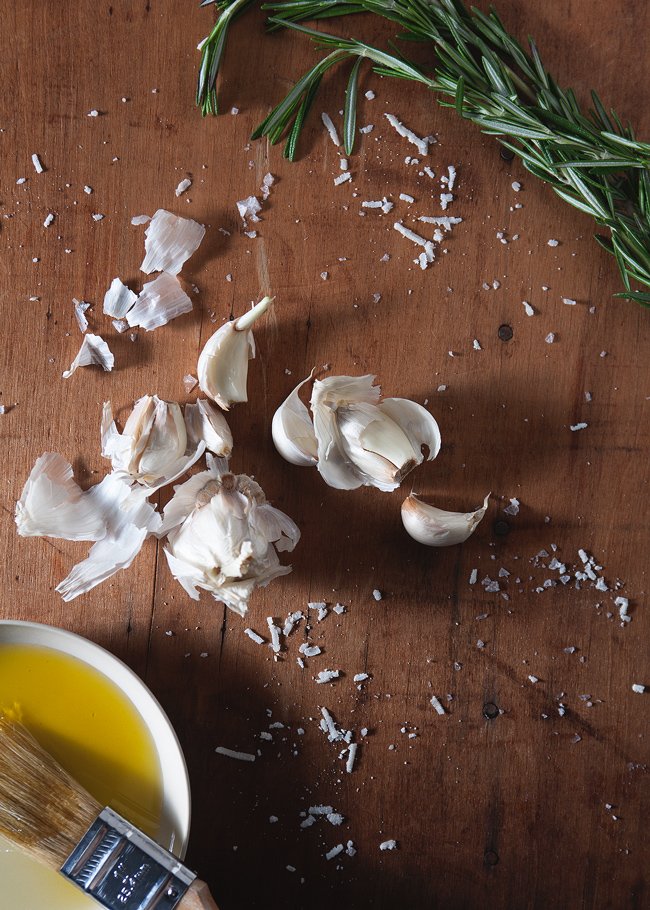
I decided to remedy this immediately. As usual, I pulled out my battered copy of Good to the Grain. The recipes coupled with the photography always fill me with this longing to lead a more wholesome life, with no greasy take-out food, no indoor pants, and fresh air coursing through the rooms at all times. Let’s address why these are impossibilities.
First, there’s no way I could do away with my comfort food burritos, which are filled to the brim with rice, beans, meat (MEAT), and other stuff that’s good for the soul but not so much for the waistline (it feels weird writing about waistlines, as I don’t think I’ve ever given mine any proper thought). Secondly, I hate wearing jeans, which is something about me you would never guess because I ALWAYS WEAR JEANS. But it’s true. I’d much rather have my legs be swathed in loose, silky, comfortable pants when there’s no one to impress.
And finally, it’s still 40 degrees out, yo! Despite the fact that both Chris and I think of our heating as the devil because it makes the apartment unbearably stuffy, it only turns on twice a day, so to open the windows would be wasting the heated air.
I think the point I’m trying to make is that the healthful life I dream about is probably largely illusory. Though I enjoy baking with whole grain flours, and eating vegetables with all my meals (well, not breakfast—I do give myself a break then), and going to the gym thrice weekly, I’m not perfect.
Anyway, the focaccia called to me.
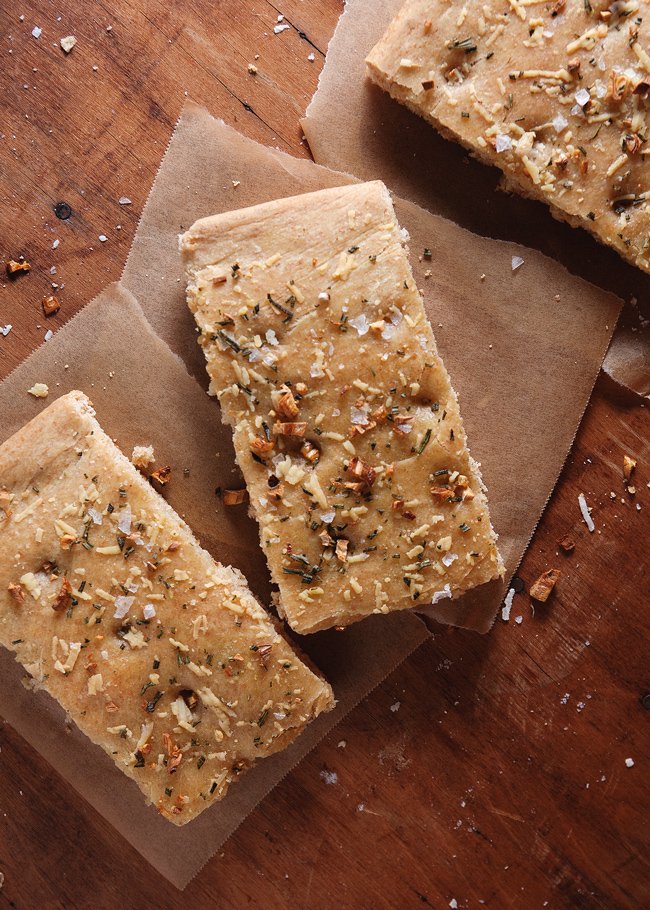
Spelt foccacia is less springy than regular foccacia, of that I’m sure. Since spelt contains low amounts of gluten, doughs containing it don’t rise as well and result in a lack of the same effervescence as all-purpose doughs. Hence, a slightly denser texture and less sticky.
On the other hand, spelt has a great flavor that I think came through in this recipe. It was kind of hard to tell, with such strong-flavored toppings all competing for attention, but I detected a wheat-flour like taste, with that signature nuttiness I really love.
What disappointed me the most about this recipe was probably due to the overall crappiness of my oven, but my focaccia refused to golden-brown properly! Very disappointing, especially because, I’d kept it in there for so long that the garlic and rosemary started burning. It’s alright. I don’t think the taste suffered too much, but it made for a slightly less attractive presentation.
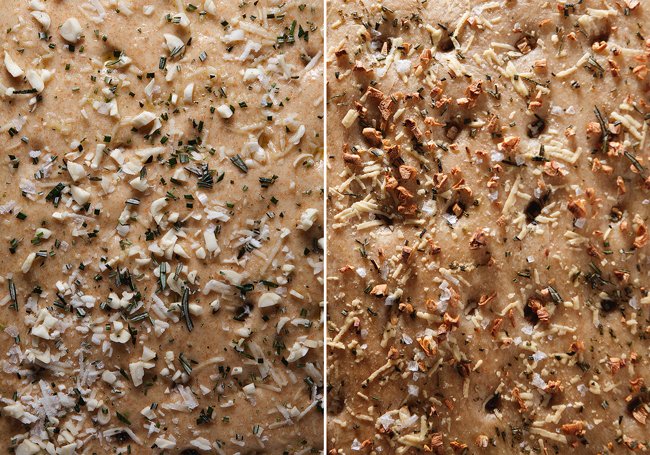
I don’t need to tell you what to do with focaccia. Neither do I need to tell you how to top it. But, I will add, rosemary is one of my favorite herbs, and it really suits breads, spelt, and garlic and pecorino. With that said, a simple sea salt topping would be enough to make me a happy sailor, and I would gladly eat this focaccia in any form it was offered. In my case, it went perfectly alongside leftover soup (third batch and still going strong), always a winning combination.
(I should also add, I accidentally bought 2 pounds of active dry yeast, so I think I’m going to take up bread-making as a hobby for the foreseeable future. Focaccia is only the beginning, my friends!)
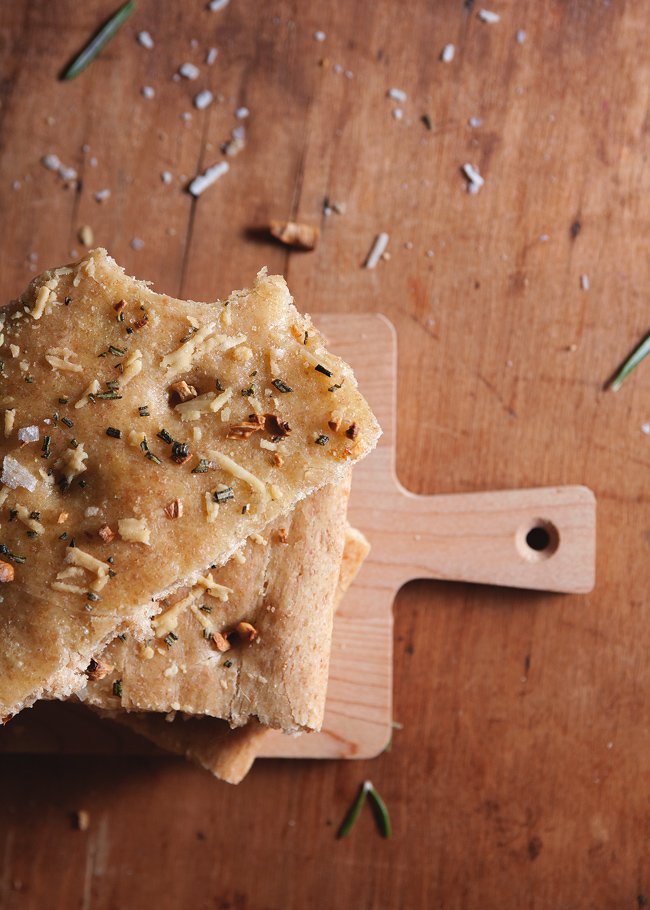
SPELT FOCACCIA WITH ROSEMARY, GARLIC, AND PECORINO
Adapted from Good to the Grain
Makes 1 rectangular focaccia
Ingredients:
1 package active dry yeast (2-1/4 tsp)
Pinch of sugar
1 cup spelt flour
2 cups all-purpose flour, plus more for kneading
1 T kosher salt
1/4 cup plus 2 T olive oil (plus more for greasing)
garlic, herbs, spices, coarse salt, cheese, and any other toppings of choice
Directions:
Lightly rub a large bowl with olive oil. Add 1-1/4 cups of warm water, yeast, and sugar to another large bowl. Stir, and allow the yeast to bloom for about 5 minutes (should start bubbling). Add the flours, salt, and 2 T olive oil and stir to combine. Pour the dough onto a lightly floured surface and begin kneading, adding up to 1/2 cup of all-purpose flour if needed (depending on the manageability of the dough, as it’s quite sticky). Knead for about 10 minutes until the dough is elastic and supple (you’ll start to feel the difference—just keep kneading!)
Put the dough in the oiled bowl, turning it so it’s lightly covered with the olive oil. Cover with a towel and let rise for about 2 hours, or until doubled in size.
Generously oil a baking sheet with olive oil. Place the risen dough onto the baking sheet and stretch it so it fills the pan. Dimple it with your thumb, then cover with a towel and let rise for about an hour.
Preheat your oven to 400 degrees F. Now it’s time to top the dough. First, brush a 1/4 cup of olive oil onto the dough, then sprinkle with the toppings of your choice. Bake for 22 to 25 minutes until golden brown. Allow the bread to cool slightly before slicing and serving.
As a note, you can store the dough in the fridge after the first rise. Just cover it tightly with plastic wrap and make sure to let it come to room temperature before continuing on with the recipe.