
Is Kombucha Acidic? Is It Good For Acid Reflux?

Medically reviewed by Christiana George Updated Date: January 2, 2026
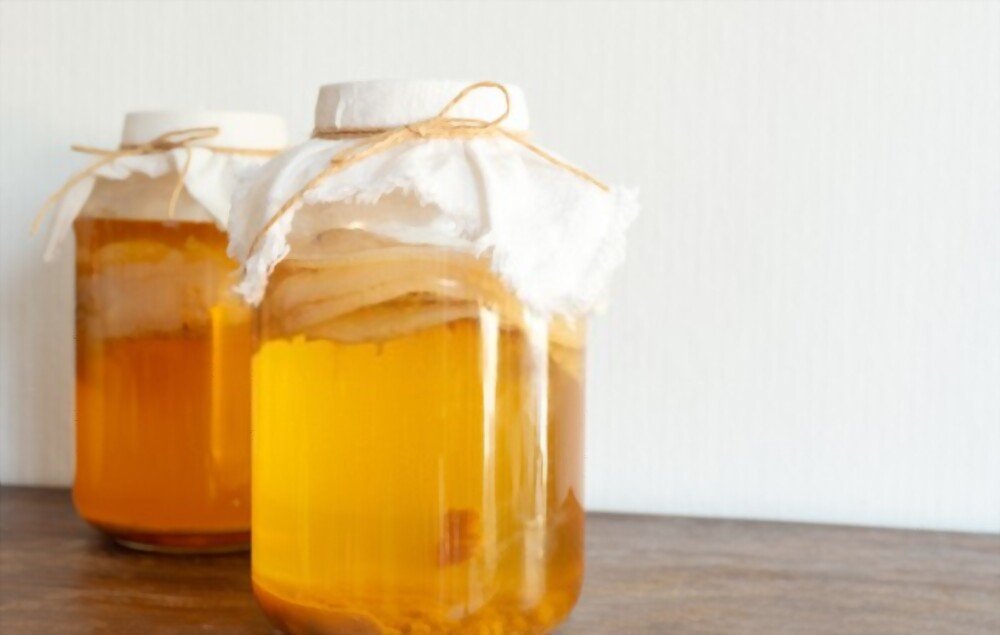
The combination is pretty weird! Black tea, yeast, and sugar, and you got kombucha.
Kombucha lovers say this fermented tea is great for boosting energy, helping in digestion, and removing toxins from your body. But others say they have issues with the versatile taste-sometimes sweet or sometimes tangy.
You must be wondering about the diversity. And trying to figure out if kombucha is acidic or not?
Kombucha is acidic with the pH range between 2.5 to 4.2. When you ferment the kombucha tea, it produces less than 1% acetic acid which has a pH level of 3.0-3.5. This acid is responsible for the tangy nature of kombucha. Surprisingly, moderate amount kombucha is good for reducing acid reflux too.
However, the actual pH level is dependent on the tea types, tea-sugar-yeast ratio, brew time, room temperature, and the length of fermentation.
Keep reading to learn more about the acidic nature of kombucha and its relationship with acid reflux.
Kombucha – Acidic Or Alkaline?
In one line, kombucha is acidic, not alkaline. Let me explain why!
Black tea, green tea, white tea, or oolong tea are used for making kombucha. However, black tea for its oxidized leaves nature is mostly preferable for making a perfect kombucha.
And the pH of black tea is 4.9-5.5 which is a good range to grow yeast perfectly.
With time, the yeast of SCOBY (symbiotic culture of bacteria and yeast) starts eating the sugar content of the kombucha. That results in producing ethanol and it gradually turns acidic.

What about green tea or white tea kombucha? Well, they are neutral or basic, but with the fermenting process over time, the alkaline nature will vanish and turn into acidic for the yeast.
pH of Kombucha
The pH of kombucha is directly related to the fermentation time. However, tea types and ratios also take part in the pH level of kombucha.
And the pH value defines whether kombucha will taste sweet or tart. The pH like 3.5 ensures it will taste sweet. The lower pH like 2.5 makes the kombucha tart.
| Type | pH |
| Homemade Kombucha | 2.5 – 3.0 |
| Black Tea Kombucha | 5-5.5 |
| Green Tea Kombucha | 3.05 |
| White Tea Kombucha | 2.5 – 3.5 |
| Kombucha Rosella Tea | 2.86 |
| GT’s Kombucha | 2.5 – 3.5 |
| Kombucha brewed | 2.5 – 4.2 |
| Humm Kombucha | 3.0 |
| Sweet Kombucha | 3.5 |
3 Ways: How To Raise The pH Of Kombucha?
When you ferment kombucha, acetic and gluconic acid start producing by the fermenting bacteria. That results in a lower pH level and makes the taste too tart.
Also, lower pH means the kombucha is highly acidic which is not good for you especially if you are struggling with acid reflux.
Besides, when the taste is too tart, you may want to make it a little sweet. To make kombucha sweet, you have to increase the pH level. Here 3 ways to increase the pH of Kombucha –
1. Less Ferment Time
In general, the fermenting process takes from 7 days to 30 days. The more you ferment, the kombucha will be more acidic and vice versa. To make it less acidic, you can brew after the first fermentation which may take 6 to 10 days.
2. Keep It in Room Temperature
Kombucha brewing temperature affects the pH value directly. More than 85°F speeds up the culturing, which will result in lower pH.
To increase the pH level, you should keep the kombucha vessel at room temperature in between 68-78°F.
3. Maintain The Tea Leaf Ratio
Using more tea leaves can cause lower pH for the tea leaves’ oxidation nature over time. For each one-gallon batch, keep the ratio 6:1 for the tea leaves.
You can use 6 teaspoons of loose tea or 6 tea bags for each batch. So, keep the ratio perfect to get a higher pH kombucha.
How Acidic Is Kombucha For The Body?
Kombucha is acidic, but after drinking, it alkalizes the body. It’s because when you make kombucha using black or green tea, there will be several essential minerals such as manganese, potassium, copper, iron, fluid iron, etc.
The pH of our blood is 7.4 regarded as neutral. When these minerals of kombucha enter our bloodstream, that creates an alkalizing effect and results in a neutral state of our body.
Who Should Not Drink Kombucha? Are You in the 4 Categories?
Kombucha is considered safe and healthy to promote a healthy and smooth digestive system, boost energy and remove body toxins.
However, you are prohibited to drink kombucha under the following health conditions-
1. People With A Weak Immune System
As bacteria and yeast take an active part in kombucha, that may cause infection for people with weak immune systems.
2. Diabetics Patient
Kombucha contains a good amount of sugar. So it may increase blood sugar levels. Also, alcohol production during fermentation can cause complications for diabetic patients.
3. Pregnant, Breastfeeding Women And Kids
For the alcohol and caffeine, pregnant and breastfeeding women should avoid kombucha. Similarly, the bacteria and yeast might be harmful to the developing baby.
Additionally, kids should not drink kombucha. The carbonate effect of kombucha will cause stomach upset.
4. People With Stomach Ulcers
If you have stomach ulcers, kombucha may make it worse. The bacteria and acidic nature of kombucha can potentially aggravate stomach ulcers.
Is Kombucha Good For Acid Reflux?
Acid reflux occurs when you eat or drink high acidic or high-fat content food and drinks. if you have a lower esophageal sphincter (LES), your stomach content leaks up back. That causes acid reflux.
Now the question is what about kombucha? Is it good for acid reflux or promotes acid reflux?
The nature of kombucha is acidic, so you may think it’s not good for acid reflux. But the truth is kombucha is good for people who are suffering from acid reflux.
Kombucha contains lactic acid which has probiotic properties. That can kill harmful bacteria as well as promote smooth digestion. So far, lactic acid is beneficial to reduce the chances of acid reflux.

The tea drink is a great source of vitamin B. vitamin B can improve your gut health by controlling the production of stomach acid.
Several essential minerals of kombucha neutralize the acidic properties and make it alkalizing for your body.
For these activities, kombucha is good for acid reflux. However, you should be concerned about your daily intake. You can drink around 4 ounces per day to avoid health complications. Also, avoid adding high sugar content to it to get the best result.
Is Kombucha Bad For Acid Reflux?
Drinking too much kombucha causes acid reflux. The recommended level is 4 ounces per day for 1 to 3 times.
However, kombucha will be bad for acid reflux under certain health conditions.
First of all, if you already have the symptoms of acid reflux, drinking too much kombucha may make it worse.
Kombucha contains a decent amount of caffeine and alcohol. Both can increase the acid production in your stomach and irritate your digestion which causes heartburn too.
A lengthy fermentation process makes kombucha carbonated. And the carbonated nature feels your stomach fuller and pressurizes your lower esophageal sphincter. As a result, the acid flow starts moving back into the esophagus which leads to acid reflux directly.
In addition, the acetic acid of kombucha may also be responsible for acid reflux or GERD by disturbing your regular digestive system.
Various Forms Of Kombucha And Its Acidity
In the USA, around 14. 1 percent of adults drink kombucha in various forms such as kombucha tea, raw or hard kombucha for several purposes. The pH level and acidity are also different for each type.
Is Kombucha Tea Alkaline Or Acidic?
Kombucha tea is acidic with a pH range of 2.5 to 3.5. However, using tea bags instead of tea leaves makes kombucha tea more acidic for rapid oxidation.
The type of tea affects the acidity of kombucha. If you use pure black tea, it will make kombucha too acidic as black teas are already acidic in nature.
pH wise oolong tea kombucha will be almost the same as the black tea version. Though green tea and white tea kombucha seem alkaline for their higher pH values. But during the fermentation process, the basic nature will be removed.
Whether you use either green or white tea, the resulting kombucha tea will be acidic with a pH below 4.6. However, adding fruits or herbs can reduce the acidity of kombucha tea.
Related Post: Is Tea Acidic? 5 Non-acidic Alkaline Tea for You!
Is Hard Kombucha Acidic?
Hard kombucha is more acidic than kombucha tea. It’s the boozier version of the regular or raw kombucha. As hard kombucha fermented at 28°C/82.4°F or higher for 5 to 14 days, it will taste tangy and slightly vinegary.
Warm temperatures and lengthy fermentation, increases the ABV (alcohol by volume) and decreases the pH level to around 2.5.
Is Raw Kombucha Acidic?
Raw kombucha is not pasteurized though it’s acidic with a pH of less than 4.6. Mostly, the pH level of raw kombucha is 2.5-3.5. During the fermentation period, the yeast starts feeding the sugar content and creates a suitable environment to grow gradually. This process enhances the pH level of the raw kombucha drink.
Fun fact: Do you know when and where the kombucha tea originated? In 220 BC, kombucha originated in China. Then it reaches Russia, USA, Germany and all over the world.
FAQs
Is Kombucha Highly Acidic?
Yes, kombucha is highly acidic. The pH level of kombucha can range from 2.5 to 3.5, making it acidic. However, the acidity of kombucha is not harmful and can actually be beneficial for your health.
Is Kombucha Good For An Acidic Stomach?
Yes, kombucha can be good for an acidic stomach. This is because kombucha is rich in probiotics, which can help to balance the levels of acid in the stomach. At the same time, it can improve digestion, reduce inflammation and promote a healthy immune system.
Is Kombucha Acidic For Teeth?
Drinking too much kombucha is acidic for teeth. The acidity and sugar in kombucha can lead to tooth decay and other dental problems damaging tooth enamel. This is why it’s important to drink kombucha in moderation and to brush your teeth after drinking it.
Is Kombucha Bad For Ulcers?
Mostly, kombucha can be bad for people with ulcers. The fermented tea drink contains acetic acid, which can irritate the already inflamed lining of the stomach and intestines. In addition, the probiotics in kombucha can also increase gastric acid production, further exacerbating the symptoms of ulcers.
Is Kombucha Part Of An Alkaline Diet?
Kombucha is part of an alkaline diet. The fermentation process of kombucha results in a slightly acidic beverage with a pH between 2.5 and 3.5. However, after the drink is consumed, it leaves behind alkaline ash in the body that helps to neutralize acidity.
Does Kombucha Make Your Body Acidic or Alkaline?
Kombucha is acidic but it makes your body alkalize when it enters the bloodstream. The acidic nature neutralizes by the neutral pH of the blood and acts like alkalize to your body.
Bottom Line
Now it’s time to wrap up the discussion on: “is kombucha acidic”. Hopefully, you can understand the acidic nature and its role in acid reflux.
In summary, kombucha is acidic but a moderate amount is good for acid reflux. Also, the probiotics of kombucha are beneficial for sound digestion, weight loss, preventing GERDs as well as keeping your skin healthy.
Eat healthy, live healthy.
Related Posts



Subscribe for New Racipies
Get mental health tips, updates, and resources delivered to your inbox.
Are Uncrustables Healthy? The Controversial Snack Review!


The first time I saw Uncrustables in the grocery store, I was intrigued by its cute appearance and cheerful packaging. It certainly looked more kid-friendly than a peanut butter and jelly sandwich. After all, it’s not messy, there are no crust corners, and it is compact enough to fit inside your child’s lunchbox.
But did you know that this seemingly wholesome snack is not as healthy as it seems?
So, what’s the truth – are Uncrustables healthy or unhealthy?
Uncrustables are unhealthy snacks because they are high in sugar, fat, and sodium. They also do not provide many nutrients aside from a little protein and fiber content. Furthermore, they come with artificial colors and preservatives which have been linked to hyperactivity in children.
Keep reading to learn more about this snack/breakfast sandwich and why it might not be the healthiest option.
Are Uncrustables Healthy?
While there’s no shortage of hand-held sandwiches on the market, Uncrustables have become one of the most popular options thanks to their claimed “all-natural ingredients” and loveable, child-friendly packaging.

But how healthy are these frozen sandwiches?
The U.S. Centers for Disease Control (CDC) and Prevention defines healthy food as foods having at least 10% of the Daily Value (DV) for one or more of the following nutrients: Vitamin A, Vitamin C, iron, calcium, protein and fiber.
So do Uncrustables fit that description?
Let’s look at their nutrition facts and find out!
According to the Smuckers Uncrustable Products nutrition facts Uncrustables products do NOT meet the CDC’s definition of a healthy snack.
Why Uncrustables Might be Bad for You?
There is a possibility that Uncrustables could cause health issues due to the high quantities of sugar in the jam, jelly, honey, and the amount of salt in the processed bread and peanut butter.
The Uncrustables website suggests they are not, by themselves, a complete and balanced meal, and should be eaten as part of a balanced diet.
So it is acceptable to consume Uncrustables occasionally, but they should not be considered a healthy or complete meal.
Can Ingredients in Uncrustables Contribute to Diabetes?
Since Uncrustables are highly processed foods that include added sugar, which can contribute to obesity and diabetes, they should be consumed in moderation.
According to the nutrition facts on the packaging, one Uncrustables sandwich contains 210 calories, 10 grams of sugar, no Vitamin D, and only 2% of the recommended daily allowance (RDA) of calcium and 6% RDA of iron. DV percentages of sugar per sandwich flavor are shown in Table 1.
Table 1: Percentage of DV of sugar per sandwich weight
| Flavor | Weight (per sandwich) | Sugar (% of daily value) |
| Peanut Butter & Strawberry Jam | 58 grams | 15% |
| Peanut Butter & Grape Jelly | 150 grams | 52% |
| Peanut Butter & Grape Jelly | 76 grams | 24% |
| Peanut Butter & Honey | 58 grams | 18% |
| Chocolate flavored Hazelnut spread. | 52 grams | 20%. |
This same amount of sugar is seen in many types of candy which can be associated with cavities and tooth decay.
Can High Levels of Sodium in Uncrustables Trigger Blood Pressure?
Due to salted peanut butter as a filling, Uncrustables contain higher sodium levels than many processed snacks. With 500 mg of sodium, one large sandwich contains 21% of the RDA of 2300 milligrams (mg) per adult and 800 – 1000 mg per child.
Table 2 contains sodium levels for each weight and flavor of Uncrustables.
Table 2: Sodium levels per flavor and weight of Uncrustable sandwich
| Flavor | Weight (per sandwich) | Sodium |
| Peanut Butter & Strawberry Jam | 58 grams | 220 mg |
| Peanut Butter & Grape Jelly | 150 gram | 530 mg |
| Peanut Butter & Grape Jelly | 76 grams | 260 mg |
| Peanut Butter & Honey | 58 grams | 210 mg |
| *Chocolate flavored Hazelnut spread | 52 grams. | 160 mg |
*The chocolate hazelnut spread flavor has comparatively lower sodium content as no salted peanut butter is used.
Uncrustables are Not Ideal if You are Counting Calories
Due to their ingredients containing many hydrogenated oils, such as soybean and vegetable oil, Uncrustables have high-calorie content.
One 58-gram peanut butter and strawberry jam Uncrustables sandwich contains 210 calories, and one 150 gram peanut butter and grape jelly sandwich contains 600 calories! Table 3 shows the caloric intake of each flavor and weight of Uncrustables sandwiches
Table 3: Calories per flavor and weight of Uncrustables sandwich
| Flavor | Weight (per sandwich) | Calories |
| Peanut Butter & Strawberry Jam | 58 grams | 210 |
| Peanut Butter & Grape Jelly | 150 gram | 600 |
| Peanut Butter & Grape Jelly | 76 grams | 300 |
| Peanut Butter & Honey | 58 grams | 200 |
| Chocolate flavored Hazelnut spread | 52 grams. | 210 |
These numbers may seem low, but when you take into account that these sandwiches are often eaten as snacks , these numbers start to add up. Therefore, it is not ideal to snack on these sandwiches if you are trying to maintain or lose weight.
Uncrustables are NOT for Peanut-Sensitive People
One of the main ingredients of Uncrustables is peanut butter, which obviously contains peanuts.
So if you are sensitive to peanuts in any form, consuming Uncrustables in any flavor can trigger your allergens.
For people with nut allergies the hazelnut flavor could also cause allergic reactions. Same can be said for the wheat (bread) and dairy (milk) included in the products.
Can the Ingredients in Uncrustables Lead To Major Heart Issues?
Uncrustables are not the healthiest snack or breakfast sandwiches. For example, a peanut butter (PB) and strawberry jam sandwich of 150 grams contains 18% saturated fat of DV. It is more than the maximum 10% RDA of saturated fat.
Consuming this amount of saturated fat on a regular basis is bound to increase Low-Density Lipoprotein (LDL – bad cholesterol) and decrease High-Density Lipoprotein (LDL – good cholesterol) leading to many heart-related issues in the future. Table 4 contains percentages of DV of saturated fat.
Table 4: Percentage of DV of saturated fat per sandwich weight
| Flavor | Weight (per sandwich) | Saturated fat (% of Daily Value) |
| Peanut Butter & Strawberry Jam | 58 grams | 8% |
| Peanut Butter & Grape Jelly | 150 grams | 35% |
| Peanut Butter & Grape Jelly | 76 grams | 18% |
| Peanut Butter & Honey | 58 grams | 10% |
| Chocolate flavored Hazelnut spread. | 52 grams. | 15%. |
Is Anything Good About Uncrustables?
Despite having so many unhealthy ingredients, Uncrustables do contain some valuable nutrients . But are they enough to outweigh the unhealthy effects of these crustless sandwiches?
Let’s have a look.
Uncrustables contain whole wheat?
If you read the ingredient labels of Smucker’s Uncrustables packaging, you will see they mention whole wheat as their primary ingredient for making the bread. It gives the sandwiches some fiber content to fill you up quickly when looking for a quick snack. See table 5 for fiber content per flavor of sandwich weight.
Table 5: Percentage of fiber DV per flavor and weight of sandwich
| Flavor | Weight (per sandwich) | Fiber (% of Daily Value) |
| Peanut Butter & Strawberry Jam | 58 grams | 7% |
| Peanut Butter & Grape Jelly | 150 grams | 25% |
| Peanut Butter & Grape Jelly | 76 grams | 13% |
| Peanut Butter & Honey | 58 grams | 11% |
| Chocolate flavored Hazelnut spread. | 52 grams | 5% |
Are there RDA amounts of Protein in Uncrustables?
The presence of peanuts in the peanut butter filling provides some protein content in the sandwiches. Also, the jam is made from real fruit , from which you get the nutrients of real fruit (and a lot of sugar, too!). Table 6 shows the amounts of protein in each flavor of Unscrustables.
Table 6: Amount of protein per flavor and weight of each type of sandwich
| Flavor | Weight (per sandwich) | Protein |
| Peanut Butter & Strawberry Jam | 58 grams | 6 grams |
| Peanut Butter & Grape Jelly | 150 grams | 18 grams |
| Peanut Butter & Grape Jelly | 76 grams | 9 grams |
| Peanut Butter & Honey | 58 grams | 7 grams |
| *Chocolate flavored Hazelnut spread | 52 grams | 4 grams |
Therefore, go ahead and enjoy an Uncrustable on occasion, but make sure to fill up on vegetables the rest of the day!
Are there Healthy Alternatives to Uncrustables?
Uncrustables are typically high in calories and low in nutritional value. Let’s look at healthy snack/breakfast options from the grocery store that are higher in protein, contain less sugar, and provide a more nutritious bite.
- Nutri Grain Bars: have no added sugar and are much lower in calories and saturated fats.
- Quest Bars: have 0% added sugar, very high in protein and fiber
- Nature Valley Granola Bars: extremely low in calories, sodium, and sugar and have a negligible amount of saturated fat.
Moreover, these alternatives are equally convenient and tasty. Also if you want to satisfy a peanut butter and jelly (PB&J) craving without all the preservatives, try a homemade PB&J with fresh fruit.
But if you do not have the time or energy for that, look for 100% whole wheat bread (with no added sugar) and real fruit preserves made with natural ingredients.
FAQs
Are Uncrustables vegan?
Some flavors of Uncrustables are vegan, while others are not. Honey and dairy are used in some varieties, such as the PB & honey and hazelnut chocolate flavors. The classic PB with jam is vegan, but it is always best to read the ingredient labels if you are a strict vegan.
Are Uncrustables gluten-free?
One of the main ingredients of Uncrustables is wheat flour contained in the bread, therefore, Uncrustables are not gluten-free.
Are Smucker’s Uncrustables vegetarian?
All the sandwiches of Smucker’s Uncrustables are vegetarian-friendly as they do not contain meat products. However, the roll-ups have meat, so are not vegetarian-friendly.
Conclusion
Are Uncrustables Healthy? Do not be deceived by the front packaging of Uncrustables claiming “whole wheat” or “low sugar” as a healthy snack.
Always read the nutrition label on the back of the packaging to know the complete list of ingredients.
Eating Uncrustables as a part of your (or your children’s) daily diet is not recommended. Instead, you can enjoy them once in a while as a treat.
Also, it is crucial that you eat various foods to ensure you are getting a balanced diet in terms of macronutrients, vitamins, and minerals.
Related Posts






Subscribe for New Racipies
Get mental health tips, updates, and resources delivered to your inbox.