Homemade Dulce de Leche

Well, I finally did it. I made some dulce de leche this weekend. I have been thinking about it for a long time, but was too scared to do it. I remember hearing one of our friends making some on the stove top and it exploded and there was sticky stuff all over the kitchen and ceiling. No thanks, don’t want anyone of that.
Then lately I have been reading about some food bloggers making it in a slow cooker. Hmm. That sounded a little safer. Usually, they put the cans of sweetened condensed milk directly into the slow cooker fill with water and voila, done in about 10hrs. But then I found a blogger who had a different idea. She put the milk into canning jars instead of leaving it in the can, due to the potential BPA contamination. That sounded like a great idea for me. Here is the link I couldn’t wait to try it.
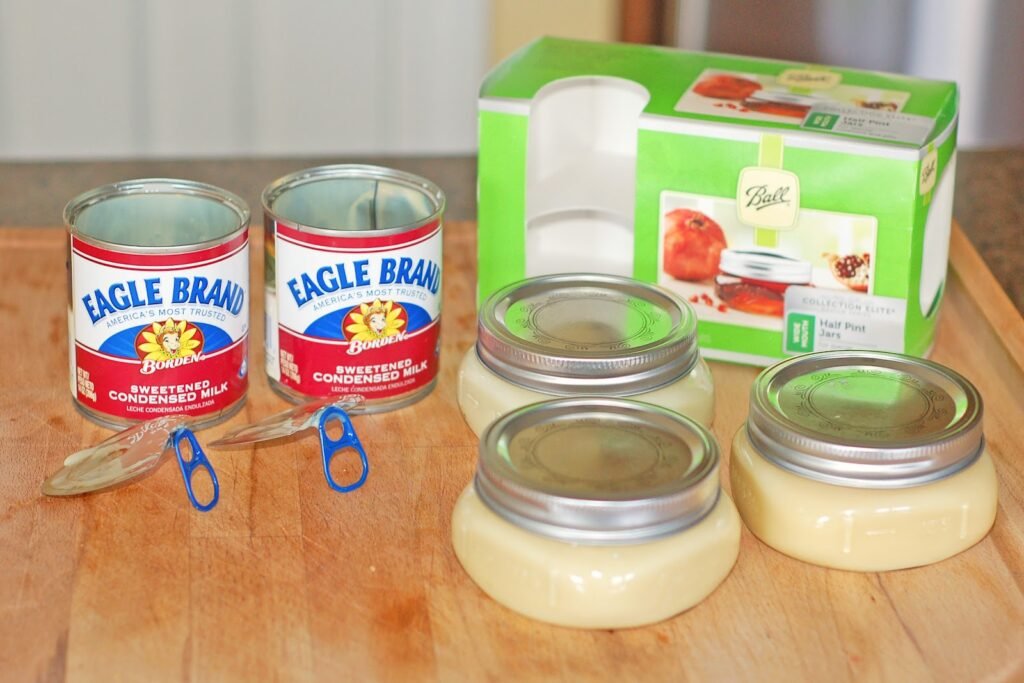
All you need are 2 jars (14 oz.) of sweetened condensed milk, 3 wide mouth 1/2 pint canning jars and a slow cooker. What could be easier.
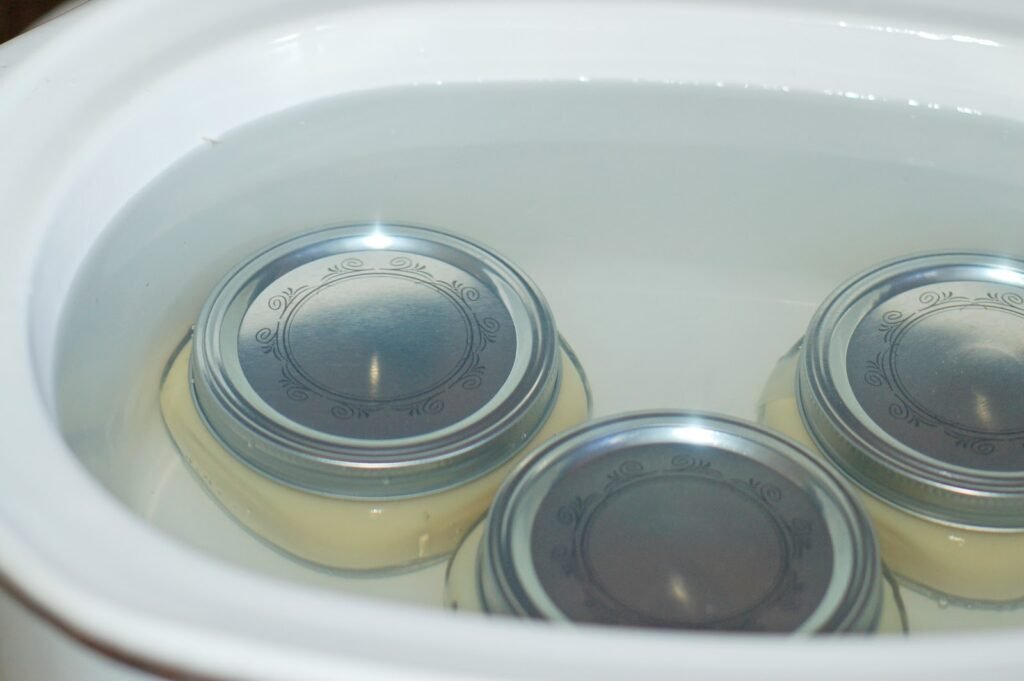
You just have to make sure you put enough water in the slow cooker. These jars fit perfect in my Crockpot.

And then set it for 10hrs. You might be able to put it on high and do it faster, but I didn’t want to risk it. I followed the steps as instructed. The end result being a fantastic tasting dulce de leche. Smooth, creamy and ready to spread on whatever you like. I spread some on the mini donuts I had just made. Mmmm!
And the best part is that there is no mess. The dulce de leche is already in jars. I put mine in the fridge for later use, but like says, you can put a cute tag on it and give it as gifts. I know quite a few people who would enjoy receiving this gift.
Homemade Dulce de Leche
by The Sweet Chick
Prep Time: 5-10 min
Cook Time: 10 hrs
Keywords: slow-cooker topping sweetened condensed milk Spanish
Ingredients (3- 1/2pt jars)
- 2 cans (14 oz) sweetened condensed milk
Also needed
- 3 wide mouth 1/2 pt canning jars
- slow cooker
- water
Instructions
Pour the cans of sweetened condensed milk evenly into the 3 canning jars and close lids firmly by hand.
Place canning jars at the bottom of your slow cooker and fill with hot water till there is at least 1 inch of water above the level of the jars. The hot water will speed up the cooking process.
Set your slow cooker to 10 hours. I quickly checked the results after 9 hours, but I let it run the full 10 hours as recommended.
After 10 hours, carefully remove the jars from slow cooker with canning tongs. Of course I didn’t buy these and just using regular tongs with rubber grippers. Just be careful not to drop the jar.
Place jars on a heat safe surface and let the jars cool off to room temperature. If there is any rust on the outside lids of the jar, just simply wipe it off.
Once it has cooled off, just unscrew the lids and dip in a spoon. The lids will be sealed, but with a little prying, do come off easily. Your dulce de leche is ready to be served on crepes, pancakes, fruit, donuts, or whatever you wish.
Are Millet Safe for Acid Reflux?

Introduction: Millet as a Gut-Friendly Grain
Millet, an ancient grain widely consumed across the globe, is gaining popularity for its impressive nutritional value and versatility. It’s naturally gluten-free, easy to prepare, and a staple in many cuisines. However, for individuals managing acid reflux, the question arises: Is millet safe for acid reflux sufferers?
Acid reflux, also known as gastroesophageal reflux disease (GERD), can be triggered by various foods, making dietary choices critical for symptom management. This article explores the role of millet in a reflux-friendly diet, analyzing its pH level, nutritional benefits, and tips for consuming it safely.
Understanding Acid Reflux: Causes and Symptoms
What Is Acid Reflux?
Acid reflux is a digestive condition where stomach acid flows back into the esophagus, causing irritation. This occurs when the lower esophageal sphincter (LES) – the muscle responsible for keeping stomach contents in place – becomes weak or relaxed.
Common Symptoms of Acid Reflux Include:
- Heartburn: A burning sensation in the chest.
- Regurgitation: Sour or bitter taste in the mouth.
- Difficulty swallowing or a feeling of a lump in the throat.
- Bloating, nausea, or chronic cough.
While the condition can vary in severity, dietary management is a key component in reducing symptoms.
Dietary Triggers of Acid Reflux
Certain foods are known to trigger or worsen acid reflux by either increasing stomach acid production or relaxing the LES. These include:
- Acidic foods: Citrus fruits, tomatoes, and vinegar.
- Fatty or fried foods.
- Spicy ingredients and caffeinated beverages.
- Chocolate and peppermint.
Understanding how millet fits into this framework can help you make informed dietary choices.
Author Tip: 7 Kinds of Foods to Avoid with GERD
Nutritional Profile of Millet
Key Nutrients in Millet
Millet is a highly nutritious grain offering a variety of health benefits:
- Complex Carbohydrates: Provides sustained energy and supports healthy blood sugar levels.
- Dietary Fiber: Aids digestion and promotes gut health.
- Essential Minerals: Rich in magnesium, phosphorus, and potassium.
- B Vitamins: Supports energy metabolism and brain health.
- Protein: Contains moderate amounts of plant-based protein, making it an excellent choice for vegetarians and vegans.
Health Benefits of Millet
- Digestive Support: The fiber in millet promotes regular bowel movements and helps prevent constipation, which can reduce abdominal pressure and lower the risk of reflux.
- Gluten-Free: Ideal for individuals with gluten sensitivities or celiac disease.
- Heart Health: Magnesium and potassium help regulate blood pressure and improve cardiovascular health.
- Weight Management: Millet is low in calories and high in fiber, promoting satiety and preventing overeating.
These benefits make millet a valuable addition to a balanced diet, but how does it impact acid reflux specifically?
Is Millet Acidic or Alkaline?
The pH of Millet
Millet is classified as a mildly alkaline grain. Unlike highly acidic grains like wheat, millet’s pH levels make it a neutral or slightly alkalizing food. Alkaline foods are beneficial for acid reflux sufferers because they help neutralize stomach acid and reduce irritation in the esophagus.
Why Alkaline Foods Are Ideal for Reflux Sufferers?
Foods that are alkaline or neutral help maintain the stomach’s natural pH balance. Millet, being slightly alkalizing, is less likely to aggravate acid reflux compared to acidic grains. Incorporating millet into your diet can help soothe symptoms and provide a nutrient-dense alternative to traditional grains.
How Millet May Impact Acid Reflux?
Benefits of Millet for Acid Reflux
Research suggest that millet has therapeutic effect for human body. Such as it can benefit the acid reflux in the following manner:
- Low Acidity: Millet’s alkaline nature makes it a gentle option for those with sensitive digestive systems.
- Rich in Fiber: Fiber aids digestion and helps prevent constipation, a common trigger for reflux.
- Easy to Digest: Unlike heavy or fatty foods, millet is light on the stomach and less likely to trigger symptoms.
- Gluten-Free: For individuals with gluten sensitivities, millet offers a safe and nutritious alternative that won’t exacerbate reflux.
Potential Drawbacks
While millet is generally safe for acid reflux sufferers, there are a few considerations to keep in mind:
- Overeating: Consuming large portions of any food, including millet, can increase abdominal pressure and trigger reflux.
- Preparation Methods: Adding acidic or fatty ingredients to millet-based dishes can negate its benefits.
Tips for Including Millet in a Reflux-Friendly Diet
Portion Control
Start with a small serving (1/2 cup cooked) and observe how your body reacts. Avoid overeating, as larger portions can increase the risk of reflux.
Reflux-Friendly Millet Recipes
- Millet Porridge: Cook millet with almond milk and sweeten with non-acidic fruits like bananas or apples.
- Millet Salad: Combine cooked millet with cucumbers, leafy greens, and a drizzle of olive oil.
- Millet Pilaf: Pair millet with steamed vegetables like broccoli or zucchini for a nutrient-packed meal.
Pairing Millet with Alkaline Foods
Enhance the reflux-friendly properties of millet by pairing it with:
- Leafy greens like spinach or kale.
- Non-acidic vegetables such as carrots or sweet potatoes.
- Alkaline proteins like tofu or white fish.
Related to Read: Are Salads Healthy?
Alternatives to Millet for Acid Reflux
If millet doesn’t suit your palate or dietary needs, consider these alternatives:
Quinoa
A complete protein and naturally gluten-free, quinoa is easy to digest and mildly alkaline.
Brown Rice
While slightly acidic, brown rice is high in fiber and can be tolerated well when paired with alkaline ingredients.
Oats
oats are a great choice for acid reflux sufferers when prepared without added sugar or acidic toppings because it is rich in fiber.
Related to Read:
Lifestyle Tips to Manage Acid Reflux
Adopt Healthy Eating Habits
- Eat smaller, more frequent meals.
- Avoid lying down for at least 2–3 hours after eating.
- Chew food thoroughly to aid digestion.
Identify and Avoid Trigger Foods
Keep a food diary to track which foods worsen your symptoms and eliminate them from your diet.
Maintain a Healthy Weight
Excess weight can put pressure on the stomach, increasing the likelihood of acid reflux. Incorporate regular exercise and a balanced diet to manage weight effectively.
Conclusion: Is Millet Safe for Acid Reflux?
Millet is a reflux-friendly grain that offers numerous health benefits. Its mildly alkaline nature, high fiber content, and easy digestibility make it a safe and nutritious choice for individuals managing acid reflux.
To reap the benefits, practice portion control, pair millet with alkaline foods, and avoid adding acidic or fatty ingredients. As with any dietary change, monitor your symptoms and adjust accordingly. With the right preparation, millet can be a valuable addition to your reflux-friendly diet.
FAQs: Millet and Acid Reflux
Q1: Is millet acidic or alkaline?
Millet is mildly alkaline, making it a good choice for individuals with acid reflux.
Q2: Can millet trigger acid reflux?
Millet is unlikely to trigger reflux when consumed in moderation and prepared without acidic or fatty additions.
Q3: How should I prepare millet for acid reflux?
Cook millet with water or non-dairy milk and pair it with alkaline foods like leafy greens or non-acidic fruits.
Q4: Are there alternatives to millet for reflux sufferers?
Yes, alternatives like quinoa, oats, and brown rice are also suitable for managing acid reflux.
Q5: Is millet gluten-free?
Yes, millet is naturally gluten-free and suitable for individuals with gluten sensitivities.