Is Biotin a Protein? Understanding Its Role in Hair and Health
Biotin, also known as Vitamin B7 or Vitamin H, is a water-soluble vitamin that plays a crucial role in maintaining healthy hair, skin, and nails. It supports the body’s ability to convert food into energy, aids in fatty acid synthesis, and helps regulate keratin production—the primary protein that makes up hair and nails. Due to its essential role in hair health, biotin is commonly found in shampoos, supplements, and hair growth treatments.
A common misconception is that biotin is a protein because of its connection to keratin. However, biotin is not a protein but a vitamin that helps the body synthesize keratin. Unlike proteins, which are made up of amino acids, biotin is a coenzyme that assists in various metabolic processes.
So, is biotin a protein or a vitamin? The quick answer: Biotin is a vitamin (B7), not a protein. While it supports protein metabolism and hair strength, it does not directly function as a structural protein like keratin or collagen.
Understanding this distinction helps in choosing the right hair care products and supplements, ensuring a well-balanced approach to maintaining strong, healthy hair.
Biotin vs Protein: What’s the Difference?
Biotin and protein are often confused, especially in the context of hair health. While both play essential roles in the body, they serve different functions.
What is Biotin?
Biotin, also known as Vitamin B7 or Vitamin H, is a water-soluble vitamin that helps convert carbohydrates, fats, and proteins into energy. It is vital for metabolism, cell growth, and keratin production. Since keratin is the main protein in hair, skin, and nails, biotin is often associated with hair health. However, biotin itself is not a protein.
What is Protein?
Proteins are macronutrients made up of amino acids that serve as the building blocks of the body. They are essential for muscle growth, tissue repair, and structural components like hair and skin. Unlike biotin, proteins provide structure and strength to hair strands.
What is the Difference Between Biotin and Protein?
- Is biotin a protein or vitamin? → Biotin is a vitamin (B7), not a protein.
- Is biotin considered a protein? → No, it is a coenzyme that supports protein metabolism.
- Is biotin a form of protein? → No, it does not contain amino acids like proteins do.
- What is the difference between biotin and protein? → Biotin is a vitamin that helps the body metabolize nutrients, while proteins are structural molecules essential for hair, muscles, and tissues.
While biotin does not directly build hair, it supports keratin production, making it an important nutrient for strong and healthy hair.
Does Biotin Add Protein to Hair?
Many people wonder, does biotin add protein to hair? While biotin is essential for healthy hair growth, it does not directly add protein to hair strands. Instead, biotin supports keratin production, which strengthens hair, reduces breakage, and improves overall hair health.
Is Biotin a Protein for Hair?
No, biotin is not a protein for hair. Hair is primarily made of keratin, a structural protein, while biotin is a vitamin (B7) that helps the body produce keratin. Since keratin plays a crucial role in hair structure, biotin is often included in hair supplements, shampoos, and treatments to promote stronger hair.
Is Biotin a Protein Treatment?
A protein treatment typically contains hydrolyzed proteins or keratin that help rebuild and strengthen the hair shaft. Biotin is not a protein treatment, but it enhances the body’s ability to produce keratin, indirectly benefiting hair health. Many biotin-infused hair products are marketed as strengthening treatments, but they do not work the same way as actual protein treatments.
Does Biotin Change Hair Texture?
A common question is, does biotin change hair texture? The answer is no—biotin does not alter natural hair texture (e.g., straight, wavy, curly). However, by improving keratin structure, biotin may make hair appear thicker, shinier, and stronger over time.
In summary, is biotin a type of protein? → No, but it supports keratin production, which helps maintain strong, healthy hair.
Biotin in Hair Products: Is Biotin in Shampoo a Protein?
Biotin has become a popular ingredient in hair care products, especially in shampoos, conditioners, and treatments marketed for hair growth and strengthening. Many of these products also contain keratin, leading to confusion about whether biotin in shampoo is a protein. While biotin plays an essential role in hair health, it is not a protein itself.
Biotin and Keratin Shampoo: What’s the Difference?
Many biotin and keratin shampoos are formulated to improve hair strength, reduce breakage, and promote shine. However, they contain different types of ingredients:
- Biotin (Vitamin B7): Helps the body produce keratin, the structural protein in hair.
- Keratin: A protein that repairs and strengthens damaged hair strands.
Since biotin supports keratin production, it is often included in hair care products alongside keratin to enhance hair strength and resilience.
Is Biotin in Shampoo a Protein?
No, biotin in shampoo is not a protein. It is a vitamin (B7) that helps the body metabolize nutrients needed for hair growth. Unlike keratin, which directly repairs and strengthens hair, biotin works internally by supporting keratin production. However, many hair care brands market biotin shampoos as strengthening treatments, leading to misconceptions that biotin itself is a protein.
Biotin Shampoo vs Biotin Supplements: What Works Best?
When it comes to hair growth and strength, both biotin shampoos and supplements have their benefits, but they work in different ways:
- Biotin Shampoo: Works externally by coating the hair shaft, making it appear thicker and healthier. While it does not directly stimulate hair growth, it helps reduce breakage and dryness, especially in curly and textured hair.
- Biotin Supplements: Work internally by providing biotin to the body, which then supports keratin production. This approach promotes long-term hair growth and strength from within.
For best results, many experts recommend using both biotin supplements and a biotin and keratin shampoo as part of a well-rounded hair care routine.
Biotin Shampoo for Curly Hair: Is It Effective?
Curly hair tends to be more prone to dryness and breakage, making biotin shampoo for curly hair a popular choice. While biotin shampoos do not change hair texture, they can enhance strength, improve moisture retention, and reduce frizz, helping curls appear more defined and healthier.
Although biotin is a key ingredient in many hair care products, it is not a protein. Instead, it supports keratin production, which is essential for strong, healthy hair. Whether you choose a biotin and keratin shampoo, biotin supplements, or both, incorporating biotin into your hair care routine can help nourish and strengthen your hair over time.
Biotin in Foods and Supplements
Biotin, also known as Vitamin B7 or Vitamin H, is an essential water-soluble vitamin that plays a vital role in metabolism, hair health, and skin maintenance. While many people take biotin supplements to support hair growth, natural sources of biotin-rich foods can also provide the body with this important nutrient.
Natural Sources of Biotin
A well-balanced diet can provide enough biotin to meet daily requirements. Some of the best biotin foods include:
How Much Biotin is in 2 Eggs?
Eggs, particularly egg yolks, are one of the best dietary sources of biotin. Two whole eggs contain about 10 mcg of biotin, making them a great addition to a biotin-rich diet. However, consuming raw egg whites may reduce biotin absorption due to a protein called avidin, which binds to biotin and prevents its uptake. Cooking eggs neutralizes this effect.
Vitamin H Rich Foods
Since biotin is also known as Vitamin H, many whole foods naturally provide this essential nutrient. Common Vitamin H rich foods include:
- Egg yolks
- Nuts and seeds (almonds, walnuts, peanuts, sunflower seeds)
- Whole grains (oats, barley, wheat)
- Dairy products (milk, cheese, yogurt)
- Legumes (lentils, beans, peas)
Zinc and Biotin Rich Foods
Zinc is another important mineral that supports hair, skin, and nail health. Many foods contain both zinc and biotin, making them excellent for overall wellness:
- Meat (beef, chicken, pork, liver)
- Fish (salmon, tuna, sardines)
- Seeds (pumpkin seeds, sunflower seeds, chia seeds)
- Nuts (cashews, almonds, walnuts)
Eating a combination of biotin and zinc-rich foods ensures optimal hair and skin health without needing high-dose supplements.
Biotin Supplements
For individuals who struggle to get enough biotin from food, supplements can help meet daily biotin needs. Biotin supplements come in various forms, including capsules, gummies, and liquid drops.
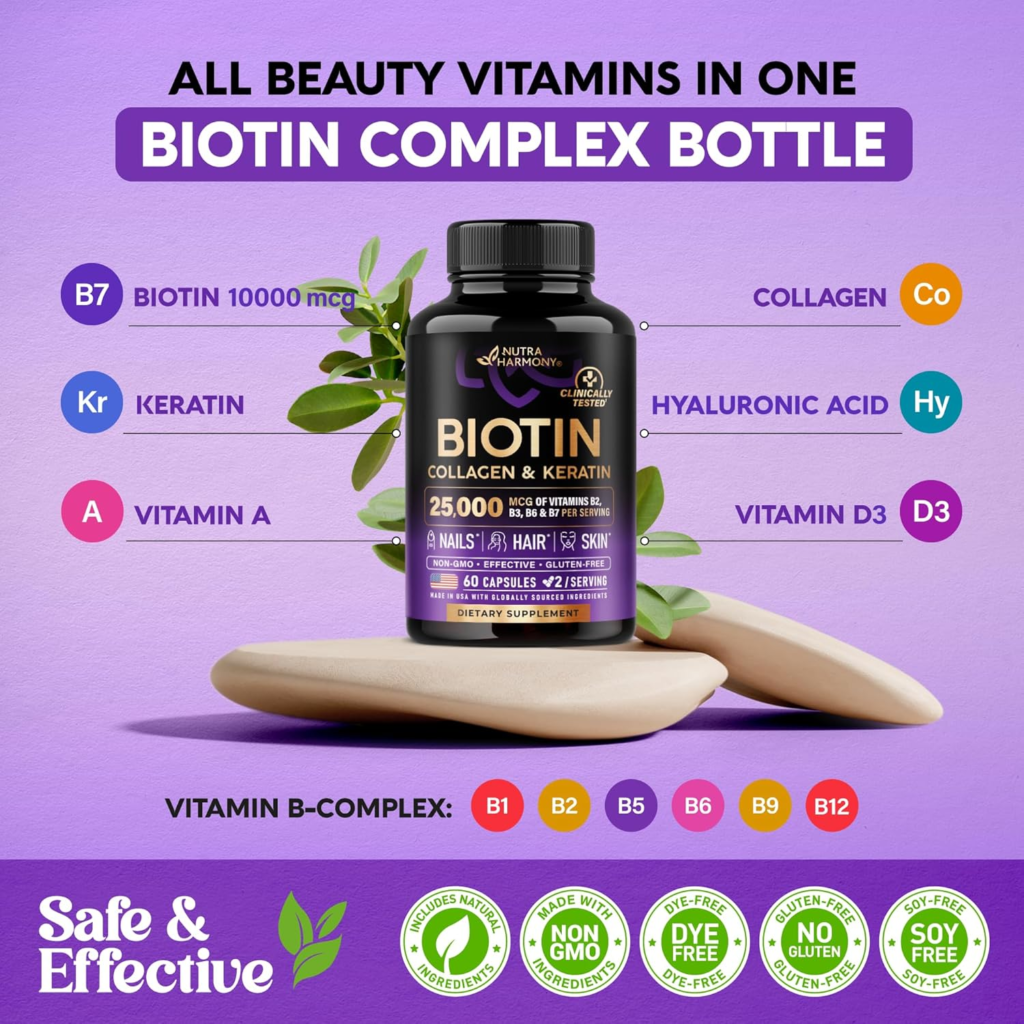
Biotin Dosage: How Much Do You Need?
The recommended daily intake of biotin varies depending on age and lifestyle. Here are the general guidelines:
- Adults: 30 mcg per day
- Pregnant women: 30-35 mcg per day
- Breastfeeding women: 35 mcg per day
Most people get enough biotin from their diet, but those experiencing hair thinning, brittle nails, or certain medical conditions may benefit from higher doses.
Is 10,000 mcg Biotin Too Much?
Many biotin supplements on the market offer high doses, such as 5,000 mcg or 10,000 mcg per serving. While biotin is water-soluble (meaning excess amounts are excreted through urine), 10,000 mcg is significantly higher than the daily requirement.
Taking 10,000 mcg of biotin may be beneficial for individuals with severe biotin deficiency, but for most people, such high doses are unnecessary. Additionally, excess biotin can interfere with lab tests, including thyroid and heart function tests. Before taking high-dose biotin supplements, it’s best to consult a healthcare provider.
Best Biotin Supplement Options
When choosing the best biotin supplement, consider:
- Purity and quality (third-party tested brands)
- Form (capsules, gummies, or liquid)
- Additional ingredients (some include keratin, collagen, or zinc for added benefits)
Some top-rated biotin supplements include:
- Sports Research Biotin 5000 mcg (vegan-friendly, non-GMO)
- Natrol Biotin 10,000 mcg (fast-dissolve tablets)
- SugarBearHair Biotin Gummies (great-tasting option)
Biotin is essential for hair health, metabolism, and overall wellness. While it is best obtained through biotin-rich foods like eggs, nuts, and whole grains, supplements can help those with deficiencies or hair growth concerns. However, high doses like 10,000 mcg should be taken with caution. Whether through diet or supplements, ensuring adequate biotin intake supports strong hair, glowing skin, and healthy nails.
Biotin Side Effects & Safety
While biotin supplements are generally considered safe, some people may experience side effects when taking high doses. Understanding biotin supplement side effects can help you decide whether supplementation is right for you.
Biotin Supplement Side Effects
Most people tolerate biotin well, but potential biotin side effects include:
- Skin reactions (rashes, itching, breakouts)
- Digestive issues (nausea, cramping, diarrhea)
- Interference with lab tests (false readings in thyroid, cardiac, and hormone tests)
Because biotin is water-soluble, excess amounts are usually excreted through urine, reducing the risk of toxicity. However, high doses (e.g., 5,000–10,000 mcg daily) may lead to unwanted effects.
Does Biotin Cause Acne?
A common concern is, does biotin cause acne? While biotin itself does not directly cause acne, high doses may trigger increased sebum (oil) production, leading to clogged pores and breakouts. This occurs because biotin competes with vitamin B5 (pantothenic acid), which helps regulate oil production. To minimize this risk, balance biotin intake with B5-rich foods like avocados, mushrooms, and eggs.
Biotin and Weight Loss: Is There a Connection?
There is no strong scientific evidence linking biotin to weight loss. However, biotin plays a role in metabolism, helping the body convert food into energy. Some weight loss supplements contain biotin, but it does not directly burn fat or suppress appetite.
Biotin with Keratin Side Effects: Should You Combine Them?
Combining biotin with keratin is generally safe and may enhance hair and nail strength. However, some people report increased breakouts, scalp irritation, or digestive discomfort when taking both. If you experience side effects, consider lowering the dosage or using one supplement at a time.
While biotin supplements can support hair, skin, and nail health, they may cause side effects like acne, digestive issues, or lab test interference, especially at high doses. Always consult a healthcare provider before starting high-dose biotin or combining it with keratin.
FAQs
Are Keratin Supplements Safe?
Keratin supplements have become popular for their ability to strengthen hair, nails, and skin. Since keratin is the primary protein in hair, taking supplements can provide the body with the building blocks needed to support hair structure. However, it’s important to note that keratin supplements are generally safe when taken as directed. Some individuals may experience mild digestive issues or scalp irritation, especially if the supplement contains added ingredients or is taken in excessive amounts. It’s best to start with a lower dose and consult a healthcare provider if you have concerns.
Cynatine HNS: A Bioavailable Form of Keratin for Hair Health
Cynatine HNS is a highly bioavailable form of keratin, specifically designed to support hair health, skin elasticity, and nail strength. Unlike traditional keratin, which can be difficult for the body to absorb, Cynatine HNS is a hydrolyzed form, meaning it’s broken down into smaller, more easily absorbed peptides. This makes Cynatine HNS an effective option for individuals looking to improve hair strength and reduce breakage. Cynatine HNS may also promote healthy skin and nail growth, making it a versatile supplement for overall beauty care.
Zinc for Hair Loss and Regrowth
Zinc is a crucial mineral for hair health. It supports protein synthesis and cell division, both of which are essential for hair growth. A deficiency in zinc can lead to hair loss and slower regrowth. In fact, many individuals experiencing hair thinning find that zinc grew my hair back when they started supplementing with it. Additionally, zinc for hair loss regrowth is commonly included in formulations aimed at supporting hair growth, especially when combined with other nutrients like biotin and vitamin D.
Zinc and Biotin for Acne and Skin Healing
Both zinc and biotin are beneficial for skin health. Zinc plays a key role in skin healing, as it promotes wound repair and reduces inflammation. It has been shown to help treat acne, eczema, and other skin conditions by regulating oil production and reducing oxidative stress. When combined with biotin, which supports keratin production and promotes skin elasticity, these nutrients work synergistically to improve skin health, heal blemishes, and reduce scarring.
Is biotin a protein or vitamin?
Biotin is a vitamin (B7), not a protein. It plays an essential role in metabolism by helping the body convert food into energy and supports hair, skin, and nail health. Despite its importance for hair growth, biotin is not a protein—it is a water-soluble vitamin that supports the production of keratin, the protein that strengthens hair.
Is biotin a protein for hair?
No, biotin is not a protein for hair. However, it is vitamin B7, and it helps support keratin production, which is the protein that makes up hair, skin, and nails. By promoting keratin formation, biotin strengthens hair, reduces breakage, and helps maintain hair health.
Is biotin considered a protein?
No, biotin is not considered a protein. It is a vitamin that supports metabolism, energy production, and helps the body produce the protein keratin. While keratin is essential for hair health, biotin itself is not a protein.
A protein that binds with biotin is found in which food?
The protein streptavidin, found in raw egg whites, binds to biotin and can reduce its absorption in the body. Cooking egg whites deactivates streptavidin, allowing the body to absorb biotin more effectively. Therefore, consuming raw egg whites might hinder the absorption of biotin, while cooked eggs are a great source of this important vitamin.
What is Vitamin B9’s name?
Vitamin B9 is commonly known as folate (naturally occurring form) or folic acid (synthetic form). Folate is vital for cell growth and division, especially during pregnancy, and helps prevent birth defects. It also supports DNA synthesis and red blood cell formation.
What is Vitamin B8’s name?
Vitamin B8 is inositol, a substance that plays a role in cell membrane structure and signaling pathways in the body. It is often involved in maintaining the balance of lipids and has been used in various supplements for mental health and hormonal balance.
What is Vitamin I?
Vitamin I is a historical term that was used to refer to a mystery vitamin that was later determined to be nonexistent in modern science. The term is no longer in use and is not recognized as an official vitamin today.
What is Intrinsic White Injury Factor?
Intrinsic White Injury Factor refers to a factor involved in the metabolism of certain vitamins in the body. It is sometimes linked to the absorption and utilization of vitamins such as biotin. This term, while not widely discussed in current literature, is occasionally mentioned in the context of nutrient absorption disorders or metabolic issues.
Conclusion
In conclusion, biotin is a vitamin, not a protein, but it plays a crucial role in supporting keratin production, which strengthens hair, skin, and nails. To support hair health, it’s important to maintain a balanced diet, incorporating biotin-rich foods like eggs, nuts, and whole grains. Additionally, a proper hair care routine that includes the right hair supplements and gentle treatments can promote stronger, healthier hair. For further insights, check out our related content on biotin vs. keratin, the best hair growth supplements, and other ways to enhance your hair health. Incorporating these tips into your lifestyle can lead to noticeable improvements in hair strength and appearance.
Are Turnips Acidic? Turnips and Acid Reflux

Introduction to Turnips and Digestive Health
Turnips, a root vegetable belonging to the Brassica family, are versatile and nutrient-rich. They’re often used in soups, stews, salads, and even roasted as a side dish. But for individuals managing acid reflux or following a low-acid diet, the acidity of turnips and their impact on digestion becomes an important consideration.
In this article, we’ll examine whether turnips are acidic or alkaline, how they affect acid reflux, and the best ways to include them in a reflux-friendly diet.
Nutritional Profile of Turnips
Turnips are low-calorie yet highly nutritious vegetables. A single cup of cooked turnips (about 130 grams) contains:
- Calories: 34
- Carbohydrates: 8 grams, including 3 grams of fiber.
- Vitamin C: 30% of the daily recommended intake, boosting immunity.
- Potassium: Supports healthy blood pressure and muscle function.
- Calcium: Promotes bone health.
- Antioxidants: Includes glucosinolates, compounds that have anti-inflammatory and detoxifying properties.
Their low fat and calorie content make turnips ideal for a balanced diet, but their pH and potential effects on acid reflux warrant a closer look.
Understanding the Acidity of Turnips
Are Turnips Acidic or Alkaline?
Turnips are classified as slightly alkaline to neutral, with a pH level ranging from 6.5 to 6.8. Their natural alkalinity makes them a good choice for individuals with acid reflux or those trying to reduce the overall acidity in their diet.
Do Turnips Trigger Acid Reflux?
In general, turnips are not known to trigger acid reflux. Their alkaline nature helps neutralize stomach acid, which can soothe symptoms of acid reflux. However, some individuals may experience sensitivity to turnips due to their fiber content or preparation methods.
Author Tip: Are Turnip Greens Acidic?
Turnips and Acid Reflux
Why Turnips Are Good for Acid Reflux?
- Low Acidity: With a near-neutral pH, turnips are less likely to contribute to the overproduction of stomach acid.
- High Fiber Content: Turnips contain dietary fiber that promotes healthy digestion and helps prevent bloating or gas, which can aggravate reflux.
- Anti-Inflammatory Properties: The glucosinolates in turnips may help reduce inflammation in the digestive tract, soothing irritation caused by acid reflux.
Potential Concerns with Turnips and Acid Reflux
While turnips are generally safe for acid reflux sufferers, there are a few potential issues to watch for:
- Gas and Bloating: The fiber in turnips may cause bloating in individuals with sensitive stomachs.
- Raw Turnips: Eating raw turnips may be harder on the stomach compared to cooked turnips, especially for those prone to digestive discomfort.
How to Safely Include Turnips in a GERD-Friendly Diet
To enjoy the benefits of turnips without triggering acid reflux, follow these guidelines:
Cooked vs. Raw Turnips
Cooked turnips are easier to digest than raw ones. Steaming, roasting, or boiling turnips softens their fibers and makes them gentler on the stomach.
Portion Control
Stick to moderate servings—around half a cup to one cup per meal. Overeating can put pressure on the stomach and worsen reflux symptoms.
Pairing with Non-Acidic Foods
Combine turnips with other alkaline or neutral foods such as leafy greens, potatoes, or whole grains to create balanced meals that are gentle on the digestive system.
Avoid High-Fat Preparations
Skip frying or heavy cream-based recipes, as high-fat dishes can slow digestion and trigger reflux.
Related to Read: 7 Kinds of Foods to Avoid with GERD
Health Benefits of Turnips Beyond Acid Reflux
Turnips offer numerous health benefits that make them a valuable addition to any diet:
- Rich in Antioxidants: Help combat oxidative stress and reduce inflammation.
- Supports Heart Health: High potassium levels help regulate blood pressure.
- Aids Weight Management: Low in calories and high in fiber, turnips promote satiety and help with weight control.
- Boosts Immunity: Their high vitamin C content strengthens the immune system.
Delicious and GERD-Friendly Turnip Recipes
Mashed Turnips
- Ingredients: Boiled turnips, a splash of olive oil, and a pinch of salt.
- Preparation: Mash the turnips until smooth for a creamy, reflux-friendly side dish.
Roasted Turnips
- Ingredients: Diced turnips, olive oil, and fresh herbs like thyme or rosemary.
- Preparation: Roast at 400°F (200°C) until golden brown for a healthy, flavorful option.
Turnip Soup
- Ingredients: Cooked turnips, vegetable broth, and carrots.
- Preparation: Blend the ingredients for a creamy, soothing soup that’s easy on the stomach.
Author Tip: 7-Day Meal Plan For Gastritis
Tips for Managing Acid Reflux
Including turnips in your diet is a great start, but managing acid reflux often requires a combination of dietary and lifestyle adjustments. Here are some additional tips:
- Eat Smaller Meals: Overeating can put pressure on the stomach and trigger reflux.
- Avoid Trigger Foods: Steer clear of spicy, fried, or acidic foods like citrus fruits and tomatoes.
- Don’t Lie Down After Eating: Wait at least 2–3 hours before lying down to prevent acid from flowing back into the esophagus.
- Elevate Your Head While Sleeping: Use a wedge pillow or elevate the head of your bed to reduce nighttime reflux.
- Stay Hydrated: Drink water throughout the day to support digestion but avoid drinking large amounts during meals.
Conclusion
Turnips are a low-acid, nutrient-rich vegetable that can be a valuable addition to a reflux-friendly diet. Their alkaline nature, combined with high fiber and antioxidant content, makes them a safe and beneficial choice for most individuals with acid reflux. By cooking turnips and consuming them in moderation, you can enjoy their many health benefits without exacerbating digestive discomfort.
FAQs
Are turnips acidic or alkaline?
Turnips are slightly alkaline, with a pH ranging from 6.5 to 6.8, making them suitable for a low-acid diet.
Can turnips trigger acid reflux?
Turnips are generally reflux-friendly, but raw turnips or overeating may cause discomfort for some individuals.
Are cooked turnips better for acid reflux?
Yes, cooking turnips makes them easier to digest and less likely to cause reflux symptoms.
How much turnip can I eat with GERD?
Moderate servings, about half a cup to one cup per meal, are recommended to avoid triggering symptoms.
Can I include turnips in a low-acid diet?
Absolutely! Turnips are a great addition to a low-acid diet due to their near-neutral pH and digestive benefits.