Is Pumpkin Soup Acidic? A Comforting Meal or a Trigger?
Pumpkin soup is a warm, creamy dish that many people enjoy during chilly weather or festive holidays. Its natural sweetness and smooth texture make it a favorite comfort food. But for those dealing with acid reflux or GERD (gastroesophageal reflux disease), the big question is: Is pumpkin soup acidic?
If you’re managing acid reflux, understanding how certain foods affect your symptoms is essential. In this article, we’ll explore whether pumpkin soup is acidic, how it impacts acid reflux, and how to make it reflux-friendly. We’ll also provide tips for enjoying pumpkin soup without discomfort and discuss its health benefits, making it a must-read for soup lovers who prioritize their digestive health.
What Makes a Food Acidic or Alkaline?
Before diving into the acidity of pumpkin soup, let’s understand what makes a food acidic or alkaline:
- Acidic Foods: Foods with a low pH level (below 7) are considered acidic. Examples include citrus fruits, tomatoes, and vinegar.
- Alkaline Foods: Foods with a pH level above 7 are alkaline. Examples include leafy greens, bananas, and cucumbers.
- Neutral Foods: Foods with a pH level close to 7 are considered neutral, such as water.
Is Pumpkin Soup Acidic?
1. The pH Level of Pumpkin
Pumpkin itself is slightly acidic, with a pH level between 4.9 and 5.5. However, this level of acidity is relatively mild compared to acidic foods like lemons or coffee.
2. How Pumpkin Soup’s Ingredients Affect Acidity
The overall acidity of pumpkin soup depends on the ingredients used in its preparation:
- Broth: Many recipes use chicken or vegetable broth, which are neutral to slightly acidic.
- Cream or Dairy: Adding cream or milk can slightly lower the acidity, making the soup more reflux-friendly.
- Spices and Seasonings: Acidic spices like chili powder or vinegar can increase the soup’s acidity and potentially trigger acid reflux.
3. Pumpkin Soup: A Reflux-Friendly Option?
Despite its mild acidity, pumpkin soup is often considered reflux-friendly due to its soothing texture, high nutrient content, and the ability to modify its ingredients to suit sensitive stomachs.
Related to Read: Is Pumpkin Puree Acidic?
Pumpkin Soup and Acid Reflux: Friend or Foe?
Acid reflux occurs when stomach acid flows back into the esophagus, causing symptoms like heartburn, chest discomfort, and a sour taste in the mouth. Certain foods can trigger or worsen these symptoms, but pumpkin soup might not be one of them.
1. Why Pumpkin Soup May Be Beneficial for Acid Reflux?
- Rich in Fiber: Pumpkin is high in fiber, which aids digestion and prevents constipation, a known reflux trigger.
- Low in Fat: Unlike creamy, heavy soups made with butter or cheese, pumpkin soup can be prepared with minimal fat, making it less likely to relax the lower esophageal sphincter (LES).
- Nutrient-Dense: Packed with vitamins A, C, and E, pumpkin helps heal and soothe irritated tissues in the digestive tract.
2. Potential Triggers in Pumpkin Soup
While pumpkin itself is mild, certain recipes may include ingredients that could trigger reflux:
- Spices: Black pepper, chili, or nutmeg may irritate the stomach lining.
- Acidic Additions: Ingredients like vinegar or tomato paste can increase the soup’s acidity.
- Portion Size: Overeating, even reflux-friendly foods, can trigger acid reflux by putting pressure on the stomach.
3. Individual Sensitivities
Each person reacts differently to foods. While many find pumpkin soup soothing, others may need to tweak the recipe or eat it in moderation to avoid symptoms.
How to Make Pumpkin Soup Reflux-Friendly?
If you’re a fan of pumpkin soup but worry about acid reflux, here’s how to make it more reflux-friendly:
1. Choose Gentle Ingredients
- Opt for low-acid broths or plant-based milk (like almond or oat milk) instead of heavy cream.
- Avoid using onions or garlic in the recipe, as they can trigger reflux in some individuals.
2. Skip Acidic Additions
- Refrain from adding vinegar, lemon juice, or tomato-based ingredients.
- Instead, use herbs like thyme, parsley, or dill for flavor.
3. Keep It Low-Fat
- Avoid adding excessive butter or oils. Stick to light olive oil if needed.
- Use a minimal amount of cream to keep the soup light.
4. Portion Control
Serve smaller portions to avoid putting unnecessary pressure on your stomach, which can trigger reflux symptoms.
5. Eat It Warm, Not Hot
Extremely hot foods can irritate the esophagus, so let your soup cool to a comfortable temperature before eating.
Reflux-Friendly Pumpkin Soup Recipe
Ingredients:
- 2 cups pumpkin puree (fresh or canned, unsweetened)
- 2 cups low-sodium vegetable broth
- 1 cup unsweetened almond milk (or another plant-based milk)
- 1 tbsp olive oil
- 1 tsp ground turmeric
- 1 tsp dried parsley
- Pinch of salt
Instructions:
- In a large pot, heat olive oil over medium heat.
- Add the pumpkin puree and stir gently for 2-3 minutes.
- Slowly add vegetable broth and almond milk, stirring continuously.
- Season with turmeric, parsley, and a pinch of salt. Avoid over-seasoning.
- Let the soup simmer for 10-15 minutes.
- Serve warm with a garnish of fresh parsley or a dollop of plant-based yogurt.
This simple, soothing recipe is perfect for anyone managing acid reflux.
Recipes: Pumpkin Spice Crepes with a Cinnamon Mascarpone Filling
Pumpkin Soynut Butter Chocolate Chip Cookies
Health Benefits of Pumpkin Soup for Acid Reflux
Pumpkin soup isn’t just delicious; it also offers numerous health benefits, especially for those dealing with digestive issues:
1. High in Antioxidants
Pumpkins are rich in beta-carotene, a powerful antioxidant that supports overall digestive health and reduces inflammation in the esophagus.
2. Supports Immune Health
The vitamin C content in pumpkin helps repair tissue damage in the esophagus caused by acid reflux.
3. Promotes Healthy Digestion
The natural fiber in pumpkin helps regulate bowel movements, reducing the risk of bloating and gas, which can worsen reflux.
4. Alkalizing Effect
While mildly acidic, pumpkin’s nutrient composition can have an alkalizing effect on the body, helping balance stomach acid.
FAQs About Pumpkin Soup and Acid Reflux
1. Is pumpkin soup acidic?
Pumpkin soup is mildly acidic but can be made reflux-friendly by avoiding trigger ingredients like spices and acidic additions.
2. Can pumpkin soup cause acid reflux?
Pumpkin soup is unlikely to cause acid reflux if prepared with gentle ingredients and consumed in moderation.
3. What makes pumpkin soup reflux-friendly?
Pumpkin soup is high in fiber, low in fat, and nutrient-dense, which helps support healthy digestion and reduces reflux risk.
4. Can I eat pumpkin soup every day?
Yes, but eat it in moderation and ensure it’s made with reflux-safe ingredients to avoid potential triggers.
5. Are canned pumpkins safe for acid reflux?
Canned pumpkin is safe for reflux if it’s unsweetened and free from added acids or preservatives.
Conclusion
Pumpkin soup is a mildly acidic, nutrient-rich dish that can be enjoyed by most individuals with acid reflux. By using reflux-friendly ingredients, avoiding trigger spices, and consuming it in moderation, you can savor this comforting soup without worrying about heartburn or discomfort.
Whether it’s for a cozy dinner or a festive celebration, pumpkin soup can be a satisfying, reflux-friendly meal. Try the tips and recipes in this guide to enjoy its flavor and benefits while keeping acid reflux at bay.
If you found this article helpful, share it with others who might be looking for reflux-safe dietary options!
Spelt Focaccia With Rosemary, Garlic, And Pecorino

I made buttermilk pancakes the other day and substituted a little of the all-purpose flour for spelt. They were so good! It made me realize that it’s been a long time since I baked with whole grain flours (hard to believe that it had been my sole obsession three years ago). Also, yikes, I just realized the last recipe featured on this blog containing a flour other than all-purpose was way back in November! They’re really good cookies by the way.
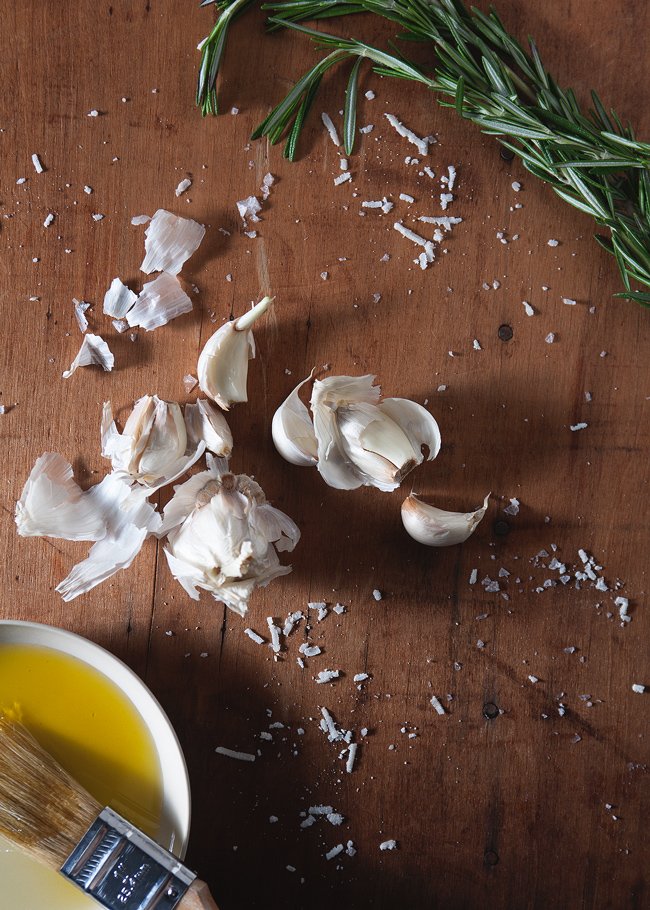
I decided to remedy this immediately. As usual, I pulled out my battered copy of Good to the Grain. The recipes coupled with the photography always fill me with this longing to lead a more wholesome life, with no greasy take-out food, no indoor pants, and fresh air coursing through the rooms at all times. Let’s address why these are impossibilities.
First, there’s no way I could do away with my comfort food burritos, which are filled to the brim with rice, beans, meat (MEAT), and other stuff that’s good for the soul but not so much for the waistline (it feels weird writing about waistlines, as I don’t think I’ve ever given mine any proper thought). Secondly, I hate wearing jeans, which is something about me you would never guess because I ALWAYS WEAR JEANS. But it’s true. I’d much rather have my legs be swathed in loose, silky, comfortable pants when there’s no one to impress.
And finally, it’s still 40 degrees out, yo! Despite the fact that both Chris and I think of our heating as the devil because it makes the apartment unbearably stuffy, it only turns on twice a day, so to open the windows would be wasting the heated air.
I think the point I’m trying to make is that the healthful life I dream about is probably largely illusory. Though I enjoy baking with whole grain flours, and eating vegetables with all my meals (well, not breakfast—I do give myself a break then), and going to the gym thrice weekly, I’m not perfect.
Anyway, the focaccia called to me.
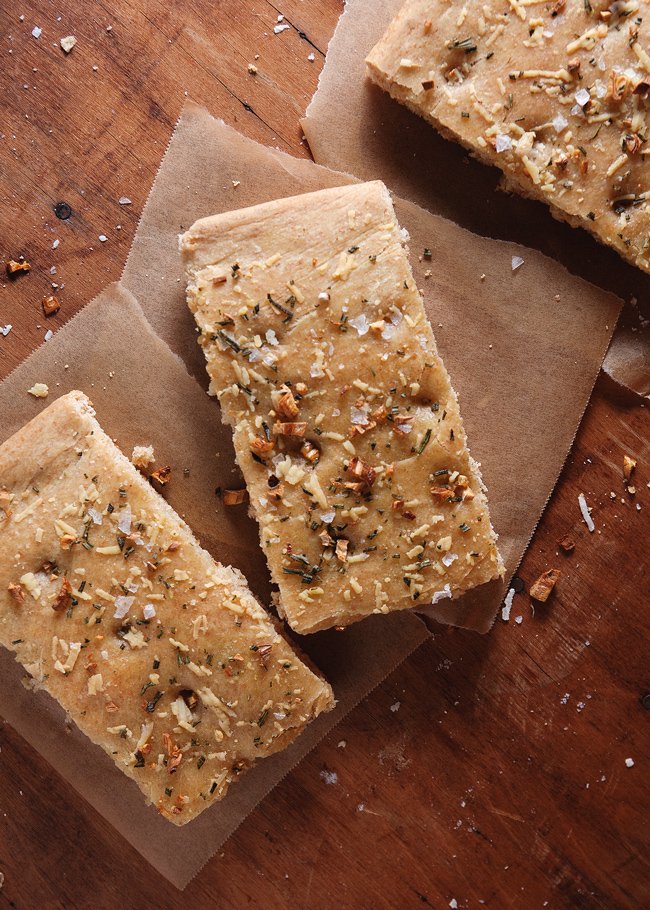
Spelt foccacia is less springy than regular foccacia, of that I’m sure. Since spelt contains low amounts of gluten, doughs containing it don’t rise as well and result in a lack of the same effervescence as all-purpose doughs. Hence, a slightly denser texture and less sticky.
On the other hand, spelt has a great flavor that I think came through in this recipe. It was kind of hard to tell, with such strong-flavored toppings all competing for attention, but I detected a wheat-flour like taste, with that signature nuttiness I really love.
What disappointed me the most about this recipe was probably due to the overall crappiness of my oven, but my focaccia refused to golden-brown properly! Very disappointing, especially because, I’d kept it in there for so long that the garlic and rosemary started burning. It’s alright. I don’t think the taste suffered too much, but it made for a slightly less attractive presentation.
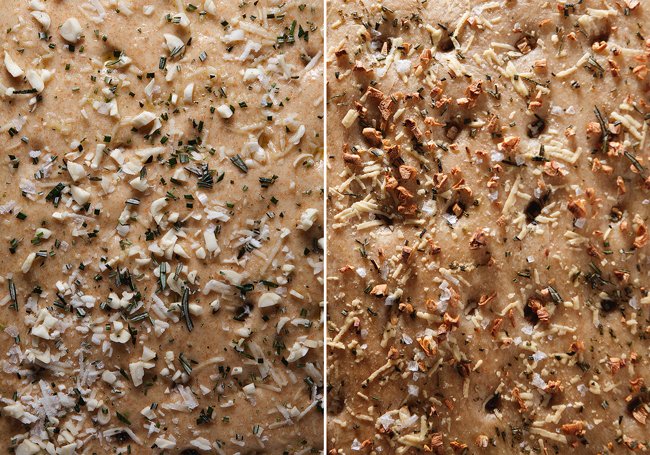
I don’t need to tell you what to do with focaccia. Neither do I need to tell you how to top it. But, I will add, rosemary is one of my favorite herbs, and it really suits breads, spelt, and garlic and pecorino. With that said, a simple sea salt topping would be enough to make me a happy sailor, and I would gladly eat this focaccia in any form it was offered. In my case, it went perfectly alongside leftover soup (third batch and still going strong), always a winning combination.
(I should also add, I accidentally bought 2 pounds of active dry yeast, so I think I’m going to take up bread-making as a hobby for the foreseeable future. Focaccia is only the beginning, my friends!)
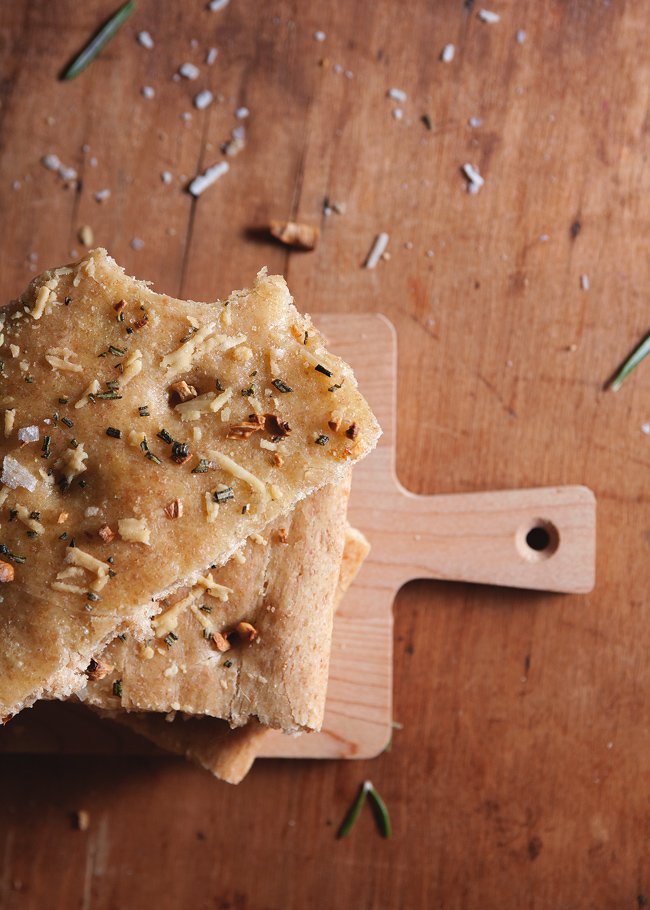
SPELT FOCACCIA WITH ROSEMARY, GARLIC, AND PECORINO
Adapted from Good to the Grain
Makes 1 rectangular focaccia
Ingredients:
1 package active dry yeast (2-1/4 tsp)
Pinch of sugar
1 cup spelt flour
2 cups all-purpose flour, plus more for kneading
1 T kosher salt
1/4 cup plus 2 T olive oil (plus more for greasing)
garlic, herbs, spices, coarse salt, cheese, and any other toppings of choice
Directions:
Lightly rub a large bowl with olive oil. Add 1-1/4 cups of warm water, yeast, and sugar to another large bowl. Stir, and allow the yeast to bloom for about 5 minutes (should start bubbling). Add the flours, salt, and 2 T olive oil and stir to combine. Pour the dough onto a lightly floured surface and begin kneading, adding up to 1/2 cup of all-purpose flour if needed (depending on the manageability of the dough, as it’s quite sticky). Knead for about 10 minutes until the dough is elastic and supple (you’ll start to feel the difference—just keep kneading!)
Put the dough in the oiled bowl, turning it so it’s lightly covered with the olive oil. Cover with a towel and let rise for about 2 hours, or until doubled in size.
Generously oil a baking sheet with olive oil. Place the risen dough onto the baking sheet and stretch it so it fills the pan. Dimple it with your thumb, then cover with a towel and let rise for about an hour.
Preheat your oven to 400 degrees F. Now it’s time to top the dough. First, brush a 1/4 cup of olive oil onto the dough, then sprinkle with the toppings of your choice. Bake for 22 to 25 minutes until golden brown. Allow the bread to cool slightly before slicing and serving.
As a note, you can store the dough in the fridge after the first rise. Just cover it tightly with plastic wrap and make sure to let it come to room temperature before continuing on with the recipe.