Chocolate Strawberry Oreo Truffles

Today I made some last minute treats for our 4th of July picnic tomorrow. I love the Oreo and cream cheese combo, but this time I chose to use strawberry flavored cream cheese. Strawberries and chocolate always go well together. These are so easy to make and you can adapt them for any party.
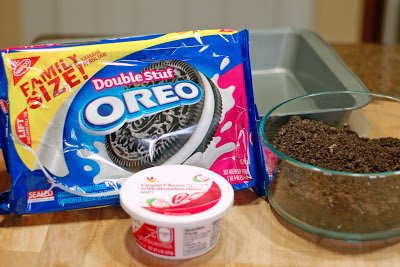
You just need to crush some Oreos in a food processor. I actually used my Blendtec machine and it worked fine. I used Double Stuf Oreos, but you can use the regular Oreos.
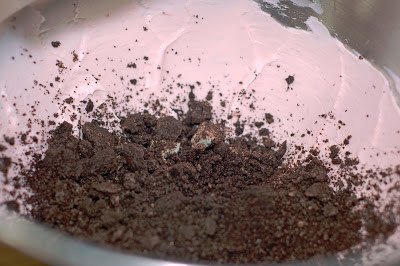
I softened up the cream cheese first in my stand mixer, but you can also use a hand mixer.

I did notice that the Double Stuf Oreos made for a softer dough, but once I froze them, they were still easy to work with. I only froze them for an hour and it was just enough time for them to harden up a bit and still be able to put the sticks in.

I used Wilton’s lollipop sticks and Wilton’s dark chocolate candy melt. Since these were for 4th of July I used red, white and blue sprinkles.

It usually is best to dip the sticks in candy melt before inserted them in the Oreo balls. They will stay in better. By the time I had finished putting the last stick, the candy melt on the first stick had already hardened so I was able to start dipping.

Just dip, twirl a little to remove excess chocolate and then set in down on wax paper or parchment paper. Don’t worry if you get a little chocolate on the stick. I wipe it off with a damp cloth.

Then just add some sprinkles and let the chocolate melt harden. If you notice that too much chocolate is pooling around the bottom of your truffle, just pick it up and move it to another spot on your paper. I had to do that a few times.

Chocolate Strawberry Oreo Truffles
by The Sweet Chick
Prep Time: 1.5 hours
Keywords: no bake dessert snack oreos cream cheese dark chocolate July 4th pops truffles American
Ingredients (24 truffles)
For the truffles
- 1 package (1lb 4oz.) Double Stuf Oreos
- 1 container (8 oz.) strawberry flavored cream cheese
For the topping and decorations
- 1 bag (12 oz.) Wilton’s dark chocolate candy melt
- 1/2 cup red, white, and blue sprinkles
Also needed
- 24 lollipop sticks
Instructions
For the truffles
Crush Oreo cookies in a food processor until they are a dirt like consistency.
In a stand mixer or with a hand mixer, mix the cream cheese until softened.
Then add the crushed Oreos a little at a time until well incorporated and the mixture becomes a dough like consistency.
Roll Oreo mixture into 1 inch balls and place in airtight container lined with wax paper. Place the container in the freezer for at least 1 hour to set.
For the topping and decorations
After the balls are set, place candy melt in a glass container and melt in the microwave as per directions on package (30 second intervals , stirring in between).
Remove Oreo balls from the freezer. Dip the tip of each lollipop stick in the candy melt and insert sticks into each ball.
When the candy melt has hardened, pick up by the stick and dip the Oreo balls into candy coating until all covered. Once covered, remove and softly tap and rotate until excess candy melt falls off. Don’t tap too hard or the Oreo ball will fall off, too.
Then place pops on wax paper, stick facing upwards. Add sprinkles before the candy melt hardens.
Once the candy melt has hardened you are free to eat one! Do try to place the rest in an airtight container and store in the fridge for your party.
These truffles can be made ahead of time and refrigerated for 3-4 days.
Is Celery Acidic? Celery for Acid Reflux: Good or Bad?

Celery, a staple in many diets, is widely recognized for its crunch, low calorie count, and health benefits. But for those suffering from acid reflux or GERD (gastroesophageal reflux disease), the question arises: “Is celery acidic? Is celery for acid reflux a good choice or a potential trigger?” In this article, we will dive into the pH level of celery, its potential effects on acid reflux, and how to incorporate it into a reflux-friendly diet. By the end, you’ll have a clear understanding of whether celery can be your ally in managing acid reflux.
Is Celery Acidic? Understanding Its pH Level
Celery is classified as an alkaline food, with a pH level ranging from 5.7 to 6.0. While not as alkaline as some other vegetables, celery is still considered a low-acid option. Here’s a quick comparison:
| Food Item | pH Range | Acidity Level |
| Celery | 5.7–6.0 | Low Acid/Neutral |
| Spinach | 6.5–7.0 | Alkaline |
| Cucumber | 6.0–7.0 | Alkaline |
| Tomatoes | 4.0–4.6 | Alkaline |
Celery’s alkaline nature makes it a popular choice for individuals looking to balance their diet and reduce acidity. Its ability to help neutralize stomach acid has made it a go-to food for those managing acid reflux.
Related to Read: Is Bok Choy Safe for Acid Reflux?
Nutritional Benefits of Celery: A Powerhouse of Health
Celery isn’t just about its alkalinity; it’s a nutrient-rich vegetable offering numerous health benefits:
- High Water Content: With over 95% water, celery keeps you hydrated and aids in digestion.
- Rich in Antioxidants: Contains flavonoids, beta carotene, and vitamin C, which combat oxidative stress.
- Dietary Fiber: Promotes gut health and regular bowel movements.
- Low in Calories: A perfect snack for those looking to manage their weight.
- Anti-Inflammatory Properties: Contains phytonutrients that may reduce inflammation in the body.
Can Celery Help with Acid Reflux? Exploring Its Impact
Celery is often recommended as a reflux-friendly food due to its alkalinity and digestive benefits. Here’s how celery might help:
1. Neutralizes Stomach Acid
The alkaline nature of celery can help balance stomach acid levels, reducing the likelihood of acid reflux symptoms.
2. Supports Digestion
Celery’s fiber content aids in smooth digestion, preventing issues like bloating and indigestion that can exacerbate acid reflux.
3. Low-Fat Content
High-fat foods can trigger acid reflux by relaxing the lower esophageal sphincter (LES). Celery, being naturally low in fat, avoids this problem.
4. Hydration
The high water content in celery helps dilute stomach acid, potentially preventing reflux episodes.
Related to Read: Is Cabbage Juice Acidic?
How to Include Celery in a Reflux-Friendly Diet?
To maximize celery’s benefits while minimizing any potential discomfort, consider these tips:
1. Eat It Raw
Raw celery retains its crunch, nutrients, and alkalinity. Pair it with a reflux-safe dip like hummus.
2. Add to Smoothies
Blend celery with alkaline fruits like bananas and spinach for a refreshing, reflux-friendly smoothie.
3. Incorporate into Soups
Cooking celery in low-acid soups can make it easier to digest without compromising its benefits.
4. Avoid High-Acid Pairings
Skip pairing celery with acidic ingredients like tomatoes or citrus-based dressings.
5. Drink Celery Juice
While slightly less fiber-rich, celery juice is another way to enjoy its alkalinity. Start with small servings to gauge your tolerance.
Author Tip: 7-Day Meal Plan For Gastritis
Potential Risks of Celery for Acid Reflux
Though celery is generally well-tolerated, it’s not entirely risk-free:
- Bloating: Excessive consumption may cause bloating in sensitive individuals.
- Allergic Reactions: Rarely, celery can trigger allergic responses in some people.
- Pesticide Residue: Opt for organic celery or wash thoroughly to avoid exposure to pesticides.
Author Tip: 7 Kinds of Foods to Avoid with GERD
Celery vs. Other Vegetables for Acid Reflux
How does celery compare to other vegetables in managing acid reflux?
| Vegetable | Acidity Level | Reflux-Friendly |
| Celery | Low Acid | Yes |
| Spinach | Alkaline | Yes |
| Broccoli | Alkaline | Yes |
| Onions | Acidic | No |
Celery stands out as a versatile, reflux-friendly vegetable, suitable for most diets.
Related to Read: Are Broccoli Acidic?
FAQs About Celery and Acid Reflux
1. Is celery good for acid reflux?
Yes, celery is alkaline and can help neutralize stomach acid, making it a good choice for acid reflux sufferers.
2. Can celery juice worsen acid reflux?
Unlikely, but individual tolerances vary. Start with small amounts to ensure it doesn’t trigger symptoms.
3. How much celery should I eat daily for acid reflux?
Aim for 1–2 stalks or half a cup of chopped celery daily as part of a balanced diet.
4. Are cooked celery and raw celery equally beneficial?
Both forms are beneficial, but cooking celery can make it easier to digest for some people.
5. Can celery replace medication for acid reflux?
While celery may alleviate symptoms, it’s not a substitute for prescribed medication. Always consult a healthcare provider for severe or persistent reflux.
Conclusion: Is Celery a Good Choice for Acid Reflux?
Celery’s low acidity, high water content, and digestive benefits make it an excellent option for managing acid reflux. Its versatility allows for easy incorporation into various meals, whether raw, cooked, or juiced. While individual results may vary, most people with acid reflux can enjoy celery without concern. By adding celery to your diet mindfully, you can take a step toward better digestive health and overall well-being.