
Honey Thyme Ice Cream, And A Countdown

Medically reviewed by Christiana George Updated Date: June 8, 2023

If you follow me on Pinterest, you’ll have noticed that the activity on my Wedding board has increased lately (mostly because it used to consist of nothing).
Bouquets, dresses, venues, they’re kind of the topic du jour. Du année is more like it. Chris and I are supposedly getting married next summer.
I would understand if nobody believed us. After all, ‘we’re getting married… soon’ is becoming something of a party line, a slogan of sorts. It’s good for when our moms call, or when our friends inquire—although I have noticed that the asking of the question has trailed off as of late. See, nobody believes us anymore.
Though we got engaged last summer, we decided to postpone our wedding by a year because we knew that 2012 was going to be extremely tumultuous: we both quit our jobs, went on an extended backpacking trip, then moved across the country. Who has time for wedding planning among all of that action?
Anyway, we’ve agreed to start planning in September, a prospect I’m not really looking forward to. All the details and the spreadsheets (I’m a Type-A wannabe), the tracking of said details, the eventual arrival at the point where I realize I can’t stop thinking about the details. And there will be lists, and the honing of lists, and the further honing of lists. Finally, the horrifying realization that we’re probably going to spend more on this one day than the two of us did during the whole four months that we spent backpacking through South America. Times two. Or three. I won’t let it reach three, I promise.
Below is one last ice cream recipe to mark our loss of innocence. Before we become initiated to the world of on-site versus off-site catering, sweetheart versus wedding party table, sleek versus poofy (dress, of course), signature cocktail versus open bar, and much, much more. All to come, my friends, all to come… (don’t worry, I promise I won’t inundate you with wedding details.)
Or maybe this recipe just marks the end of the summer months, and a successful conclusion to our very first summer in New York City.
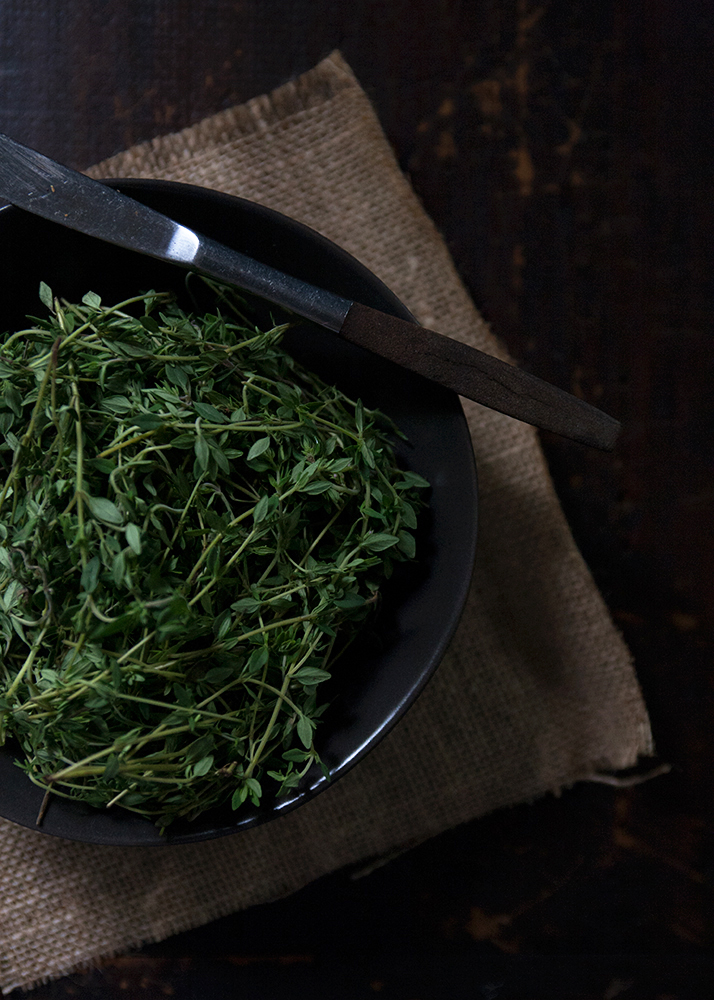
I love the interplay of sweet and savory and this ice cream is both subtle and satisfying. I can’t decide if the thyme amplifies the honey or the honey amplifies the thyme, but it has a very distinct flavor I enjoy very much. Honey ice cream on its own tastes so pure to me: it loses its super-concentrated sweetness, and becomes creamy and floral and light. Thyme is by no means heavy-tasting, but it adds just that touch of… darkness, moodiness, a slightly off-kilter note that’s therefore more complex. An olfactory play on chiarascuro?
Here’s to the end of August, and the beginning of a countdown. 12 months, 11, 10….until I get hitched!

HONEY THYME ICE CREAM
From The New York Times
Makes about 1 quart
Ingredients:
1 cup whole milk
2 cups heavy cream
6 large sprigs fresh thyme
4 egg yolks
3/4 cup honey
Directions:
Combine the milk and cream in a saucepan and add the thyme. Bring to a boil. Remove from the heat, cover and let stand for 20 minutes. Strain and return the mixture to the saucepan.
Meanwhile, whisk the egg yolks in a bowl. Slowly pour in the cream mixture a little bit at a time, whisking constantly. After adding a cup, whisk in the honey and add the rest of the cream. Pour the mixture back into the saucepan, cook over low heat and stir constantly until the mixture is thick enough to coat the back of a spoon. Cool, then refrigerate until cold, 2 hours to overnight. Freeze in an ice-cream machine according to manufacturer’s instructions.
Note: The type of honey you use probably matters very much because there are so few ingredients. Mine was light, kind of a general all-purpose honey. I wonder if the buckwheat honey I tried at the farmer’s market, which was a little too bitter for everyday use, might not work well in this recipe? Also, this ice cream melts quickly. Maybe the honey’s chemical composition lowers the frozen custard’s freezing point? I’m not sure, but if serving to a group, you might want to pass out the bowls as you scoop.
Related Posts





Subscribe for New Racipies
Get mental health tips, updates, and resources delivered to your inbox.
Are Chickpeas Safe for Acid Reflux?


Acid reflux, commonly referred to as heartburn, occurs when stomach acid flows back into the esophagus, causing irritation and discomfort. For individuals managing this condition, dietary choices play a pivotal role in reducing symptoms.
One frequently asked question is whether chickpeas—a popular legume—are safe to consume for those suffering from acid reflux. Let’s dive deep into the topic to uncover the facts.
Nutritional Profile of Chickpeas
Chickpeas, also known as garbanzo beans, are nutrient-dense and offer several health benefits. Here’s a breakdown of their nutritional content per 100 grams (cooked):
| Nutrient | Amount | % Daily Value (DV) |
| Calories | 164 kcal | 8% |
| Protein | 8.9 g | 18% |
| Dietary Fiber | 7.6 g | 30% |
| Carbohydrates | 27.4 g | 9% |
| Fat | 2.6 g | 4% |
| Potassium | 291 mg | 8% |
| Magnesium | 48 mg | 12% |
| Iron | 2.9 mg | 16% |
Chickpeas are a rich source of fiber, plant-based protein, and essential nutrients such as magnesium, potassium, and iron.
These attributes make them a healthy addition to many diets, including those focused on weight loss, heart health, and diabetes management. But how do they fare for acid reflux sufferers?
Chickpeas and Acid Reflux: The Connection
1. Acidic vs. Alkaline Nature
Chickpeas are mildly alkaline, with a pH level ranging from 6 to 7. This makes them less likely to trigger acid reflux compared to highly acidic foods like citrus fruits or tomatoes.
2. High Fiber Content
The high fiber content in chickpeas aids in digestion by promoting regular bowel movements. This can prevent constipation, which is often linked to increased abdominal pressure and exacerbation of acid reflux symptoms.
3. Low Fat Content
Fatty foods relax the lower esophageal sphincter (LES), a muscle that prevents stomach acid from entering the esophagus. Chickpeas are low in fat, reducing the risk of LES relaxation and subsequent acid reflux episodes.
4. Potential Triggers for Some Individuals
Despite their benefits, chickpeas can sometimes cause bloating and gas in sensitive individuals. These symptoms can increase abdominal pressure, potentially worsening acid reflux. Cooking chickpeas thoroughly and consuming them in moderation may help mitigate this.
Author Tip: 7 Kinds of Foods to Avoid with GERD
Benefits of Chickpeas for Acid Reflux
1. Rich in Alkaline Minerals
Chickpeas contain magnesium and potassium, which are known to reduce acidity in the stomach. These minerals can provide relief from acid reflux symptoms by neutralizing excess stomach acid.
2. Supports Gut Health
The soluble fiber in chickpeas acts as a prebiotic, feeding beneficial gut bacteria. A healthy gut microbiome has been associated with reduced inflammation and improved digestion, which can indirectly benefit those with acid reflux.
3. Weight Management
Maintaining a healthy weight is crucial for managing acid reflux, as excess weight can put pressure on the stomach and LES. Chickpeas are filling yet low in calories, making them an excellent choice for weight-conscious individuals.
How to Safely Include Chickpeas in an Acid Reflux Diet?
Here are some practical tips to enjoy chickpeas without triggering acid reflux:
- Cook Thoroughly: Ensure chickpeas are well-cooked to reduce their gas-producing potential. Use a pressure cooker or soak them overnight before cooking.
- Avoid Spices and Fats: When preparing chickpeas, avoid adding spicy or fatty ingredients, as these can trigger acid reflux. Opt for mild seasonings like turmeric, cumin, or parsley.
- Portion Control: Start with small portions and monitor your body’s response. Overeating can lead to discomfort and exacerbate reflux symptoms.
- Combine with Alkaline Foods: Pair chickpeas with alkaline foods like leafy greens or cucumbers to create a reflux-friendly meal.
Chickpea-Based Recipes for Acid Reflux
1. Chickpea and Vegetable Salad
Ingredients:
- 1 cup cooked chickpeas
- 1 cup chopped cucumbers
- 1 cup diced bell peppers
- 1 tbsp olive oil
- 1 tsp lemon juice (optional, depending on tolerance)
- Fresh parsley
Instructions: Mix all ingredients in a bowl, and season with a pinch of salt and cumin. This refreshing salad is light and gentle on the stomach.
2. Creamy Chickpea Soup
Ingredients:
- 2 cups cooked chickpeas
- 4 cups low-sodium vegetable broth
- 1/2 cup diced carrots
- 1/2 cup diced celery
- 1 tbsp olive oil
- A pinch of turmeric
Instructions: Sauté carrots and celery in olive oil until tender. Add chickpeas, broth, and turmeric. Simmer for 20 minutes, then blend until creamy.
Author Tip: 7-Day Meal Plan For Gastritis
Scientific References Supporting Chickpea Benefits
Several studies highlight the benefits of chickpeas for digestive health:
- Fiber and Gut Health: A 2017 study published in Nutrients emphasized the role of dietary fiber in promoting gut health and preventing digestive disorders.
- Alkaline Foods and Acid Reflux: Research in the World Journal of Gastroenterology (2018) found that a diet rich in alkaline foods can reduce GERD symptoms.
- Weight Loss and GERD: A study in Obesity Reviews (2020) concluded that weight loss significantly reduces GERD symptoms, underscoring the importance of calorie-conscious foods like chickpeas.
Final Verdict
Are chickpeas safe for acid reflux? For most individuals, the answer is yes. Their alkaline nature, high fiber content, and low fat make them a reflux-friendly food. However, individual tolerance varies, and it’s essential to monitor how your body responds.
By preparing chickpeas mindfully and incorporating them into a balanced diet, you can enjoy their numerous health benefits without aggravating acid reflux.
If you’re new to chickpeas or managing acid reflux, consult a healthcare provider or dietitian for personalized advice. With the right approach, chickpeas can be a nutritious and delicious addition to your diet.
Related Posts



Subscribe for New Racipies
Get mental health tips, updates, and resources delivered to your inbox.