Spiced Butternut Squash Cupcakes
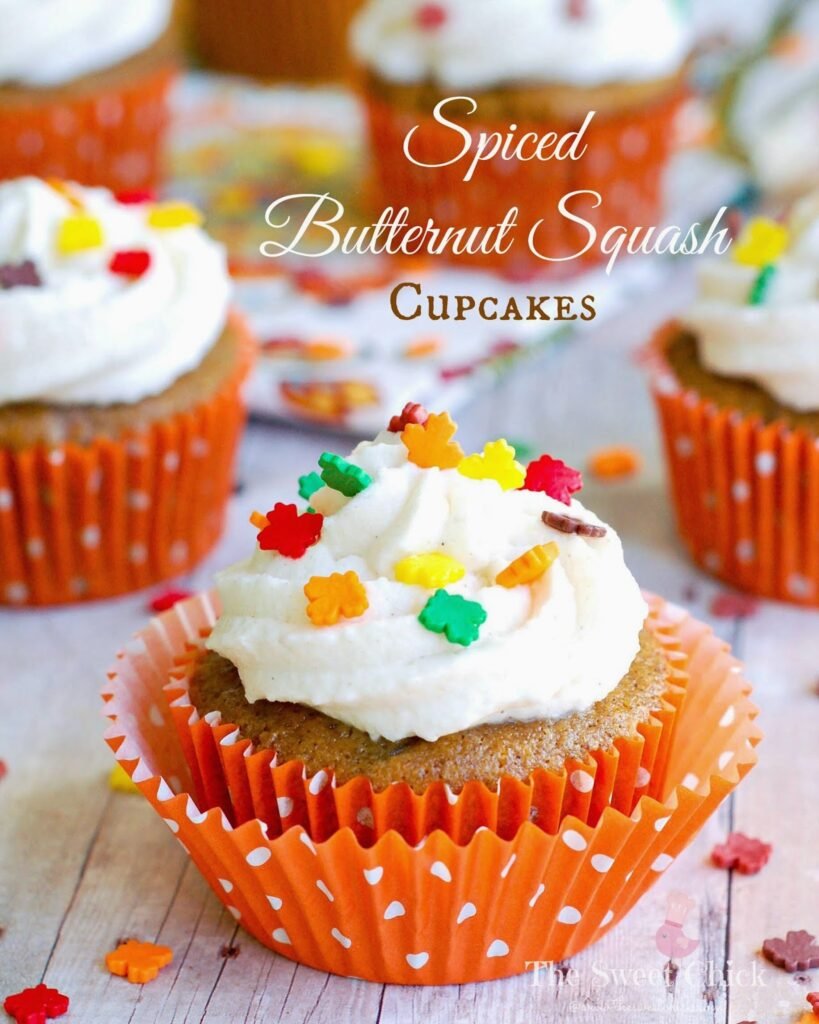
O.M.G. I’ve been dying to share these cupcakes. I think these are the best tasting cupcakes ever. The flavor combinations are superb. I was playing around with some butter rum flavoring that my neighbor gave me and some fresh butternut squash puree I made, resulting in these fabulous, spiced Butternut Squash Cupcakes with butter rum flavor. I think I just found my new flavor to use in just about everything. I was always a vanilla girl, but now I think I am switching over to butter rum. It’s has a slightly sinful taste to it. I love it!
I used butternut squash a lot last year in my Maple Butternut Squash Bread, Biscoff Butternut Squash Oatmeal Cookies, Maple Butternut Squash Donuts, and No Bake Butternut Squash Cheesecakes. But I never got around to making cupcakes. This year I remedied that.
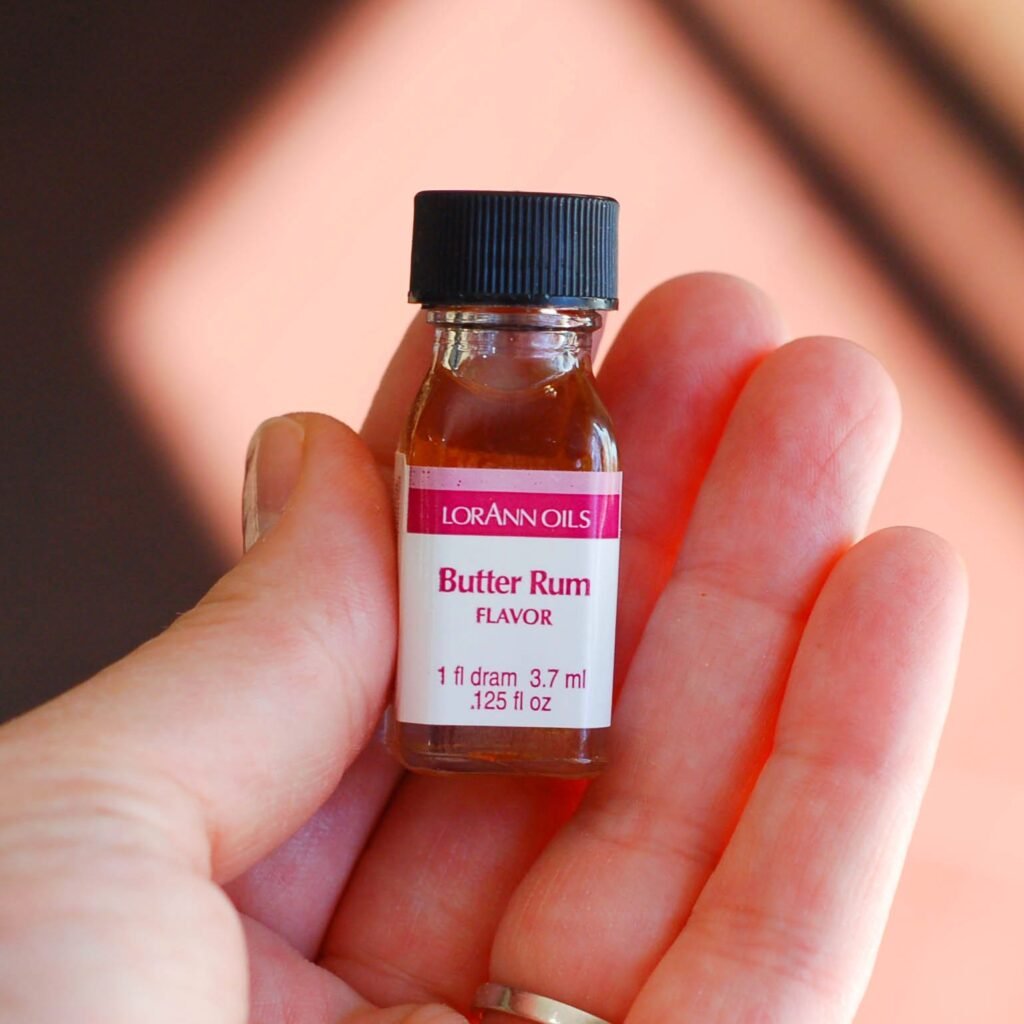
My neighbor gave me this bottle of butter rum flavoring and I thought it would be a good pairing with butternut squash. If you need help on how to make butternut squash puree just click here. It’s really easy.
Let me tell you, the smell of the butter rum baking is to die for. It just scented up the whole kitchen. I couldn’t wait to take these out of the oven. But then, tragedy happened. My nice domed cupcakes became flat tops. I was so dissappointed. I though all was ruined and the cupcakes would be dense, brick-like failures. Boy was I wrong. These were the lightest, fluffiest, moistest, and most flavorful cupcakes I had ever tasted. I wanted to devour every single one, but I held back. They weren’t even frosted yet.
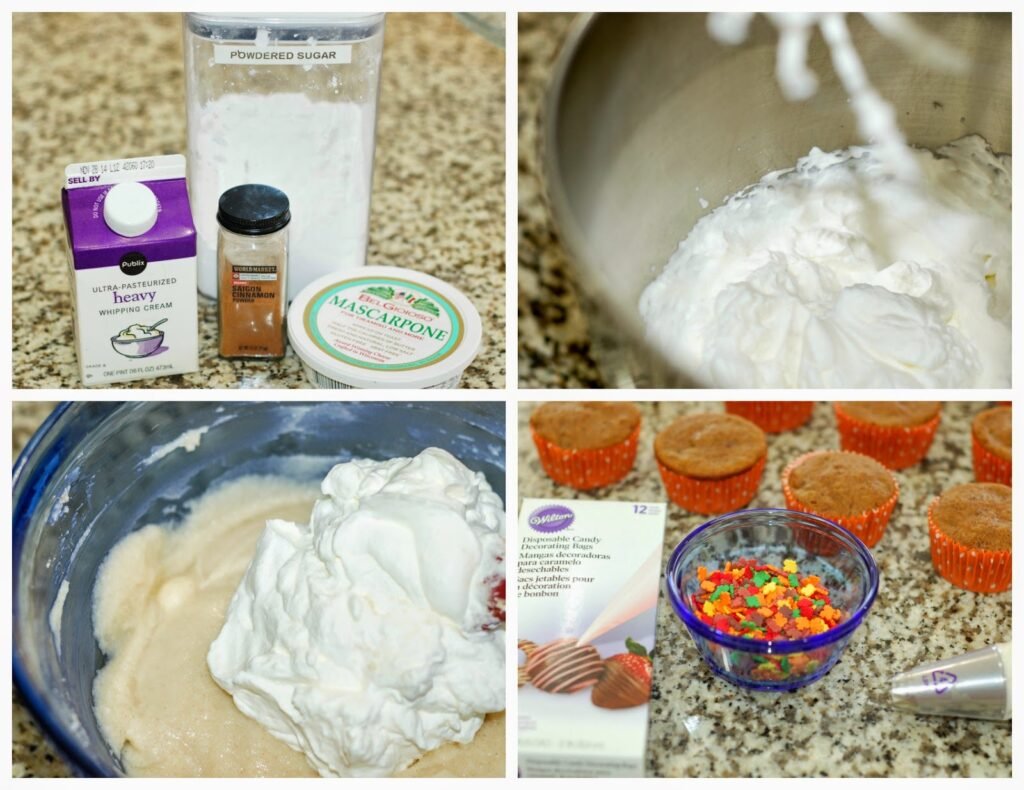
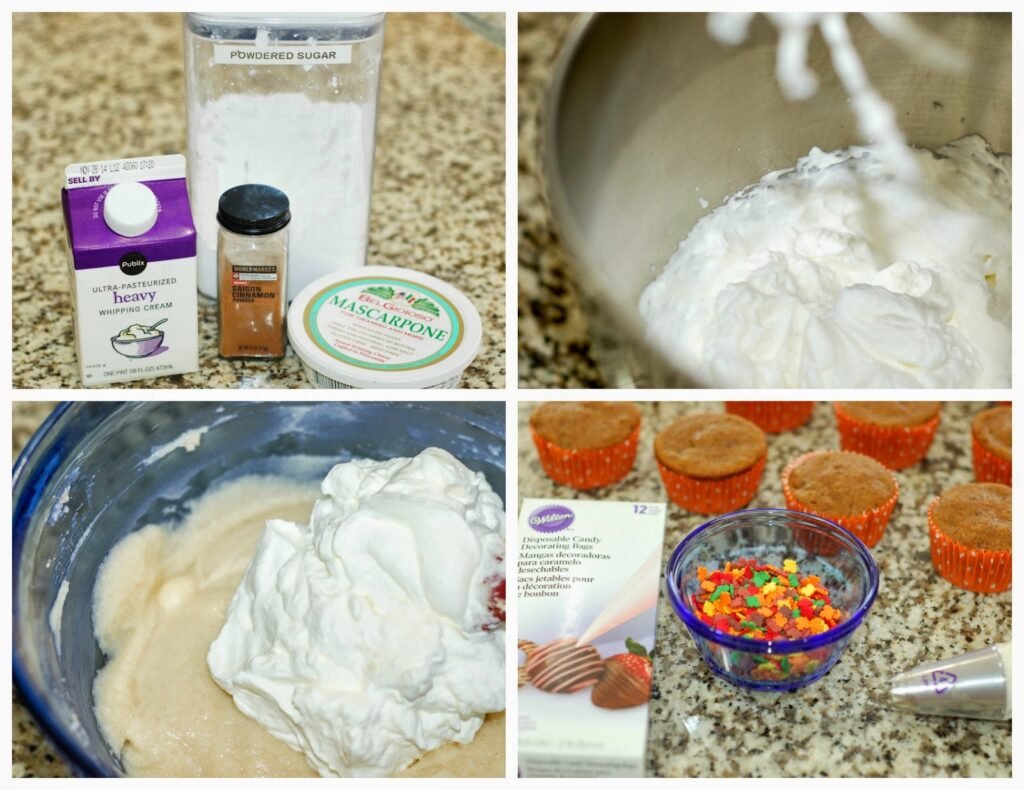
Picking a frosting is always a tricky matter. You want it to be good, but not overpower the cupcake. It needs to accentuate the flavors in the cupcake. And these cupcakes were amazing on their own, so I didn’t want to mess that up. I choose to top them with my favorite Cinnamon Mascarpone Frosting. It’s the same one I used on my Churro Cupcakes, Churro Puff Pastry, Cinnamon Chocolate Cake, No Bake Butternut Squash Cheesecakes, Maple Carrot Cupcakes and even in my Pumpkin Spice Crepes. It adds just a dollop of flavor that throws your taste-buds over the edge. I can eat it by the bucket full.

I just added a little bit of frosting to each cupcake. I used an Ateco 827 frosting tip and some festive fall sprinkles for some color.
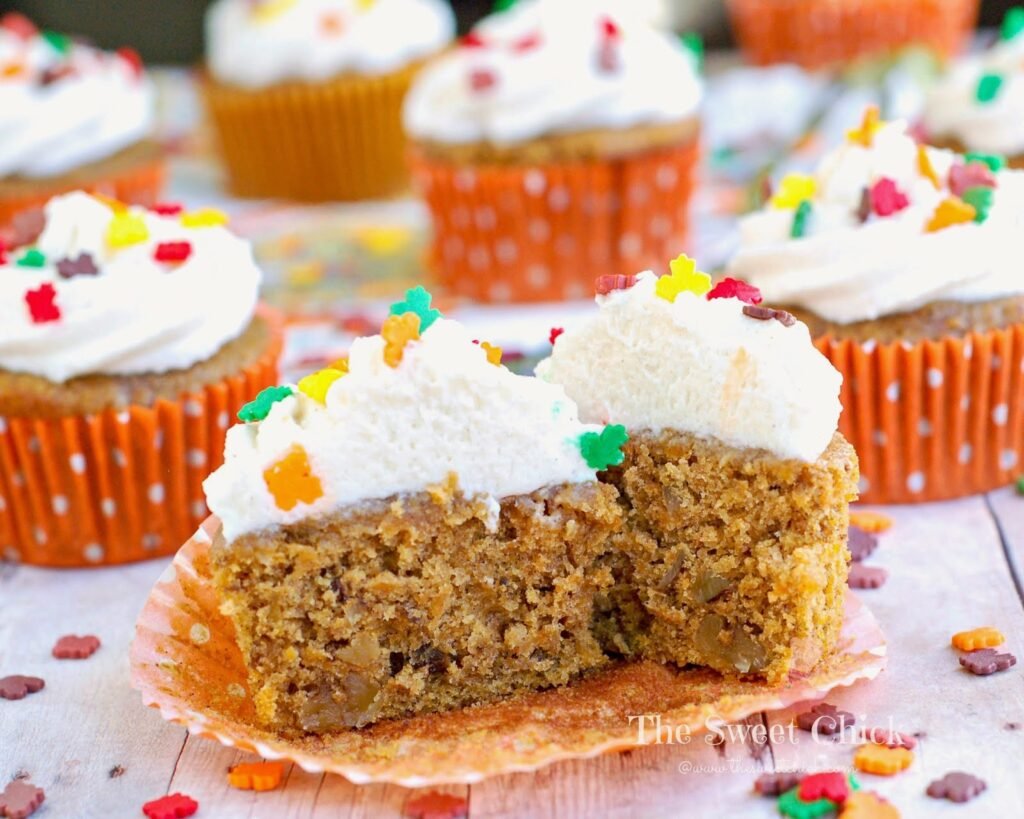
Just look at that beautiful inside, the perfect texture for a cupcake. I was intending to only use pecans in my mix, but I found out last minute that I didn’t have enough, so I subbed walnuts in for about half the amount needed. Now I don’t know which I prefer, walnuts or pecans. Both went well with the flavors. So you can choose either when making your cupcakes or you can go halfsies like me.
I still can’t believe how incredible these cupcakes came out. There a little bit of spice, a little bit of sweet, a little bit of rum, and a whole lotta deliciousness in each one. Trust me, you are going to want to make these.
Spiced Butternut Squash Cupcakes
by The Sweet Chick
Prep Time: 15- 20 minutes
Cook Time: 20-25 minutes
Keywords: bake dessert snack butternut squash pecans walnuts butter rum Thanksgiving cupcake cake American fall
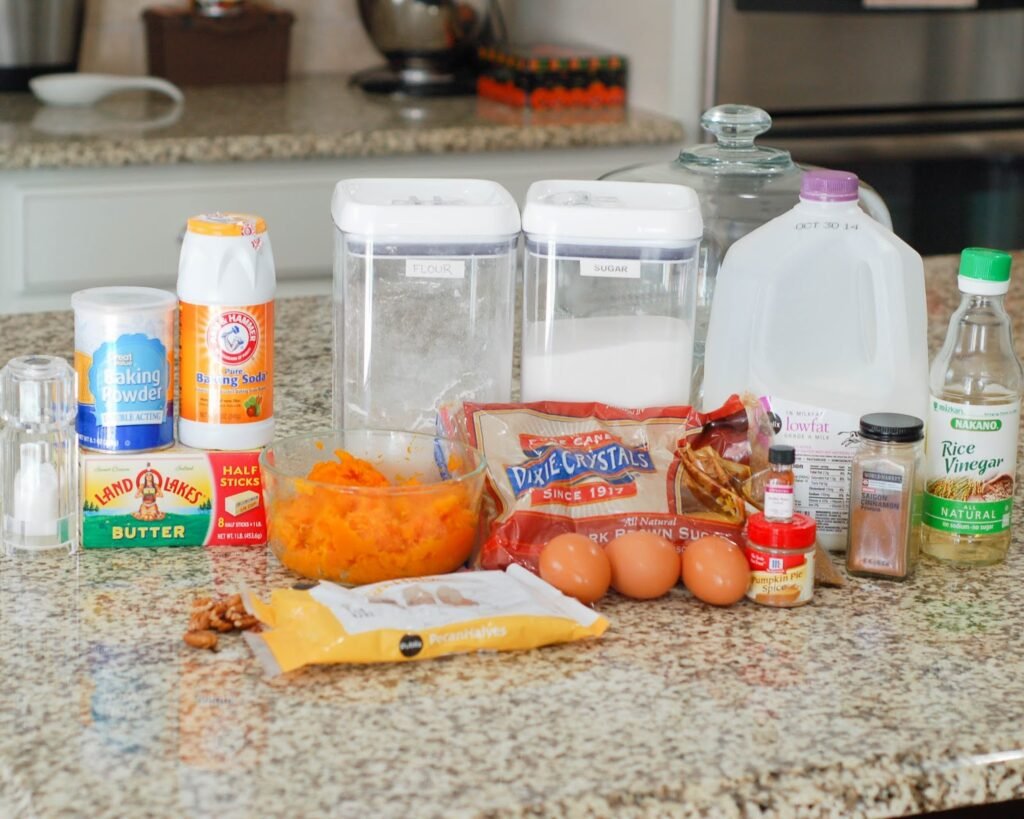
Ingredients (30 cupcakes)
For the cupcakes
- 3/4 cups butter, softened
- 1 cup granulated sugar
- 1 1/4 cups light brown sugar
- 3 eggs
- 1/4 teaspoon LorAnn oils, butter rum flavor
- 2 cups butternut squash puree
- 2 1/3 cups all purpose flour
- 1 tablespoon pumpkin pie spice
- 1 teaspoon ground cinnamon
- 1/2 teaspoon ground ginger
- 1 teaspoon baking powder
- 1/2 teaspoon baking soda
- 3/4 teaspoon salt
- 1 cup buttermilk (or buttermilk replacement, see below)
- 1 cup chopped pecans or walnuts (or 1/2 of each)
For the frosting
- 1 cup heavy cream
- 8 oz. mascarpone cheese, room temperature
- 1/2 cup powdered sugar
- 1/4 teaspoon cinnamon
Instructions
For the cupcakes
Preheat oven to 350° F.
In a stand mixer, cream together the butter and sugars until light and fluffy.
Then add the eggs, squash, and butter rum. Mix until well blended.
In a large bowl, combine the flour, spices, baking powder, baking soda, and salt.
Add a third of the flour mixture at a time to the squash mixture, alternately with the buttermilk, mixing well in between and scraping down the sides of the bowl.
Lastly, add the nuts and mix until fully incorporated.
Pour mixture into greased or lined muffin tins, about 3/4 full for each well.
Place muffin tins in oven and bake on 350ºF for 20-25 minutes or until toothpick inserted in center comes out clean.
Then take out of oven and place on cooling rack.
For the frosting
With stand mixer on medium speed (with whisk attachment), whisk heavy cream until stiff peaks form (be careful not to over beat, or cream will be grainy).
In a small bowl, stir together mascarpone, cinnamon, and confectioners’ sugar until smooth.
Gently fold whipped cream into mascarpone mixture until completely incorporated.
Using a spatula, or a cake decorating bag with your favorite tip (I used Ateco #827), frost each cupcake.
Serve immediately or keep refrigerated until ready to eat. Enjoy!
Notes
As a substitute for buttermilk, I used 1 tablespoon vinegar (white or rice) plus enough milk to equal 1 cup.
Cupcake recipe adapted from Pumpkin Spice Cupcakes from Taste of Home
Frosting recipe adapted from Martha Stewart.
Are Broccoli Acidic? Broccoli and Acid Reflux

Broccoli is widely regarded as one of the healthiest vegetables, offering an abundance of vitamins, minerals, and antioxidants. However, for individuals dealing with acid reflux or GERD, questions arise about its acidity and whether it’s a safe food to consume. Does broccoli trigger acid reflux? Or could it actually help manage symptoms?
In this article, we’ll break down the acidity of broccoli, its effects on acid reflux, and practical tips for incorporating this superfood into your diet safely. Read on to discover everything you need to know about broccoli and its role in managing acid reflux.
Exploring Broccoli’s Acidity: Is Broccoli Acidic or Alkaline?
Broccoli has long been celebrated as a highly nutritious vegetable, but understanding its pH level is crucial for those managing acid reflux.
1. The pH Level of Broccoli
Broccoli is classified as a mildly alkaline food, with a pH level ranging between 6.5 and 7.5. This makes it slightly above neutral on the pH scale. Unlike acidic foods, broccoli is less likely to aggravate acid reflux and may even help balance stomach acidity.
2. Why Broccoli Is Alkaline
- Low Natural Acidity: Unlike citrus fruits or tomatoes, broccoli contains minimal natural acids.
- Rich in Minerals: Minerals like magnesium and calcium contribute to broccoli’s alkalizing effect in the body, helping neutralize stomach acid.
In summary, broccoli is an alkaline vegetable, making it a favorable option for individuals seeking reflux-friendly foods.
The Nutritional Benefits of Broccoli for Acid Reflux
Broccoli’s nutritional profile offers significant health benefits, including its ability to support digestive health. Here’s why broccoli can be a great addition to your diet:
1. High Fiber Content
Broccoli is an excellent source of dietary fiber, which helps promote smooth digestion. Fiber prevents constipation and reduces the risk of bloating, both of which can exacerbate acid reflux symptoms.
2. Anti-Inflammatory Properties
This green vegetable is packed with antioxidants like sulforaphane, which reduce inflammation in the digestive tract. A less inflamed esophagus can lead to fewer acid reflux episodes.
3. Vitamins and Minerals
Broccoli is rich in essential nutrients, including:
- Vitamin C: Helps heal damaged tissues in the esophagus caused by acid reflux.
- Vitamin K: Plays a role in maintaining healthy digestion.
- Magnesium: Known to help balance stomach acid levels.
4. Low Fat and Calories
Unlike fatty foods, broccoli is low in fat and calories, making it a safe and light choice for those prone to reflux.
Can Broccoli Cause Acid Reflux? Debunking Common Myths
Although broccoli is generally considered safe for acid reflux, there are instances where it may cause discomfort. Let’s explore the circumstances under which broccoli could potentially lead to acid reflux.
1. Overeating Broccoli
Consuming large quantities of broccoli in one sitting can cause bloating and gas, putting pressure on the lower esophageal sphincter (LES) and triggering reflux symptoms.
2. Raw Broccoli vs. Cooked Broccoli
- Raw Broccoli: The high fiber content in raw broccoli can be harder to digest for some individuals, leading to bloating or gas.
- Cooked Broccoli: Steamed or boiled broccoli is easier to digest and less likely to cause discomfort.
3. Individual Sensitivities
Some people may be sensitive to cruciferous vegetables like broccoli, which can lead to mild digestive discomfort. However, this varies from person to person and is not indicative of the vegetable being acidic.
How to Incorporate Broccoli into a Reflux-Friendly Diet?
To enjoy broccoli without triggering acid reflux, it’s essential to prepare and pair it appropriately. Follow these tips for a reflux-safe experience:
1. Opt for Gentle Cooking Methods
- Steaming: Steamed broccoli retains most of its nutrients while being easier on the stomach.
- Boiling: Lightly boiled broccoli is soft and gentle on the digestive system.
- Roasting: Roasting broccoli with a drizzle of olive oil and mild spices can add flavor without increasing acidity.
2. Avoid Over-Seasoning
Spicy or acidic seasonings like chili powder, garlic, or vinegar should be avoided, as they can irritate the stomach and trigger reflux. Instead, use reflux-friendly seasonings like dill, parsley, or turmeric.
3. Pair with Alkaline Foods
Combine broccoli with other reflux-friendly, alkaline foods such as:
- Quinoa or brown rice
- Sweet potatoes
- Leafy greens like spinach or kale
4. Control Portion Sizes
Stick to moderate portions to avoid overeating, which can put pressure on the LES and worsen reflux symptoms.
Related To Read: Are Salads Healthy?
Broccoli Recipes for Acid Reflux Sufferers
1. Steamed Broccoli with Olive Oil and Lemon-Free Dressing
- Ingredients: Fresh broccoli, olive oil, salt, and pepper.
- Instructions: Steam broccoli for 5-7 minutes, drizzle with olive oil, and season lightly with salt and pepper for a quick, reflux-friendly side dish.
2. Broccoli and Quinoa Bowl
- Ingredients: Steamed broccoli, cooked quinoa, cucumber slices, and a light yogurt dressing.
- Instructions: Mix all ingredients in a bowl and top with a yogurt-based dressing for a healthy, acid reflux-friendly meal.
3. Broccoli and Sweet Potato Mash
- Ingredients: Boiled broccoli, steamed sweet potatoes, and a pinch of salt.
- Instructions: Blend the ingredients into a smooth mash for a hearty, alkaline-rich dish.
Recipe: Broccoli Rabe & Egg Pizza
Tips for Managing Acid Reflux When Eating Broccoli
Even reflux-friendly foods like broccoli should be consumed mindfully. Here are some additional tips to ensure comfort while eating broccoli:
1. Chew Thoroughly
Properly chewing your food aids digestion and reduces the likelihood of gas or bloating.
2. Avoid Eating Late at Night
Finish meals at least 2-3 hours before bedtime to minimize nighttime reflux.
3. Maintain an Upright Position After Meals
Sitting or standing after eating helps keep stomach acid from flowing back into the esophagus.
4. Listen to Your Body
If you notice that broccoli consistently causes discomfort, try smaller portions or switch to alternative vegetables like zucchini or carrots.
FAQs About Broccoli and Acid Reflux
1. Is broccoli acidic or alkaline?
Broccoli is alkaline, with a pH level between 6.5 and 7.5.
2. Can broccoli trigger acid reflux?
While broccoli is generally safe, overeating or consuming it raw may cause bloating or gas, which can indirectly trigger reflux.
3. Is steamed broccoli good for acid reflux?
Yes, steamed broccoli is a gentle and reflux-friendly preparation method.
4. Are other cruciferous vegetables safe for acid reflux?
Most cruciferous vegetables like cauliflower and Brussels sprouts are safe when cooked but may cause gas or bloating in sensitive individuals.
5. Can broccoli help reduce acid reflux symptoms?
Broccoli’s alkaline nature and anti-inflammatory properties can help reduce reflux symptoms for many individuals.
Conclusion
Broccoli is a mildly alkaline, nutrient-rich vegetable that can be safely enjoyed by most individuals with acid reflux. By preparing it with gentle cooking methods, avoiding acidic or spicy seasonings, and pairing it with alkaline foods, you can incorporate broccoli into a reflux-friendly diet without discomfort.
As with any food, portion control and individual sensitivities are key. If you’ve been avoiding broccoli due to acid reflux concerns, this guide offers you practical tips and recipes to enjoy its numerous health benefits worry-free.
Feel free to share this article with others and explore more of our acid reflux-friendly content for tips on maintaining a healthy and comfortable diet!