Savory Citrus Delight – Raw Trout Ceviche
Get ready to tantalize your taste buds with a dish that’s like a zesty fiesta for your mouth! We’re about to embark on a flavor-packed adventure with our Savory Citrus Delight – Raw Trout Ceviche.
Imagine tender trout infused with the vibrant essence of citrus, a burst of freshness in every bite. It’s a culinary escapade where you’ll play the role of a taste explorer, navigating through the tangy twists and turns of this recipe.
So, grab your chef’s hat and a dash of excitement because we’re diving headfirst into the world of raw trout transformed into a lively and refreshing sensation!
| Name | Raw Trout Recipe |
| Cuisine | Latin American |
| Prep | 20 |
| Cook | 0 |
| Total | 20 |
| Yields | 4 |
Ingredients
- 1 pound fresh trout fillets, boneless and skinless
- 4 limes, juiced
- 2 lemons, juiced
- 1 orange, juiced
- 1 red onion, finely diced
- 2 tomatoes, diced
- 1 cucumber, peeled and diced
- 1 jalapeño pepper, seeded and minced (adjust to your spice preference)
- 1/2 cup fresh cilantro, chopped
- Salt and freshly ground black pepper, to taste
- Tortilla chips or lettuce leaves for serving
Instructions
- Prepare the Trout: Start by dicing the fresh trout fillets into small, bite-sized pieces. Place them in a large glass or stainless steel bowl.
- Citrus Bath: Squeeze the juice of limes, lemons, and orange over the diced trout. Ensure the trout pieces are fully immersed in the citrus juice. This is where the magic happens! The acid from the citrus juices will “cook” the trout, giving it a tender and flavorful texture.
- Mix and Chill: Gently stir the trout in the citrus juice to ensure all pieces are coated. Cover the bowl and refrigerate for about 15 minutes. The trout will turn a beautiful opaque color as it marinates in the citrus bath.
- Veggie Medley: While the trout is “cooking” in the citrus, finely dice the red onion, tomatoes, cucumber, and jalapeño pepper. You can adjust the amount of jalapeño to your preferred level of spiciness. For those who like it hot, leave in some seeds!
- Fresh Cilantro Kick: Chop up the fresh cilantro. Cilantro adds a burst of freshness and a lovely herbaceous note to the ceviche.
- Combine and Season: After the trout has marinated for about 15 minutes, remove it from the fridge. Drain off most of the excess citrus juice, leaving a bit for flavor. Add the diced vegetables and cilantro to the bowl with the trout. Gently mix everything together to create a colorful and flavorful ceviche.
- Season to Taste: Taste your creation and add a pinch of salt and a crack of black pepper to enhance the flavors. Remember that a little goes a long way, so start with a small amount and adjust as needed.
- Serve with Style: Time to plate up! You can serve your raw trout ceviche in a variety of ways. Try it with tortilla chips for that delightful crunch, or go lighter by wrapping spoonfuls of ceviche in fresh lettuce leaves for a low-carb option.
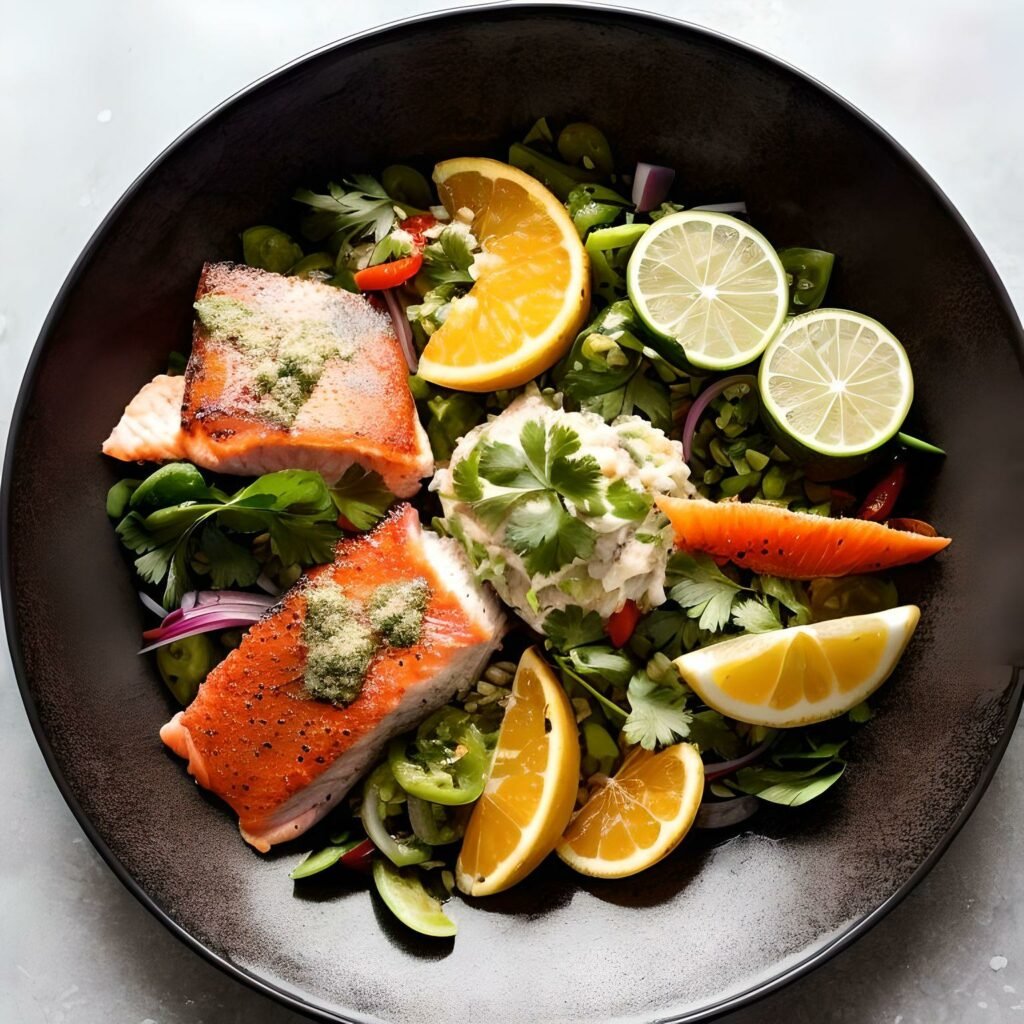
Enjoy: There you have it – a zesty, fresh, and utterly delicious raw trout ceviche that’s perfect for a light meal, appetizer, or party snack. The citrusy tang combined with the tender trout and colorful veggies will make your taste buds dance with delight. Share with friends, and watch it disappear!
Feel free to get creative with this recipe by adding your favorite ingredients or a hint of your favorite hot sauce for an extra kick. Whether you’re serving it at a gathering or simply enjoying it at home, this raw trout ceviche is sure to be a hit. Bon appétit!
5 Simple Raw Trout Recipes
Discover the elegance of raw trout with these 5 simple recipes. From zesty tartare to spicy sashimi, these dishes showcase the fresh flavors of this delicate fish.
1. Fresh Trout Tartare

Prep: 15 mins
Combine diced trout, capers, red onion, and fresh dill. Drizzle with olive oil and lemon juice. Serve with toasted baguette slices.
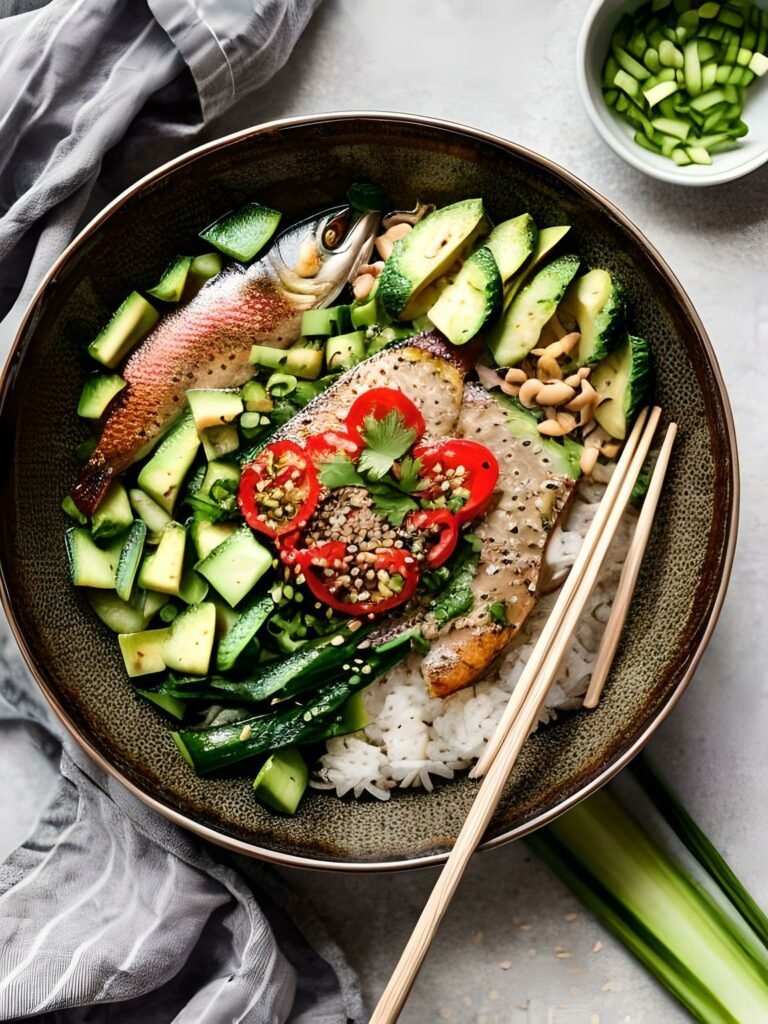
2. Trout Poke Bowl
Prep: 20 mins
Toss trout cubes with soy sauce, sesame oil, and green onions. Serve over rice or mixed greens, garnished with avocado, cucumber, and sesame seeds.
3. Zesty Trout Carpaccio

Prep: 10 mins
Thinly slice trout fillets and arrange on a plate. Drizzle with olive oil, lemon juice, and sprinkle with sea salt and fresh cracked pepper. Top with arugula and shaved Parmesan.
4. Trout Sashimi with Wasabi Mayo

Prep: 15 mins
Slice trout into thin sashimi-style pieces. Mix mayonnaise with wasabi paste for a spicy dip. Serve with pickled ginger and soy sauce.
5. Citrusy Trout Ceviche Tacos

Prep: 25 mins
Follow the basic ceviche recipe. Spoon it into soft tortillas, top with sliced avocado, and drizzle with a creamy lime-cilantro dressing.
These recipes offer a variety of flavors and textures to enjoy the delicate taste of raw trout. Feel free to adjust ingredients to your taste and get creative with your presentation. Bon appétit!
Are Turnips Acidic? Turnips and Acid Reflux

Introduction to Turnips and Digestive Health
Turnips, a root vegetable belonging to the Brassica family, are versatile and nutrient-rich. They’re often used in soups, stews, salads, and even roasted as a side dish. But for individuals managing acid reflux or following a low-acid diet, the acidity of turnips and their impact on digestion becomes an important consideration.
In this article, we’ll examine whether turnips are acidic or alkaline, how they affect acid reflux, and the best ways to include them in a reflux-friendly diet.
Nutritional Profile of Turnips
Turnips are low-calorie yet highly nutritious vegetables. A single cup of cooked turnips (about 130 grams) contains:
- Calories: 34
- Carbohydrates: 8 grams, including 3 grams of fiber.
- Vitamin C: 30% of the daily recommended intake, boosting immunity.
- Potassium: Supports healthy blood pressure and muscle function.
- Calcium: Promotes bone health.
- Antioxidants: Includes glucosinolates, compounds that have anti-inflammatory and detoxifying properties.
Their low fat and calorie content make turnips ideal for a balanced diet, but their pH and potential effects on acid reflux warrant a closer look.
Understanding the Acidity of Turnips
Are Turnips Acidic or Alkaline?
Turnips are classified as slightly alkaline to neutral, with a pH level ranging from 6.5 to 6.8. Their natural alkalinity makes them a good choice for individuals with acid reflux or those trying to reduce the overall acidity in their diet.
Do Turnips Trigger Acid Reflux?
In general, turnips are not known to trigger acid reflux. Their alkaline nature helps neutralize stomach acid, which can soothe symptoms of acid reflux. However, some individuals may experience sensitivity to turnips due to their fiber content or preparation methods.
Author Tip: Are Turnip Greens Acidic?
Turnips and Acid Reflux
Why Turnips Are Good for Acid Reflux?
- Low Acidity: With a near-neutral pH, turnips are less likely to contribute to the overproduction of stomach acid.
- High Fiber Content: Turnips contain dietary fiber that promotes healthy digestion and helps prevent bloating or gas, which can aggravate reflux.
- Anti-Inflammatory Properties: The glucosinolates in turnips may help reduce inflammation in the digestive tract, soothing irritation caused by acid reflux.
Potential Concerns with Turnips and Acid Reflux
While turnips are generally safe for acid reflux sufferers, there are a few potential issues to watch for:
- Gas and Bloating: The fiber in turnips may cause bloating in individuals with sensitive stomachs.
- Raw Turnips: Eating raw turnips may be harder on the stomach compared to cooked turnips, especially for those prone to digestive discomfort.
How to Safely Include Turnips in a GERD-Friendly Diet
To enjoy the benefits of turnips without triggering acid reflux, follow these guidelines:
Cooked vs. Raw Turnips
Cooked turnips are easier to digest than raw ones. Steaming, roasting, or boiling turnips softens their fibers and makes them gentler on the stomach.
Portion Control
Stick to moderate servings—around half a cup to one cup per meal. Overeating can put pressure on the stomach and worsen reflux symptoms.
Pairing with Non-Acidic Foods
Combine turnips with other alkaline or neutral foods such as leafy greens, potatoes, or whole grains to create balanced meals that are gentle on the digestive system.
Avoid High-Fat Preparations
Skip frying or heavy cream-based recipes, as high-fat dishes can slow digestion and trigger reflux.
Related to Read: 7 Kinds of Foods to Avoid with GERD
Health Benefits of Turnips Beyond Acid Reflux
Turnips offer numerous health benefits that make them a valuable addition to any diet:
- Rich in Antioxidants: Help combat oxidative stress and reduce inflammation.
- Supports Heart Health: High potassium levels help regulate blood pressure.
- Aids Weight Management: Low in calories and high in fiber, turnips promote satiety and help with weight control.
- Boosts Immunity: Their high vitamin C content strengthens the immune system.
Delicious and GERD-Friendly Turnip Recipes
Mashed Turnips
- Ingredients: Boiled turnips, a splash of olive oil, and a pinch of salt.
- Preparation: Mash the turnips until smooth for a creamy, reflux-friendly side dish.
Roasted Turnips
- Ingredients: Diced turnips, olive oil, and fresh herbs like thyme or rosemary.
- Preparation: Roast at 400°F (200°C) until golden brown for a healthy, flavorful option.
Turnip Soup
- Ingredients: Cooked turnips, vegetable broth, and carrots.
- Preparation: Blend the ingredients for a creamy, soothing soup that’s easy on the stomach.
Author Tip: 7-Day Meal Plan For Gastritis
Tips for Managing Acid Reflux
Including turnips in your diet is a great start, but managing acid reflux often requires a combination of dietary and lifestyle adjustments. Here are some additional tips:
- Eat Smaller Meals: Overeating can put pressure on the stomach and trigger reflux.
- Avoid Trigger Foods: Steer clear of spicy, fried, or acidic foods like citrus fruits and tomatoes.
- Don’t Lie Down After Eating: Wait at least 2–3 hours before lying down to prevent acid from flowing back into the esophagus.
- Elevate Your Head While Sleeping: Use a wedge pillow or elevate the head of your bed to reduce nighttime reflux.
- Stay Hydrated: Drink water throughout the day to support digestion but avoid drinking large amounts during meals.
Conclusion
Turnips are a low-acid, nutrient-rich vegetable that can be a valuable addition to a reflux-friendly diet. Their alkaline nature, combined with high fiber and antioxidant content, makes them a safe and beneficial choice for most individuals with acid reflux. By cooking turnips and consuming them in moderation, you can enjoy their many health benefits without exacerbating digestive discomfort.
FAQs
Are turnips acidic or alkaline?
Turnips are slightly alkaline, with a pH ranging from 6.5 to 6.8, making them suitable for a low-acid diet.
Can turnips trigger acid reflux?
Turnips are generally reflux-friendly, but raw turnips or overeating may cause discomfort for some individuals.
Are cooked turnips better for acid reflux?
Yes, cooking turnips makes them easier to digest and less likely to cause reflux symptoms.
How much turnip can I eat with GERD?
Moderate servings, about half a cup to one cup per meal, are recommended to avoid triggering symptoms.
Can I include turnips in a low-acid diet?
Absolutely! Turnips are a great addition to a low-acid diet due to their near-neutral pH and digestive benefits.